DraftKings Wrigley Field Sportsbook Closure Explained
If you follow the sports betting business, the DraftKings Wrigley Field sportsbook shutdown matters for one simple reason. It shows how hard it is to make retail betting work, even at one of the most famous ballparks in the country. For bettors in Chicago, it also raises a practical question. Are stadium sportsbooks turning into expensive branding plays instead of real betting hubs?
That question matters now because operators are under pressure to cut costs, focus on profitable channels, and stop treating every high-profile venue deal like a must-have trophy. Wrigley Field looked like a strong fit on paper. Big fan base, heavy foot traffic, and a recognizable partner in the Chicago Cubs. But paper is one thing. Actual betting behavior is another.
What stands out
- DraftKings plans to close its retail sportsbook at Wrigley Field, according to CBS Sports.
- The move points to weak economics for some in-person betting locations, even in marquee venues.
- Mobile betting keeps pulling more handle and attention away from retail sportsbooks.
- Chicago sports betting fans will likely keep using apps, which are faster and easier on game day.
Why the DraftKings Wrigley Field sportsbook shutdown matters
The headline is local. The signal is national. Stadium sportsbooks were sold as the next big thing in U.S. betting, a way to blend fandom, hospitality, and wagering into one live experience. That pitch always sounded clean. The numbers have often looked messier.
Retail betting has fixed costs that do not bend much. You have staffing, security, food and beverage operations, licensing overhead, and premium real estate inside or next to a stadium. Mobile betting does not carry that burden in the same way. If most customers would rather place a bet on their phone while walking to their seat, what exactly is the retail book there to do?
High-profile sportsbook venues can drive buzz, but buzz does not always turn into a solid betting business.
Look, this is the part the hype machine never liked. A retail sportsbook inside a famous venue is a bit like building a steakhouse in an airport terminal. The location sounds unbeatable, but convenience, cost, and customer habits decide whether the model holds up.
What likely pushed DraftKings to close Wrigley Field sportsbook operations
1. Mobile betting won the customer
This is the biggest factor. Most bettors now use mobile apps because the process is frictionless. They can compare lines, place live bets, withdraw funds, and move on in seconds. A retail window cannot beat that.
And on game day, speed is non-negotiable. Nobody wants to leave the concourse, stand in line, and miss a half inning just to place a same-game parlay.
2. Stadium traffic does not guarantee betting volume
A packed stadium looks good from the outside, but attendance is not the same as sportsbook demand. Plenty of fans are there to watch baseball, meet friends, eat, or drink. Some already placed bets before arriving. Others do not bet at all.
That gap matters. A venue can feel busy and still fail to produce enough wagering revenue to justify the operating expense.
3. The business case for retail has changed
Operators are acting more disciplined than they did in the early expansion wave. Investors and executives want profit paths, not splashy announcements. That means trimming underperforming assets, even if they come with strong branding value.
Honestly, this was predictable.
4. The novelty factor fades fast
At launch, a stadium sportsbook gets attention. Media covers it. Fans stop by to look around. The venue becomes part of the tour. But novelty is a weak long-term revenue engine. Once the first wave passes, the site has to perform like a business, not an attraction.
What the Wrigley Field sportsbook closure means for Chicago bettors
For most customers, not much changes. That is the blunt truth. If you bet with DraftKings in Illinois, you can still use the app. You can still place pregame bets, in-play wagers, and parlays without setting foot near a counter.
Still, the closure does remove a specific kind of experience.
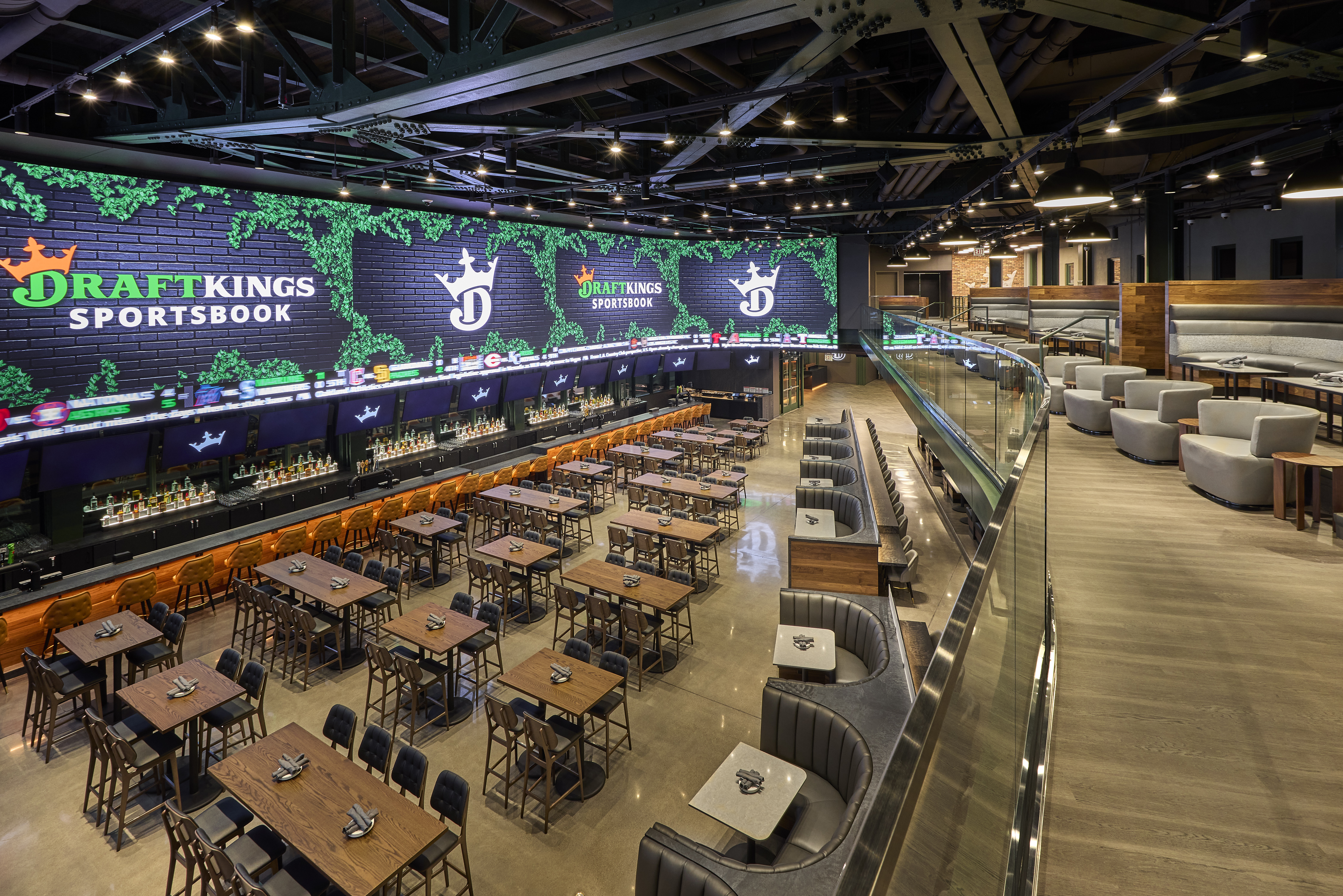
Some bettors liked the social side of retail books. They wanted the giant screens, lounge setup, and shared game-day atmosphere. That is real value, even if it does not always show up cleanly in sportsbook margins. But if that experience does not drive enough betting or ancillary spending, operators will move on.
Does this mean stadium sportsbooks are a bad bet?
Not automatically. But it does mean the market needs a reset. Operators, teams, and venue owners should stop assuming every sports-adjacent space deserves a betting lounge. Some locations can work. Others were built on branding logic more than customer logic.
Here is a smarter way to judge a retail sportsbook:
- Is it easy to access without a game ticket?
- Does it serve customers year-round, not just on event days?
- Can it create food, beverage, and watch-party revenue alongside betting?
- Does it offer something a mobile app cannot?
If the answer is no on most of those points, the economics get shaky fast.
That is the real lesson from the DraftKings Wrigley Field sportsbook story. The venue has to function as more than a billboard.
What this says about the wider U.S. sports betting market
The U.S. betting business is maturing. Early expansion was full of land grabs, giant promos, and flashy partnerships. Now the tone is different. Operators are looking harder at retention, product quality, tax exposure, and sustainable revenue.
That shift affects more than one Chicago location. It touches every category across the industry, from media partnerships to retail design to market access deals. The companies that win the next phase will probably be the ones that spend less time chasing optics and more time fixing product friction.
But there is another angle here (and it matters). Retail books still have a role when they anchor a broader entertainment setup. Las Vegas has proved that for years, though that model depends on tourism patterns and scale that many local stadium venues cannot match. Copying the look is easy. Copying the economics is hard.
Questions teams and operators should ask next
If you run a venue partnership, this closure should force a tougher internal review.
- Are fans using the sportsbook for betting, or mostly for novelty and hospitality?
- Is the space productive on non-game days?
- Would a smaller betting footprint work better than a full retail operation?
- Could the area generate more value as a premium bar, club, or event space?
Those are not glamorous questions. They are the right ones.
Where the retail betting model goes from here
The likely path is smaller, leaner, and more selective. Expect operators to back locations with clear year-round demand and avoid spaces that look impressive but struggle to convert traffic into betting revenue. Hybrid setups may also make more sense, with hospitality first and wagering as a secondary feature.
For readers watching the business side of gambling, the DraftKings Wrigley Field sportsbook closure is a useful reality check. The industry does not need more trophy venues. It needs venues that people actually use in ways that pay off.
And if one of baseball’s most recognizable settings cannot make the formula click, how many other stadium sportsbooks are due for the same hard look?