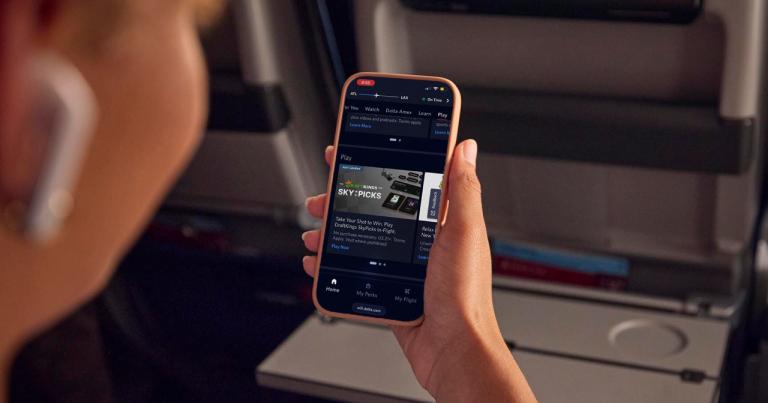
DraftKings Delta SkyPicks and the New Top-of-Funnel Play
Sports betting brands keep chasing the same problem. They want more users, but the easy win days are gone. Paid traffic costs more. App stores are crowded. And casual fans are harder to pull into a sportsbook funnel than they were a few years ago. That is why DraftKings Delta SkyPicks matters. It is not a flashy product launch for the sake of hype. It is a cleaner way to reach travelers, airline customers, and people who may never have searched for a sportsbook on their own. The move shows where the market is headed now. Not deeper into raw acquisition spend, but into partner-led entry points that feel native to the consumer. Why fight for attention at the bottom of the funnel when you can meet people earlier?
What DraftKings Delta SkyPicks changes
- It widens the audience beyond core bettors and into casual sports fans.
- It uses a travel environment where attention is already captive.
- It gives DraftKings another route to acquire users without relying only on standard ads.
- It signals a broader shift toward distribution partnerships, not just media buying.
Why top-of-funnel is the real prize
For years, sportsbook operators treated acquisition like a race to the checkout line. That approach got expensive fast. Once every major brand buys the same keywords, the same app ads, and the same affiliate placements, margins get squeezed. Top-of-funnel plays like DraftKings Delta SkyPicks work differently. They create awareness before a user has a firm betting intent.
Think of it like opening a coffee shop inside a train station instead of across town. You are not waiting for people to plan a visit. You are meeting them where they already are. That matters in betting, where brand familiarity often decides which app gets downloaded first.
The smart money is moving up the funnel. If you only buy users who are already shopping for a sportsbook, you end up paying premium rates for crowded attention.
How DraftKings Delta SkyPicks fits the wider market
DraftKings has spent years building beyond simple sportsbook ads. The company knows the value of cross-channel exposure, especially in states where betting is legal but competition is brutal. Delta gives it access to a customer base with time, screens, and travel habits that can support a lighter-touch introduction to betting content.
That does not mean every traveler becomes a bettor. Of course not. But it does mean DraftKings can plant a seed earlier than rivals that rely on standard app-store discovery or generic banner inventory.
Why airlines are useful distribution partners
- They have recurring attention. Travelers open apps, boards, emails, and in-flight systems more than once.
- They reach a broad demographic. That includes sports fans who may not be deep into betting yet.
- They offer a context shift. People in transit are more open to browsing, sampling, and exploring offers.
This is not a sportsbook version of a jackpot machine. It is a positioning move. And that distinction matters.
DraftKings Delta SkyPicks and the customer journey
Most sportsbook funnels are too narrow. They assume a person sees an ad, clicks, registers, deposits, and bets. Real behavior is messier. People compare brands. They delay. They need a reason to trust the app before they install it.
DraftKings Delta SkyPicks helps at the earliest stage. It can introduce the brand in a setting that feels less transactional and more like a service add-on. That lowers friction. It also gives DraftKings a chance to frame itself as part of a broader entertainment ecosystem, not only a betting operator.
That is a subtle shift, but a seismic one for customer acquisition.
What operators should learn from this move
Other operators should read this as a warning, not a novelty. The old playbook of buying more ads and hoping for better conversion is thinning out. Partnerships, loyalty ecosystems, travel perks, media bundles, and connected content are becoming the real battleground.
Look, this is not about copying Delta. It is about understanding the logic behind the deal. If your brand only shows up at the point of wager, you are already late. If you can show up where people are planning, waiting, or killing time, you get a shot at mindshare before the market gets noisy.
- Build around trusted partners.
- Place the brand in non-betting contexts.
- Use repeated exposure, not one-off promos.
- Measure downstream conversion, not only click-through rates.
What to watch next for DraftKings Delta SkyPicks
The big question is whether this becomes a template or a one-off. If DraftKings can show that Delta-sourced exposure produces better lifetime value than standard paid traffic, expect more brands to copy the structure. If not, it will still matter as a proof point that the industry is willing to test distribution in places that once seemed off-limits.
Here is the real test. Will bettors respond to a sportsbook brand that meets them in a travel app, or will the offer feel like noise? The answer will tell us a lot about where top-of-funnel growth really lives now.
My bet: the next phase of sportsbook growth will look less like a media buying contest and more like a partnership arms race. Who gets there first?
Source-driven context
Legal Sports Report highlighted the broader top-of-funnel angle behind the DraftKings Delta SkyPicks deal, framing it as a reach play rather than a pure conversion push. That framing fits the market. The easy wins are gone, and the brands that win next will be the ones that earn attention before the bettor even starts shopping.