Colorado Gambling Revenue Tests Safety Rules
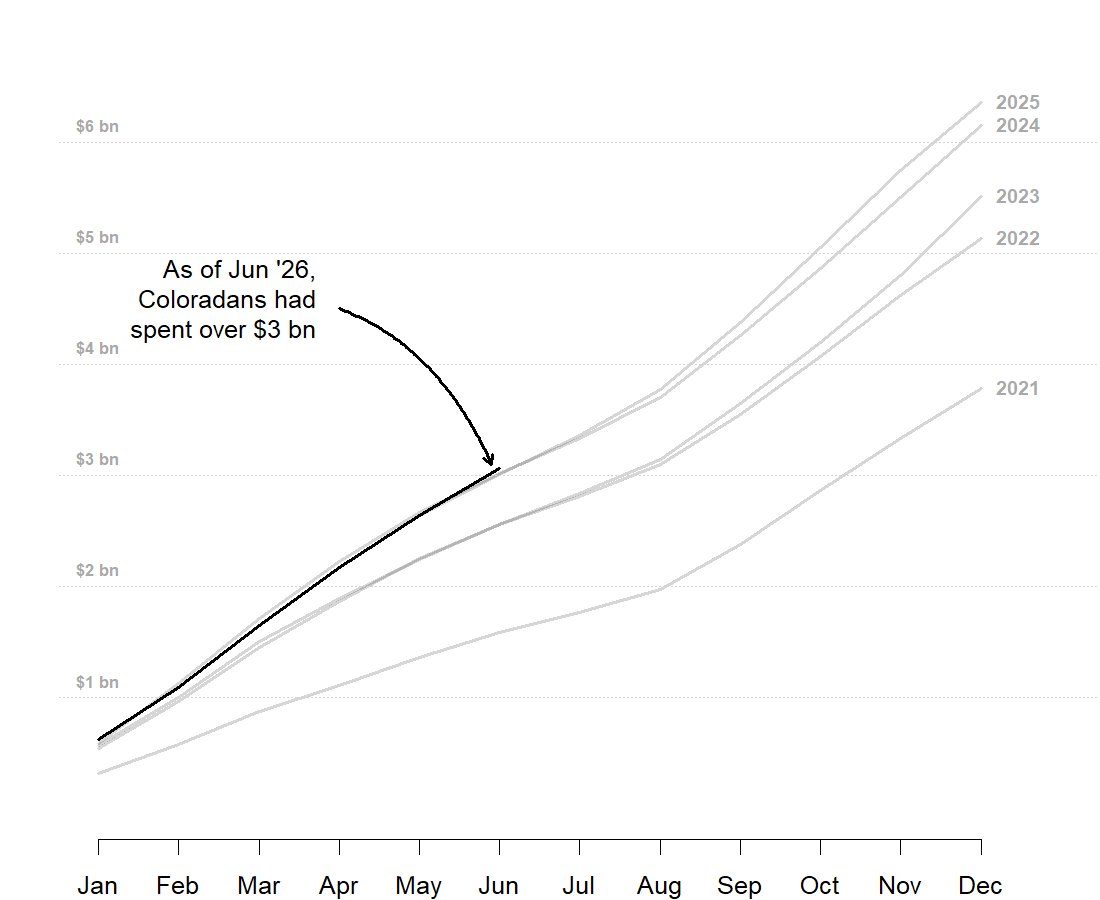
You can see the tension in Colorado gambling revenue right now. The money is flowing, the state is collecting, and operators have every reason to keep pushing. According to GamblingNews, the Colorado Division of Gaming has reported a record haul, which sounds like a clean win for public budgets and the legal market. But bigger betting numbers create a harder question for regulators. Is Colorado building a mature gambling market, or is it simply getting better at monetizing risk? That matters now because sports betting, casino play, and mobile accounts have made wagering easier than it was even five years ago. A healthy market needs tax receipts, yes. It also needs guardrails that work before players hit the edge.
What Colorado should watch next
- Record revenue is not the same as a safe market. Tax receipts show scale, not player health.
- Mobile betting changes the risk profile. A casino has walls. A phone does not.
- Responsible gambling funding should rise with market growth. Static prevention budgets age badly.
- Regulators need better public reporting. Handle, revenue, complaints, exclusions, and treatment demand all tell different stories.
Why Colorado gambling revenue is drawing scrutiny
Colorado has become one of the more active gambling markets in the American West. The state has retail casinos in Black Hawk, Central City, and Cripple Creek, plus legal online sports betting that went live in 2020. That combination gives regulators a wide job. They oversee old casino floors and phone-based betting apps at the same time.
The record haul reported by the Colorado Division of Gaming should not shock anyone who has followed the sector. Legal sports betting markets often expand fast after launch, then settle into heavier promotional cycles around the NFL, NBA, March Madness, and local teams. Colorado also has a sports culture that gives bookmakers plenty to sell, from the Broncos and Nuggets to college football and hockey.
Still, the safety question is fair. Gambling growth can look tidy in a spreadsheet while creating messy problems at household level. That is where regulators earn their pay.
Revenue tells you how much the market captured. It does not tell you who could afford to lose, who chased losses, or who needed help and never asked for it.
Colorado gambling revenue needs context, not applause
Look, state revenue matters. Legal gambling can move money away from offshore sites and toward taxed, monitored operators. Colorado also directs sports betting tax revenue toward state water projects, which gives the model a public benefit that is easy to explain to voters.
But there is a trap here. Once public programs depend on gambling receipts, political pressure can tilt toward expansion. More apps. More advertising. More bet types. More “engagement.” That word often means more time spent wagering.
A mature regulator has to hold two thoughts at once.
- Legal gambling is better than a black market with no consumer protections.
- A legal market can still harm people if speed, access, and promotion outrun safeguards.
That balance is the whole ballgame. Think of it like stadium design. You want fans close to the action, but you still need exits, railings, lighting, and trained staff. The fun part only works because the boring safety parts are non-negotiable.
What safer gambling should look like in Colorado
Colorado already has tools that matter, including licensing rules, operator oversight, and responsible gambling requirements. The next step is making those tools sharper and easier to measure. A checkbox approach will not cut it in a market where a bettor can place wagers from a couch at midnight.
1. Tie safety spending to market size
If betting revenue rises, funding for prevention and treatment should not sit still. The National Council on Problem Gambling has long argued that problem gambling services are underfunded across the United States compared with the scale of legal wagering. Colorado should avoid that mistake.
A simple model would help. Set a minimum responsible gambling contribution tied to gross gaming revenue or tax receipts. That gives treatment providers a planning base and prevents safety budgets from becoming an afterthought during boom years.
2. Publish more useful data
Handle and revenue are useful, but they are not enough. Regulators should publish regular data on self-exclusion activity, complaint categories, enforcement actions, responsible gambling interventions, and calls or referrals to support services where privacy rules allow aggregated reporting.
Why does this matter? Because a market can grow while hiding stress signals. If self-exclusion requests rise, if complaints cluster around withdrawals, or if helpline demand spikes during football season, policymakers need to see it early.
3. Pressure-test advertising rules
Sports betting advertising has cooled from the loudest days after legalization, but the incentives remain aggressive. Operators still fight for wallet share during peak sports periods. Bonus offers, odds boosts, and risk-free language can confuse players if the terms are buried.
Colorado should keep reviewing ad standards, especially around college campuses, social media, and affiliate marketing. Promotions should be clear, age-gated, and honest about wagering requirements. Plain language helps everyone, including casual bettors who do not read fine print for sport.
4. Make account controls easier to use
Deposit limits, time-outs, reality checks, and self-exclusion tools should be visible inside betting apps. They should not be hidden three menus deep. Good product design can reduce harm, but only if operators treat safety features like core account tools rather than compliance clutter.
Here is the thing. If a sportsbook can make a same-game parlay feel effortless, it can make a cooling-off period easy to find.
The operator problem behind record gambling revenue
Operators will say they support responsible gambling. Many do, at least on paper. The harder test is whether they accept friction that may reduce revenue from high-risk play.
That is where Colorado should be firm. Regulators should look closely at VIP programs, bonus targeting, and markers of harmful behavior. A customer who deposits repeatedly in short bursts, plays through the night, and reverses withdrawals is not a normal retention opportunity. That is a red flag.
Some jurisdictions outside the United States have pushed affordability checks and tighter intervention duties. The U.S. market is not there yet, and Colorado does not need to copy every foreign rule. But it should borrow the practical idea that operators know far more about player behavior than regulators do. With that knowledge comes responsibility.
What bettors should do right now
You do not need to wait for a rule change to protect yourself. If you bet in Colorado, treat gambling as paid entertainment. Set the cost before the game starts, then stop when the budget is gone.
- Set deposit limits before major sports weekends.
- Avoid betting on credit or with money needed for bills.
- Do not chase losses after live bets or parlays miss.
- Use time-outs if betting starts to feel automatic.
- Call or text 1-800-GAMBLER if gambling feels hard to control.
Honestly, the best bettors I have met are boring about money. They track it. They cap it. They leave when the number says leave.
Where Colorado goes from here
Colorado gambling revenue will keep attracting attention as long as legal betting remains convenient and culturally visible. The state does not need panic. It needs discipline. Stronger public reporting, better-funded treatment, cleaner advertising, and real operator accountability would make the market more durable.
The record haul is a signal, not a victory lap.
If Colorado wants to be seen as a serious gambling state, the next record should not only be revenue. It should be proof that growth and player protection can move together.