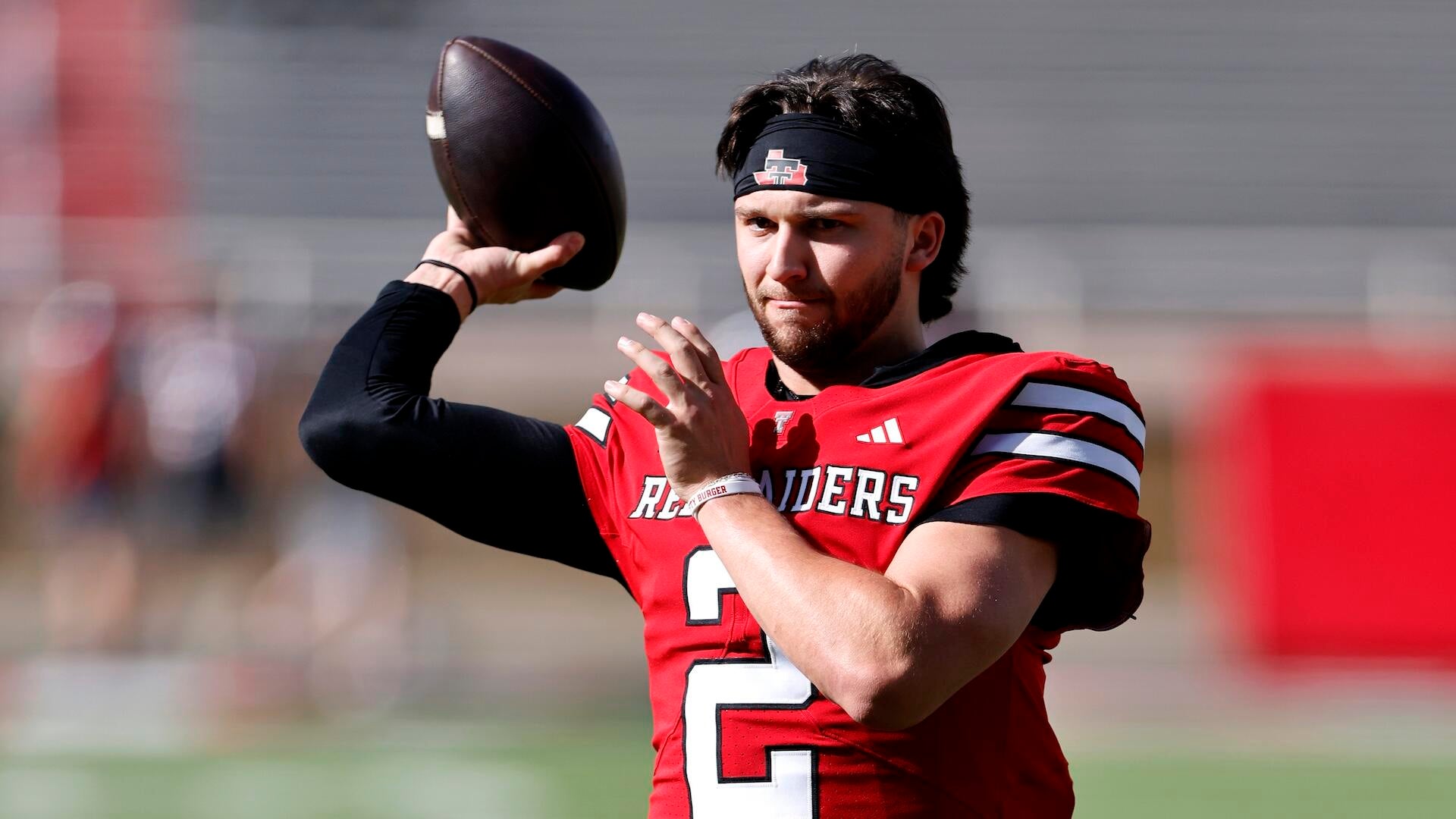
Brendan Sorsby Gambling Documentary Shows College Betting’s Human Cost
College athletes now play in a market where every throw, snap, and stat can sit inside someone’s betting slip. That is why the Brendan Sorsby gambling documentary story matters beyond one quarterback or one program. According to the San Antonio Express-News, Sorsby’s experience has surfaced through a Texas Tech-related documentary angle that puts gambling pressure back in the spotlight. The bigger issue is clear. Legal sports betting has grown fast, but athlete protection has not kept pace. Fans can bet from a phone in seconds, then send anger directly to players after a bad beat. For college athletes, many of whom are still young and highly visible, that can turn a normal game mistake into abuse. And honestly, the industry has been too slow to treat that as a product safety problem.
Why This Story Matters
- College players are easier targets because they are public, young, and active on social media.
- Micro-betting raises the heat by turning routine plays into wagered events.
- Schools need clear reporting channels for betting-related harassment and suspicious contact.
- Sportsbooks benefit from college betting, so they should help fund athlete protection.
What the Brendan Sorsby Gambling Documentary Story Signals
The Brendan Sorsby gambling documentary discussion lands at a tense moment for college sports. Betting is legal in many U.S. states, media companies sell odds content, and broadcasts often treat point spreads as part of the furniture. Yet the people on the field carry the personal risk when bettors lose money.
Sorsby’s name draws attention because quarterbacks already sit under a microscope. Every interception has context. Was the receiver open? Did the line miss a block? Did the play call make sense? Bettors often skip that context and go straight to blame.
Legal betting did not create angry fans, but it gave some fans a financial reason to make that anger personal.
That distinction matters. The problem is not that adults can legally place wagers. The problem is a system that treats betting engagement as revenue while treating athlete harassment as an afterthought.
Why College Sports Betting Harassment Feels Different
Professional athletes face betting abuse too, but college athletes sit in a different position. They may have name, image, and likeness income now, but most do not have the security staff, union backing, or career earnings of pro players. Some are teenagers. Many still walk across campus every day.
What happens when a student-athlete checks a phone after class and sees threats tied to a missed prop bet?
That is not normal fandom.
The NCAA has warned about harassment connected to sports betting, and several integrity firms have tracked abusive messages aimed at athletes and officials. The pattern is familiar. A bettor loses. A player gets blamed. Social media makes contact instant. The whole thing is as predictable as a bad recipe with too much salt. You can see the result coming before the dish hits the table.
How Micro-Betting Makes the Pressure Sharper
Older sports betting centered on outcomes like the final score, the point spread, or the total. Those wagers still matter, but newer products can slice games into smaller pieces. Player props, drive results, quarter bets, and live markets put a price on moments that used to pass without much notice.
That creates a strange dynamic for college athletes. A quarterback can make the right football decision and still anger bettors who needed a different stat. A running back can slide to protect a win and cost someone a prop. A coach can empty the bench, which is normal, and trigger thousands of losing wagers.
What schools should track
- Direct messages that mention bets, odds, spreads, or props.
- Repeated contact from accounts tied to gambling complaints.
- Attempts to get inside information from players, trainers, student managers, or roommates.
- Harassment that spikes after specific betting outcomes.
- Unusual attention around injuries, depth charts, or travel plans.
Look, this is not only a conduct issue. It is a data issue. Schools need to know what is happening, when it happens, and whether the pattern points to one angry bettor or something more serious.
Brendan Sorsby Gambling Documentary Coverage Should Push Policy
The Brendan Sorsby gambling documentary angle should not fade as another one-day sports media clip. It should push athletic departments, conferences, regulators, and sportsbook operators toward practical steps.
Here is where I would start after years of covering technology platforms that scale first and clean up later:
- Create a single reporting tool. Athletes should not have to guess whether to tell a coach, compliance officer, campus police, or the conference.
- Preserve evidence fast. Screenshots, account URLs, timestamps, and message text should be logged before posts disappear.
- Share threat data with integrity monitors. Abuse and suspicious betting can overlap, even if most angry messages are only noise.
- Restrict college player props. Some states already limit them. More regulators should consider whether these markets create outsized risk for young athletes.
- Make sportsbooks accountable. If a customer threatens an athlete, that account should face review, suspension, or a permanent ban.
None of this requires a moral panic. It requires the same boring discipline that good security teams use. Identify the threat, reduce the attack surface, and respond fast.
The Role of Sportsbooks and Media Partners
Sportsbooks cannot claim surprise here. Their apps, promos, and affiliate networks helped make betting part of sports culture. If they profit from college markets, they should help pay for education, monitoring, and enforcement.
Media companies also need restraint. Odds segments can be useful for adults who bet, but broadcasts aimed at broad audiences should not turn every college athlete into a walking betting asset. There is a line between analysis and pressure. Sports media crosses it more often than it admits.
A better standard for coverage
Responsible coverage should explain risk, not just prices. If a network talks about a quarterback’s passing prop, it can also tell viewers that harassment tied to gambling is unacceptable and reportable. Small language changes matter because fans take cues from the way games are framed.
And yes, that may sound unfashionable in a business built on engagement. Too bad. Some guardrails are non-negotiable.
What Athletes and Families Can Do Now
Policy moves slowly, so players and families need practical habits now. The goal is not to hide from the public. The goal is to reduce exposure and keep records when something crosses the line.
- Limit open direct messages during the season.
- Use comment filters for betting terms, slurs, and threats.
- Report gambling-related contact to compliance staff, even if it seems minor.
- Do not respond to angry bettors. Save the message instead.
- Tell roommates and friends not to share injury, travel, or lineup information.
Parents should also know who handles betting integrity at the school. Ask during recruiting. If a program has polished facilities but no clear answer on athlete harassment, that tells you something.
What Comes Next for College Betting
The Brendan Sorsby story is another reminder that college sports betting is no longer a side conversation. It is part of the operating environment for athletes, coaches, schools, and media partners. The next phase should be less about flashy odds integrations and more about accountability.
Regulators can tighten risky markets. Schools can improve reporting. Sportsbooks can remove abusive customers. Broadcasters can stop treating every player prop like harmless banter. None of those steps will end bad behavior, but they would make the system less reckless.
The smart move is simple. If college sports wants betting money, it has to protect the students who make those markets possible.