Brazil Tightens Rules to Fight Illegal Betting Market
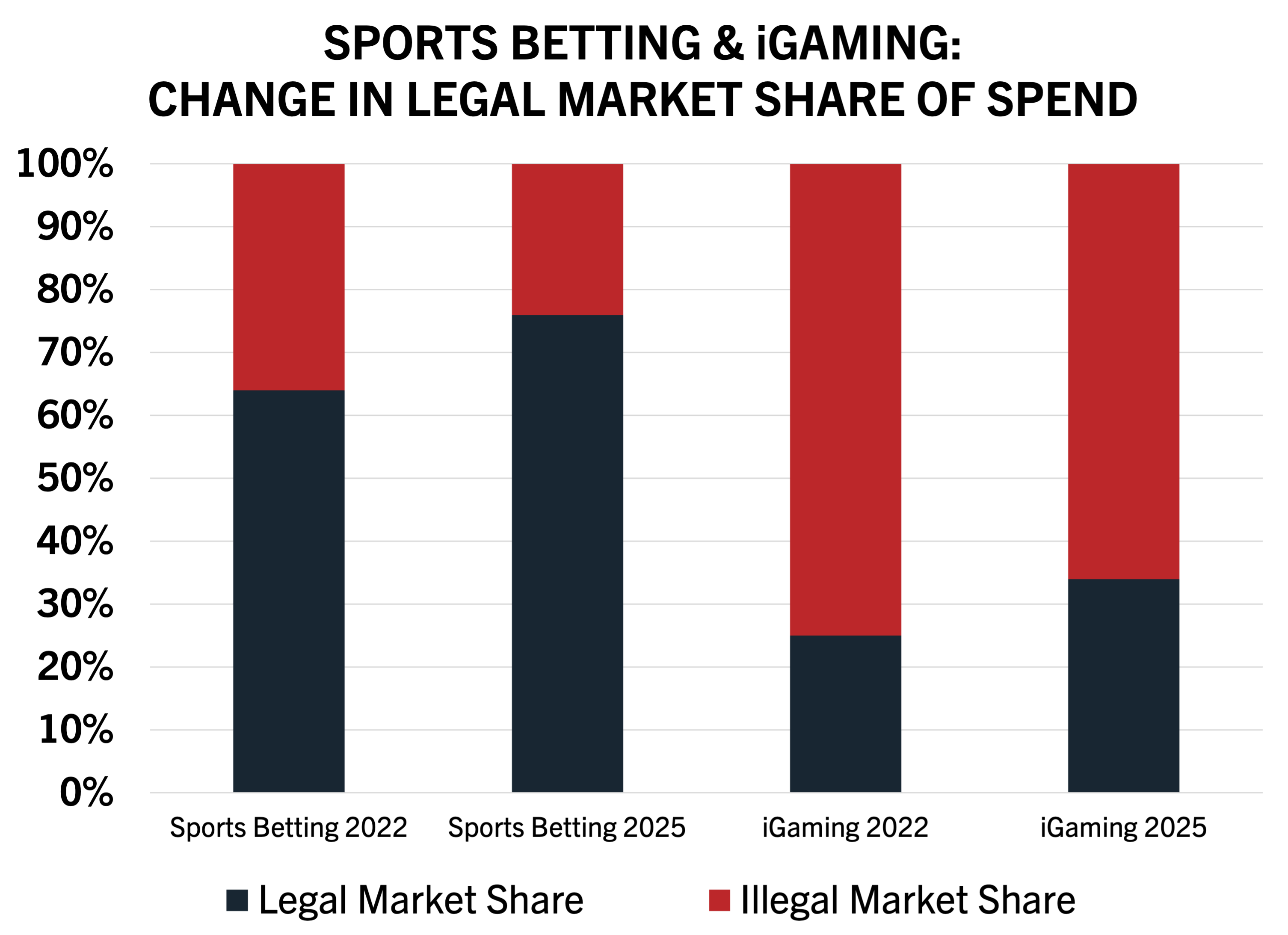
Brazil’s illegal betting market is now getting a much harder squeeze. That matters because the country is one of the biggest growth stories in global wagering, and any gap between licensed and unlicensed operators gives bad actors room to move. The new enforcement push is aimed at the places where illegal sites actually live, which means payments, advertising, and access points. That is where the pain lands first. If you run a regulated business, work with affiliates, or buy media in Brazil, you cannot treat this as background noise. The rules are getting sharper, and the market is moving fast. Who gets pushed out, and who adapts cleanly?
What Brazil is trying to change
Brazil is building new mechanisms to make illegal betting harder to find, harder to fund, and harder to promote. That is the right target. Blocking a domain alone rarely solves the problem, because offshore brands can swap URLs faster than most regulators can file a memo.
The real pressure points are distribution and money flow. If an unlicensed operator cannot reach users through ads or process local payments, the funnel starts to dry up. That is the logic here, and it is the part the market should watch closest.
- Faster action on illegal betting domains and mirror sites.
- Closer scrutiny of payment channels used by unlicensed brands.
- More pressure on ad platforms and media partners.
- Better coordination between regulators and enforcement bodies.
Why the illegal betting market keeps surviving
The illegal betting market survives because it behaves like water finding cracks in a wall. Shut one route, and another opens. In Brazil, the scale of demand makes that problem bigger, not smaller.
Players often chase better odds, faster sign-up flows, or bonus offers that licensed operators cannot match. But the trade-off is real. Unlicensed sites offer weaker consumer protection, limited dispute handling, and more room for payment problems. And when money moves through opaque channels, the risk does not stay with the operator. It spreads.
The state can block a site. It can also pressure banks, ad networks, and processors. That combination is what usually changes behavior.
What licensed operators should do now
Licensed brands should treat this as an operational issue, not a policy headline. Compliance teams need to map their exposure across media, affiliates, and payments. Then they need to test where enforcement could hit first.
- Audit affiliate traffic for Brazil-specific placements that could overlap with gray-market promotion.
- Review payment partners for any weak links tied to offshore activity.
- Check ad copy, landing pages, and campaign targets for localization problems.
- Document escalation paths if a domain, creative, or partner gets flagged.
Look, this is not a theoretical exercise. If your Brazilian funnel depends on sloppy partners, you are already exposed.
Brazil illegal betting market and affiliate risk
Affiliates are often the soft underbelly of enforcement. They move quickly, recycle content, and sometimes chase revenue without much regard for local rules. That makes them useful, and dangerous.
Ask a simple question. Would you be comfortable defending every traffic source if a regulator asked for the chain from ad impression to deposit? If the answer is no, fix the chain now. Waiting for a notice is a bad strategy.
Why payment controls matter more than headlines
Payment controls are where enforcement can become seismic. A site can survive a branding problem. It struggles when users cannot move money in and out cleanly.
Brazil’s regulators know this. That is why any new anti-illegal betting system that ignores processors, fintechs, and local rails will be too weak to matter. The smartest approach is boring and effective. Monitor, block, report, repeat. Think of it like building a stadium security plan. Closing one gate does nothing if three side doors stay open.
What to watch next in Brazil illegal betting market enforcement
The next phase will likely show whether Brazil can keep pressure on the illegal betting market without slowing legitimate growth. That balance is non-negotiable. Overreach can push players into worse channels. Underreach leaves the licensed market fighting with one hand tied behind its back.
For now, the signal is clear. Brazil wants to make illegal operations expensive to run and hard to scale. That is the right move, and it will force every operator with Brazilian exposure to tighten controls fast. The question is not whether enforcement will continue. The question is whether the market will clean itself up before the next wave of rules lands.
Practical next step: review your Brazil partners, payment routes, and ad inventory this week, not next month.