Bally’s Las Vegas Update: What the Latest Plan Really Means
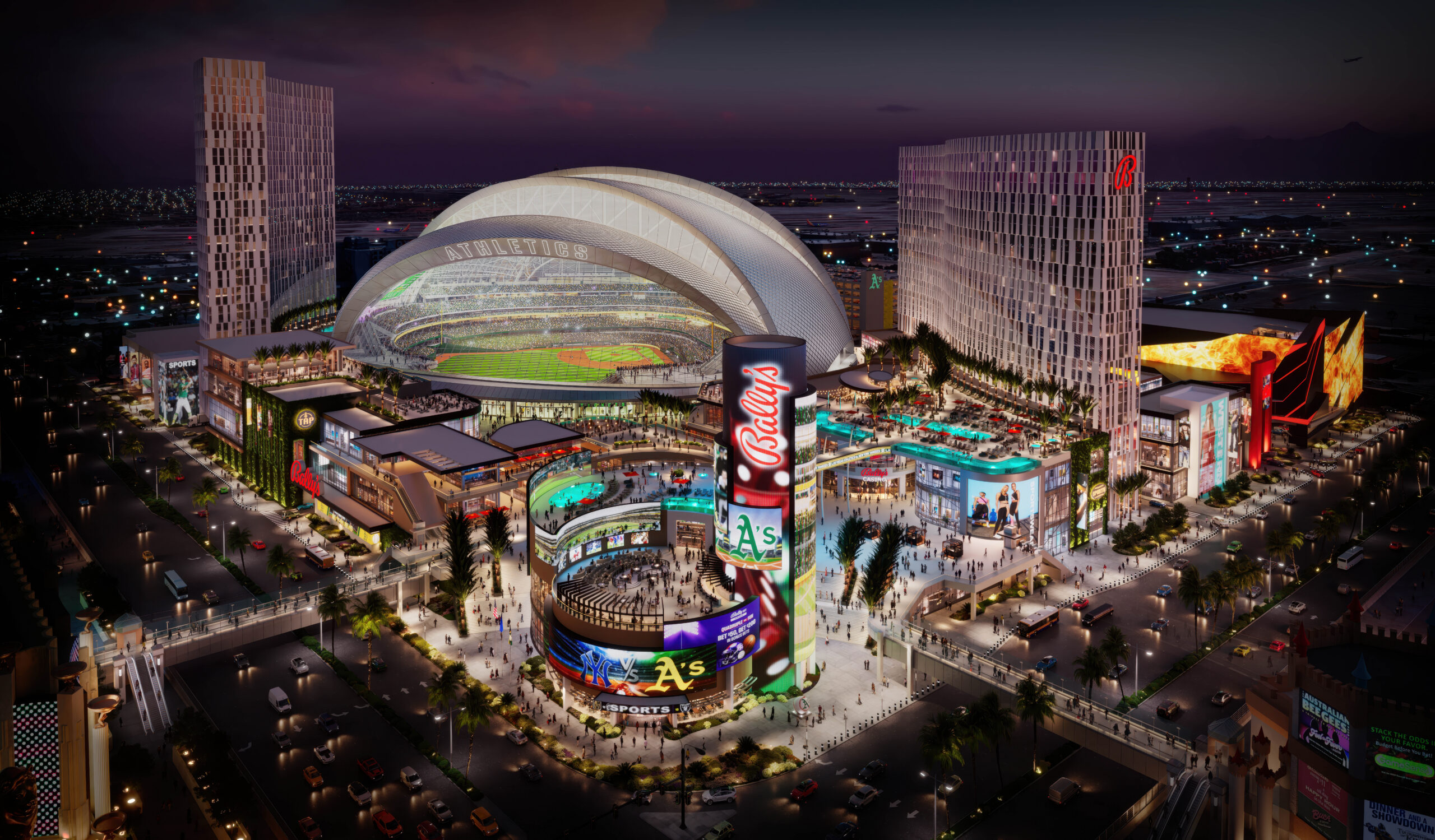
The Bally’s Las Vegas update matters because this project sits at the point where real estate, sports, and casino strategy collide. If you follow the Strip, you already know the pitch has shifted from vague ambition to a more concrete development story. That changes how people should read the timeline, the financing questions, and the pressure on nearby infrastructure. It also changes the conversation around the Athletics’ planned ballpark site, which remains tied to this corner of Las Vegas in a way that keeps investors, operators, and local officials watching every move. If you care about Las Vegas development, this is not a side story.
The real question is simple. Is Bally’s building a useful destination, or just stacking another glossy promise on top of a crowded market? The answer will depend on execution, not slogans.
What the Bally’s Las Vegas update says about the project
- The site still matters strategically. Bally’s controls a prime Strip location with long-term development value.
- The project is tied to sports and tourism demand. That mix can help, but it also raises the bar.
- Timing remains a real risk. Large Las Vegas projects often slip when design, permitting, and financing lines get messy.
- Nearby plans shape the upside. Anything linked to the Athletics ballpark or surrounding district changes the business case.
Why the Bally’s Las Vegas update matters now
Las Vegas has become a test case for mixed-use casino development. The old formula was simple. Build a casino, add a hotel tower, and wait for the traffic. That playbook still exists, but it is no longer enough on the Strip, where visitors expect more than slots and a lobby bar.
Developers now need entertainment, dining, event traffic, and a reason for people to stay longer. Bally’s is trying to position its Las Vegas site inside that bigger formula. The problem is that the market already has plenty of loud promises. What it lacks is patience.
The Strip does not reward vague plans. It rewards projects that can survive delays, cost pressure, and a brutal comparison to everything else next door.
Bally’s Las Vegas update and the sports district question
This is where the story gets more interesting. The Bally’s property has long been discussed in the shadow of the Athletics’ planned ballpark development, and that connection changes the entire tone of the project. A standalone casino resort can be judged on its own traffic. A district project has to work like a neighborhood. That is a very different job.
Think of it like building a stadium offense. You do not just need one star hitter. You need the whole lineup to reach base. Bally’s needs hotel demand, foot traffic, event attendance, and transportation flow to line up at the same time.
And that is before you get to the basic stuff like access, parking, and the actual pace of construction. Strip projects live or die on coordination.
What could go right
If Bally’s gets the mix right, the site could become a strong anchor for west Strip growth. It has location, visibility, and a built-in brand advantage. Add the right entertainment draw and the property can pull in visitors who might otherwise stay closer to the center Strip.
That would not be a small win. It could reshape how that side of Las Vegas competes for convention spillover and game-day traffic.
What could go wrong
The risks are just as plain. Construction costs can climb. Financing can get tighter. Public scrutiny can increase if traffic plans look thin or if timelines keep moving. And if the surrounding district does not develop as expected, the core casino-resort case gets weaker.
That is the hard truth. A good address does not guarantee a good project.
What operators and investors should watch in the Bally’s Las Vegas update
- Permitting progress. This tells you whether the project is moving from talk to actual build activity.
- Capital structure. Watch how much money is committed, and on what terms.
- District coordination. If the ballpark or nearby parcels stall, Bally’s may have to adjust its assumptions.
- Tourism demand trends. Las Vegas still depends on visitor volume, convention calendars, and event schedules.
- Competitive response. Other Strip operators will not sit still if this corner starts gaining momentum.
What the Bally’s Las Vegas update means for the Strip
The broader lesson is bigger than one property. Las Vegas is entering a phase where land use, entertainment, and sports are getting bundled together more often. That can work, but only if the operators stop talking like dreamers and start acting like builders.
Here’s the thing. The market is full of projects that sound impressive in a press release and thin in practice. Bally’s has a chance to avoid that trap, but it needs discipline, not hype. The real test is whether the company can turn a high-profile site into something people actually use year after year.
So watch the next update closely. Does it bring hard milestones, or just another polished promise?
What happens next for Bally’s Las Vegas update
The next phase should tell you whether Bally’s is serious about speed, scale, and coordination. If the company keeps publishing clear milestones and sticks to them, confidence will build. If not, the market will price in doubt fast.
For now, the smarter read is cautious. The site is too valuable to ignore, and the opportunity is real. But Las Vegas has seen enough big ideas to know that land alone does not make a winner. Execution does.