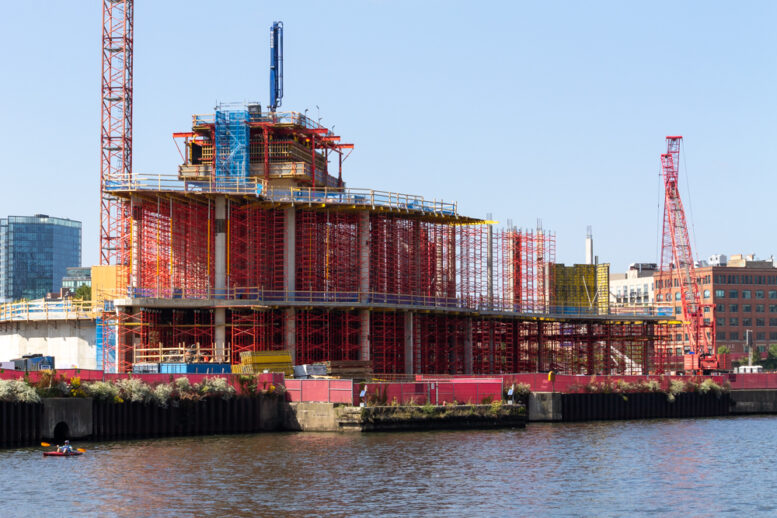
Bally’s Chicago Construction Questions Grow Ahead of April 2026
Talk around Bally’s Chicago construction is getting sharper because deadlines have a way of exposing weak spots. The project is supposed to move from ambition to hard reality by April 2026, and that leaves little room for drift, delay, or vague promises. For Chicago, this is not just a single casino build. It is a test of whether a flagship gaming project can stay on schedule, hold public confidence, and satisfy regulators while the site work keeps moving. If the timeline slips, the pressure will not stay local. It will ripple through financing, staffing, and the wider case for the project itself. And that is why the current questions matter now.
What the Bally’s Chicago construction debate is really about
- Schedule risk: The closer a project gets to a fixed opening window, the less room there is for construction slippage.
- Delivery confidence: Investors, city officials, and regulators all want proof that the plan is still on track.
- Public trust: Big casino projects live or die on credibility, especially when they use public land or depend on city support.
- Operational readiness: A site can look active and still miss the real test, which is whether the property is ready to open and run.
Why the April 2026 deadline matters
Deadlines shape behavior. They force decisions on contractors, procurement, and sequencing, which is why April 2026 has become such a useful pressure point for Bally’s Chicago construction. When a project has a visible date attached to it, every missed milestone starts to look larger than it would on a looser timeline.
The gamble here is simple. If progress is steady, the deadline becomes a sign of discipline. If progress stalls, the same date turns into a public measure of doubt. That is the ugly side of major development work. A casino site is a bit like a sports team with a packed schedule. You can hide problems in preseason. Not once the games start.
“A fixed opening target is only helpful if the build plan can survive real-world friction.”
Bally’s Chicago construction and the pressure points
Most large casino builds run into the same handful of problems. Labor availability, utility work, permitting, supply timing, and weather can all slow a project without much warning. Bally’s Chicago construction is no different, even if the brand name draws more attention than a typical commercial site.
Labor and sequencing
If one trade falls behind, the rest of the site can get jammed up. Concrete, steel, interiors, and systems work all depend on clean handoffs. That is why project managers obsess over sequencing. It is not glamorous. It is non-negotiable.
Permitting and oversight
Casino projects bring heavier oversight than many private developments. Local agencies, gaming regulators, and city staff can all have a say. That is healthy, but it also means more moving parts. More reviews mean more chances for delay.
Financing discipline
Construction questions are rarely just about cranes and scaffolding. They usually point to money. A project of this scale needs stable backing, predictable drawdowns, and enough headroom to absorb surprises. If that confidence cracks, everything else gets harder.
What the city and Bally’s need to show next
People do not need polished language. They need visible progress. For Bally’s Chicago construction, the next phase has to answer a few plain questions:
- Is the build pace consistent with the April 2026 target?
- Are contractors meeting the critical path, or are they slipping on key milestones?
- Can Bally’s keep the financing and vendor pipeline stable through the rest of the work?
- Will city officials get enough transparency to judge the project honestly?
That list is boring on purpose. Real development lives in the boring details. The glossy renderings are the easy part.
Look, no one expects a mega-project to run like clockwork. But the public has every right to ask whether the current plan still makes sense. If the answer is yes, the team should be able to show it with dates, site progress, and concrete milestones (not just optimism dressed up as confidence).
What Bally’s Chicago construction means for the wider market
This project matters beyond Chicago because it sits inside a broader pattern. Cities want the tax base and jobs that casinos can bring. Operators want long-term value and brand reach. Regulators want proof that promised development can actually happen. Bally’s Chicago construction sits at the intersection of all three.
If the project lands cleanly, it becomes a strong example of a city-backed casino plan moving from proposal to operation. If it slips, the story changes fast. Timelines start to look soft. Cost assumptions get questioned. And future projects may face tougher scrutiny from officials who have seen this movie before.
Why the next few months will tell the story
The smartest read on Bally’s Chicago construction is not to overreact to every headline. It is to watch for sustained, measurable progress. A single burst of activity does not settle the argument. Neither does a press release. What matters is whether the project keeps clearing the kind of milestones that make an April 2026 opening believable.
Will the site keep moving fast enough to silence the doubts, or will the calendar win first?