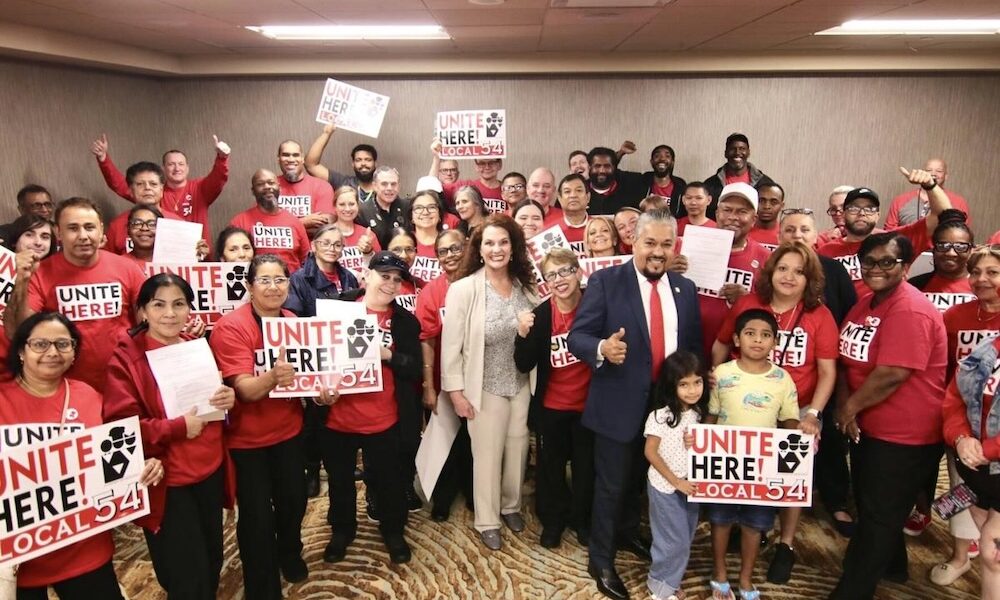
Atlantic City Union Deals Raise Stakes as NYC Competition Grows
Atlantic City casinos have spent years managing tight margins, labor tension, and a market that never stops testing patience. Now the Atlantic City union deals are mostly locked in, and that changes the tone going into a harder fight for customers, workers, and investor attention. The real issue is not just wages or benefits. It is timing. With New York City casino competition moving closer to reality, Atlantic City operators need stable labor relations before the next round of market pressure hits.
That matters because casino floors do not run on branding alone. They run on staffing, consistency, and labor peace. If you want to understand why these contracts matter, look at the order of events. First the deals get done. Then the market opens up. That sequence is no accident.
What the Atlantic City union deals change
- They reduce near-term labor risk for the major casino properties in Atlantic City.
- They give workers clearer pay and benefit terms during a period of market uncertainty.
- They help operators focus on competition instead of contract fights.
- They set a baseline for future negotiations if labor costs keep rising.
The practical effect is simple. Casinos can plan payroll, staffing, and service levels with less noise. That sounds boring. It is not. In a labor-heavy business, boring is usually the better option.
Stable labor terms are not a side issue in casino markets. They shape service quality, operating costs, and how much room management has to absorb new competition.
Why the timing matters now
New York City is the looming pressure point. Several operators want a piece of that market, and even before the first chips are on the felt, the threat changes behavior in nearby casino hubs. Atlantic City has to defend its base while watching for spillover effects from a much larger metro area.
Think of it like a football team fixing its offensive line before a brutal schedule starts. You do the hard work early, or you pay for it later. Atlantic City operators seem to understand that, which is why these labor agreements matter beyond the bargaining table.
Atlantic City union deals and the cost of staying competitive
Labor costs are not the only pressure point, but they are a big one. Atlantic City casinos already compete on promotions, amenities, and regional convenience. If New York draws more visitor spending and investor interest, New Jersey operators will need sharper pricing and better guest experience just to hold steady.
That puts management in a narrow lane. Raise pay enough to keep labor stable. Control costs enough to protect margins. And still find money for upgrades, marketing, and service improvements. Hard? Yes. Impossible? No, but only if operators avoid drama and keep the workforce aligned.
What workers are likely watching
- Wage growth that keeps up with living costs.
- Health and retirement benefits that feel dependable.
- Scheduling rules that make shifts more predictable.
- Job security if traffic softens when New York openings get closer.
Workers know the market is changing. So do their unions. The smart move is to lock in gains before the competitive field gets messier.
What operators should do next
The smart response is not more spin. It is execution. Atlantic City casinos need to treat the new agreements as a floor, not a finish line. If guest traffic weakens, the old habit is to squeeze labor first. That would be a mistake.
Better play: invest in service quality, trim waste elsewhere, and make sure labor savings do not come from the parts of the business that customers notice most. Front-of-house staffing, speed of service, and cleanliness matter more than glossy slogans.
And here is the key question: if New York finally pulls customers and capital north, which Atlantic City operators will have the discipline to respond without blowing up their own workforce?
What this says about the broader market
The Atlantic City union deals are a local story, but they point to a wider truth. Casino markets do not wait for perfect conditions. They move through labor, regulation, and competition all at once. Operators that settle disputes early buy themselves time. Operators that delay usually pay more later.
That is the real lesson here. Atlantic City is not just signing contracts. It is trying to buy stability before the next round of market pressure arrives. Whether that buys enough breathing room is the part worth watching.
The next test for Atlantic City
The next few months will show whether these deals give Atlantic City a cleaner runway or just a brief pause. If operators use the calm to improve service and protect margins, they may be ready for the New York squeeze. If not, the market will expose that fast. Very fast.
Watch the labor line first. Then watch the customer line. That is where the story will turn.