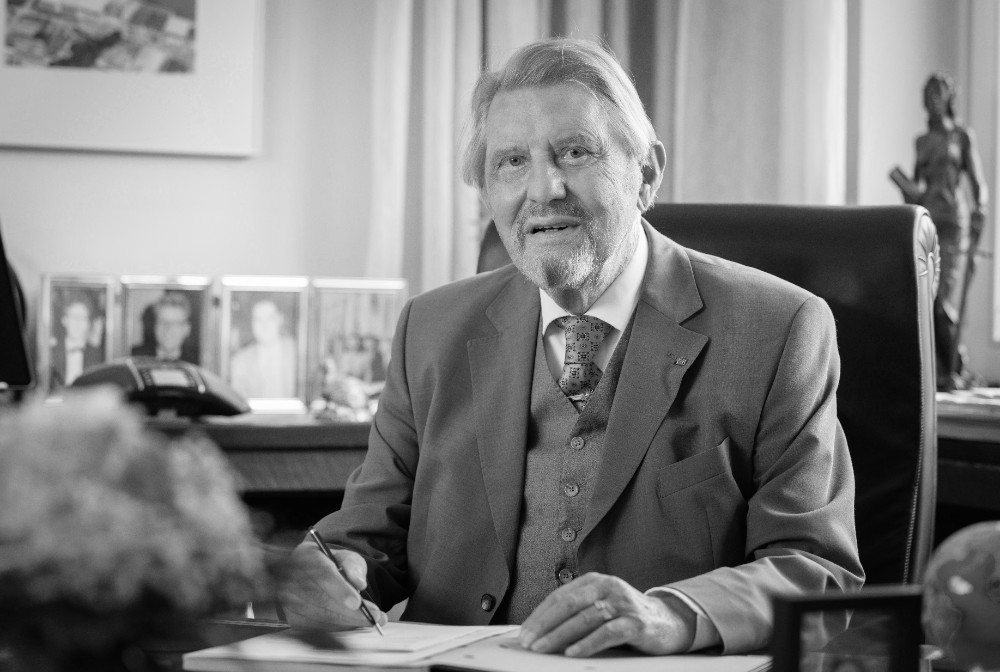
Paul Gauselmann Tribute: Merkur Group Founder Remembered
Paul Gauselmann changed the shape of the gaming machine business in Europe, and the Paul Gauselmann tribute that follows is about more than a name on a building. It is about a founder who built Merkur Group into a major force, then left a mark that still reaches across manufacturing, distribution, and regulated gaming markets. Why does that matter now? Because companies in this sector still live and die by product discipline, operator trust, and long-term execution. Gauselmann understood that early.
His career also speaks to a harder truth that many operators and suppliers ignore. A strong brand only lasts if the business underneath it is tight, consistent, and built to outlast one person. That is the real lesson here. And it is a useful one.
What stands out in the Paul Gauselmann tribute
- He built scale with focus. Merkur Group grew from a founder-led business into a recognizable international name.
- He treated product quality as a core asset. In gaming, that is not fluff. It is survival.
- He understood the operator side. Good machines and software mean little if venues cannot trust delivery, support, and performance.
- He shaped a company culture that outlived the founder era. That is rare in gaming and even rarer in manufacturing.
Paul Gauselmann tribute: why his legacy still matters
Gauselmann’s name is tied to Merkur Group, but his real legacy sits in how the company approached the market. He helped turn gaming equipment into a serious industrial business, not a side hustle for opportunists. That meant tighter product standards, stronger distribution, and a clear identity for the brand.
Look at the wider sector and the pattern is obvious. The companies that last are usually the ones that treat operations like a discipline, not a mood. Think of it like a kitchen running dinner service. If one station is sloppy, the whole room feels it. Gaming works the same way.
The strongest founder legacies are not built on personality alone. They are built on systems, habits, and people who can keep going when the founder is no longer in the room.
That is the part many tributes miss. They focus on biography and skip the operating model. But the operating model is the story.
What Merkur Group showed the industry
Merkur Group became known for more than one product line. The company also showed how a gaming business can combine manufacturing, technology, and venue relationships without losing its identity. That matters in a sector where many firms chase trend after trend and end up with little to show for it.
The company’s strength was not only in growth. It was in repetition. Build well. Ship reliably. Support the customer. Repeat. That sounds plain, but plain beats flashy when regulators, operators, and customers all want predictability (which they usually do).
A founder who valued continuity
Some executives talk about legacy. Gauselmann appears to have built for it. That means investing in people, giving the business enough structure to absorb change, and resisting the urge to make every decision about short-term optics.
Was it perfect? No company of that size is. But perfection was never the point. Durability was.
Why the Paul Gauselmann tribute lands beyond one company
The tribute also lands because it reflects a broader shift in gaming and adjacent sectors. The market no longer rewards only loud expansion. It rewards trust, compliance, technical reliability, and the ability to keep pace with regulation without losing commercial edge.
That is one reason founder stories remain useful. They show what kind of discipline built a company before it became a corporate machine. They also remind the rest of the market that size alone does not make a business durable. Structure does.
- Build a product that solves a real venue problem.
- Create service routines people can count on.
- Keep the brand consistent across markets.
- Let the company survive beyond the founder.
That list sounds simple. It is not. Most firms fail on at least one of those points.
What operators and suppliers can learn now
If you run a gaming business, the lesson is not to copy Merkur Group’s exact path. That would be lazy. The lesson is to build with the same kind of seriousness. Ask whether your business can still perform if the founder steps back tomorrow. Ask whether your product line helps operators make money, not just fill catalog pages.
Also ask whether your culture supports memory. Companies forget their own standards faster than they think. When that happens, quality slips, service slips, and the brand starts to look tired.
That is the real edge Gauselmann seemed to understand. Brand value is earned in the daily work, not in the press release.
A legacy that still sets the bar
Paul Gauselmann’s story belongs to the small group of founder stories that still mean something to the industry. Not because it is nostalgic, but because it is practical. The companies that matter most tend to leave behind methods, not just memories.
And that is the standard worth measuring against now. Who is building businesses that can hold up when the market gets rough?