Africa iGaming Regulation: Licenses, Taxes, and Market Entry
If you are chasing growth in Africa, you need to understand Africa iGaming regulation before you write a market plan or sign a local partner. The opportunity is real, but so are the traps. Licensing rules vary sharply by country, tax regimes can move fast, and payment access is often the part that decides whether a launch works at all.
That matters now because more regulators across the continent are tightening oversight while operators keep eyeing mobile-first audiences and rising betting demand. The result is a market that can reward discipline and punish shortcuts. A sloppy rollout can burn cash quickly. A clean one can build durable revenue. Which side you land on depends on the legal detail you are willing to respect.
What stands out in Africa iGaming regulation
- Country-by-country rules matter more than broad regional assumptions.
- Tax treatment can change the economics of a launch overnight.
- Local licenses are often required even if you already operate elsewhere.
- Payments and KYC shape user conversion as much as product quality.
Why Africa iGaming regulation is so uneven
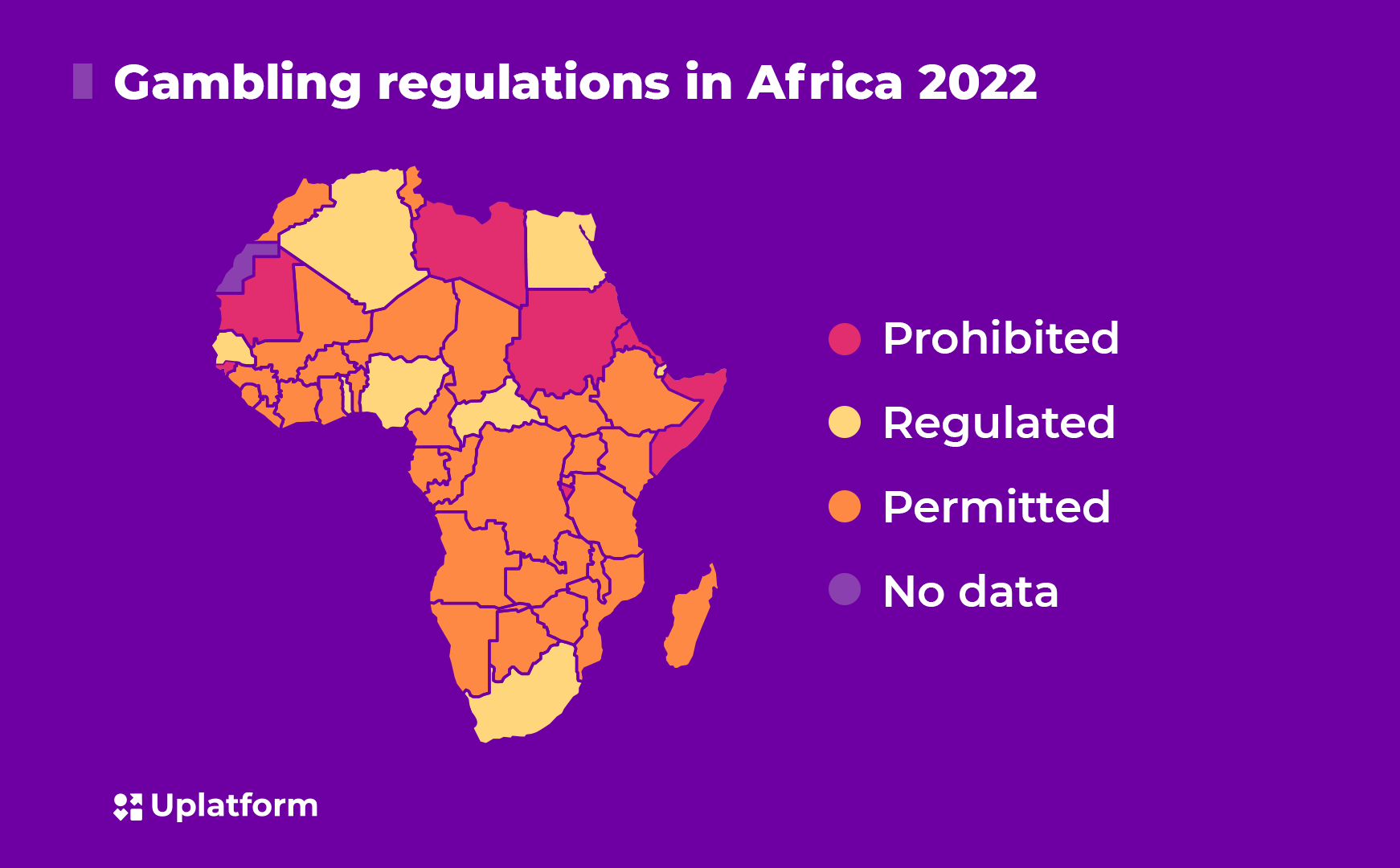
There is no single African gaming code. Kenya, South Africa, Nigeria, Ghana, Uganda, Tanzania, and other markets all run different models. Some use national frameworks. Others split authority between central and regional bodies. A few keep rules moving through frequent policy updates, which can catch operators off guard.
That unevenness is not a side issue. It shapes everything from market-entry timing to bonus policy, advertising, responsible gambling controls, and how fast you can move funds. Think of it like building in cities with different zoning rules. You would not use the same blueprint everywhere, and you should not do that here either.
“The first mistake is treating Africa as one market. The second is assuming yesterday’s approval still protects today’s launch.”
Where licensing pressure hits hardest
Licensing is usually the first real test. Many regulators want a local entity, local tax registration, local directors, or a local hosting arrangement. Some markets also expect operators to prove source of funds, technical compliance, and consumer protection controls before they can go live.
That means your legal work cannot sit in a spreadsheet until the end. It needs to sit beside product, finance, and payments from day one. Otherwise, you end up with a nice front end and a broken operating model.
What you should check before entering a market
- Who issues the license, and at what level of government.
- Whether remote gambling, sports betting, or casino products face different rules.
- What tax applies to gross gaming revenue, stakes, winnings, or turnover.
- Whether local servers, local bank accounts, or local staff are required.
- Which advertising channels are restricted, and at what hours.
Africa iGaming regulation and the tax question
Taxes can make or break the business case. In some countries, the headline rate looks manageable until you add levies, withholding, stamp duties, payment charges, and license fees. Then the margin gets thin fast. And if the tax is based on turnover rather than gross gaming revenue, the pressure can be brutal.
Regulators use tax policy for revenue, but operators feel it as friction. A market can look attractive on paper and still produce weak returns because the take rate is too high. That is why tax modeling is non-negotiable before launch, not after the first deposit lands.
Ask one question early. Can you still make the unit economics work if tax, compliance, and payment costs move up by a few points?
Payments, KYC, and the real launch bottleneck
People talk about regulation, but payments often decide the outcome. Mobile money, bank transfers, cards, and agent networks all play different roles across the continent. In many markets, user behavior is shaped by what they can fund quickly and trust immediately.
That is where KYC and AML controls become practical, not abstract. If verification is too heavy, conversion drops. If it is too loose, your risk profile spikes and your license can come under pressure. The smart move is to match verification depth to local risk and product type, then keep the process simple for low-risk users.
Look at it like a restaurant kitchen. The menu can be strong, but if the pass is slow, the whole room feels broken.
How to enter without wasting capital
Africa iGaming regulation rewards operators that move in stages. Start with one market, one license path, and one payment stack. Prove that the compliance model works before you scale the same template into a second country.
Here is the practical order I would follow:
- Map the regulator and confirm the exact license scope.
- Model taxes and fees with conservative assumptions.
- Test payments before the marketing budget starts.
- Build local compliance controls for KYC, AML, and responsible gambling.
- Document every change so you can show the regulator how the business is run.
And keep local counsel close. Not as a formality. As an operating tool.
What operators keep getting wrong
Too many teams assume a popular market is automatically a friendly market. It is not. Popularity can attract tighter scrutiny, more competition, and faster policy shifts. Others rely on offshore structures that look neat in a pitch deck but do not stand up to local licensing demands.
There is also a habit of treating compliance as a cost center that slows growth. That view is dated. In Africa, compliance is part of market access. If you cannot prove control, you may not get the chance to compete.
My take: the operators that win in Africa are usually the ones that accept the rules early, price them honestly, and stop pretending they can fix legal gaps after launch.
Where the market goes next
Expect more scrutiny, not less. Regulators want better tax collection, more visible ownership structures, and tighter consumer protection. That will create friction, but it will also reward serious operators who can show clean books, clean KYC, and clean local partnerships.
The upside is still there. Mobile adoption is deep, sports betting demand remains strong, and local payment rails keep improving. But growth will not come from speed alone. It will come from operators that treat Africa iGaming regulation as the product constraint that shapes everything else. Who is going to ignore that and still stay profitable?
Next step: before you pick a country, build a one-page market entry memo that covers licensing, tax, payments, and enforcement risk. If you cannot defend the numbers on that page, you are not ready to launch.