ADI PredictStreet Launches World Cup 2026 Prediction Market
Fans, operators, and media teams all want the same thing right now. They want a better way to turn anticipation around World Cup 2026 into engagement that lasts longer than a matchday scroll. That is why the new World Cup 2026 prediction market matters. It gives brands another way to frame conversation, test demand, and keep users active before the tournament starts.
Look, this is not a minor product launch. Prediction markets sit at the intersection of sports, pricing, and fan behavior, which makes them one of the sharpest tools in the box if you know how to use them. The appeal is simple. People already argue about outcomes, so why not build a structured product around those debates? The challenge is just as clear. You need trust, clarity, and a clean user experience, or the whole thing feels like noise.
What stands out in the World Cup 2026 prediction market
- It taps into a global event that already drives massive attention and early discussion.
- It creates pre-tournament engagement, not just matchday traffic.
- It gives operators and partners a data stream on what users think will happen.
- It shows how prediction products are moving closer to mainstream sports content.
Why the World Cup 2026 prediction market matters now
The timing is the point. World Cup buildup begins long before kickoff, and that long runway is where many sports products fail. They wait for the event to create demand. Smart operators do the opposite. They build a reason for people to keep coming back while the story is still forming.
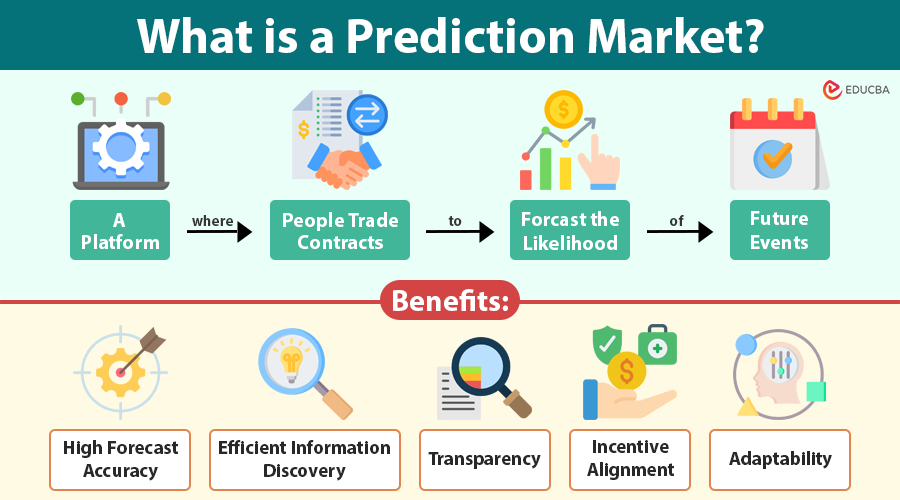
This is where prediction markets have an edge. They are part sportsbook, part content layer, part community hook. If you have covered this space for any length of time, you know how quickly a dead dashboard can kill a promising launch. A prediction market keeps a live question in front of the user. Who will win? Which team will overperform? Which player becomes the breakout name? Simple questions. Strong pull.
Prediction markets work best when they feel like a debate you can participate in, not a product you need to study.
How operators can use prediction markets without overcomplicating them
Here is the thing. The best launch strategy is usually the least crowded one. If you pile on too many categories, too many rules, or too much market jargon, people leave. The interface should feel closer to a tournament bracket than a trading terminal. Think of it like setting up a kitchen for a busy service. Every tool has to be where users expect it, or the whole thing slows down.
- Start with the biggest questions. Winner, group stage surprises, top scorer, and breakout teams are easier to understand than niche props.
- Keep language plain. Users should know what they are voting on or trading without a glossary.
- Use timing as a feature. Open markets in stages so interest builds instead of flattening out.
- Pair the market with editorial or social content. People need context, not just numbers.
And yes, there is a commercial angle. Better engagement can support retention, cross-sell, and sponsor value. But that only works if the product earns repeat use. No one sticks around for a gimmick.
What this says about the wider sports product race
The launch also tells you something plain about the market. Sports platforms are under pressure to make live events feel interactive before the whistle blows. Betting lines used to do that job on their own. Now users expect more texture, more access, and more reasons to return between fixtures. That is a seismic shift, not a cosmetic one.
Prediction markets may not replace classic sportsbook formats, and they do not need to. The better question is whether they can become a companion product that fits the way fans already behave online. If the answer is yes, then World Cup 2026 is exactly the kind of event that can prove it. Why wait until kickoff to find out what users want?
What to watch next in the World Cup 2026 prediction market
Watch for three things. First, whether the market keeps its focus on simple, high-interest outcomes. Second, whether the product can maintain momentum as qualifiers, squad news, and injuries shift the conversation. Third, whether operators can turn raw prediction activity into something useful for CRM, content, and sponsorship packages.
The next move matters more than the launch itself. A prediction market can be a strong idea on day one and a tired feature by week three. The winners will treat it like a living product, not a campaign. That is the test now.
If World Cup 2026 is going to reset how sports engagement works, prediction markets will have to earn their place in the daily routine.