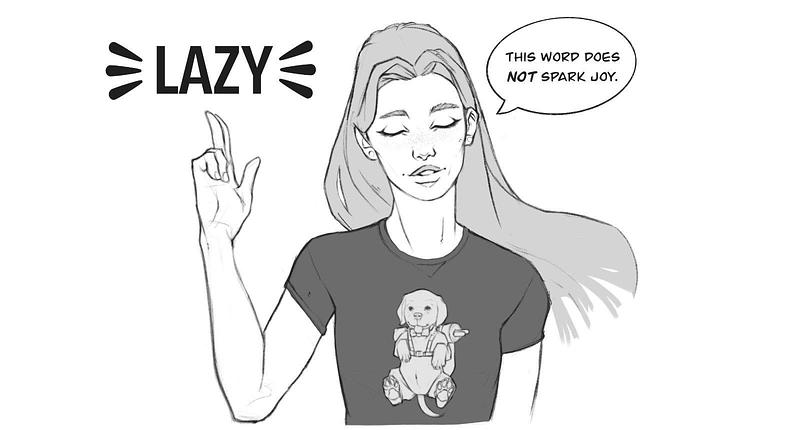
Why Lazy People Don’t Exist: Rethinking Motivation
You have probably been called lazy or worried you might be. The label stings, especially when you feel tired, overbooked, or stuck. The idea behind why lazy people don’t exist matters now because burnout is rampant and attention spans are pulled thin by devices that never rest. This is not about excuses. It is about understanding how energy, context, and mental health shape your output so you can change what is in reach instead of shaming yourself. When you see that motivation behaves like fuel in a tank rather than a fixed trait, you can pick specific levers to refill it. That shift turns a vague insult into a practical plan.
Fast hits
- Motivation rises with clear goals, rest, and rewards you actually care about.
- Chronic stress and untreated conditions can mimic laziness but respond to support.
- Small environmental tweaks beat willpower-only strategies.
- Self-talk that treats you as a partner, not an enemy, keeps habits sustainable.
Why lazy people don’t exist in real life
Ask yourself: is a friend lazy if they skip the gym after a night shift? You know the answer. Most so-called laziness is depleted energy, fuzzy priorities, or tasks that lack meaning. Researchers studying self-determination theory note that autonomy, competence, and connection drive effort. When those pillars wobble, output drops. That is not a character flaw. It is a signal.
Self blame solves nothing.
“Motivation is not a trait you have or do not have. It is a state that changes with context,” behavioral scientists often remind us.
Think of motivation like a soccer team lineup. If key players are injured, the match looks sluggish. Fix the roster and the pace returns.
How to respond when someone calls you lazy
Here is the thing: you can redirect the conversation to facts. Ask for specifics about what is missing. Clarify expectations. Set a timeline you can meet. This turns a vague accusation into a manageable checklist. You also protect your sense of agency.
- Identify the barrier. Is it time, knowledge, or energy?
- Adjust the task size. Break it into actions that fit a single sitting.
- Schedule recovery. Rest is not a luxury; it is fuel.
- Seek support. A quick check-in with a peer can unblock you.
Missing skills often masquerade as laziness. Training beats shame every time.
Build an environment where why lazy people don’t exist feels true
Your surroundings can either drain or feed momentum. Minimize friction: keep tools visible, scripts handy, and checklists short. Plan work in blocks that match your natural energy curves. If mornings are sharp and afternoons are foggy, schedule tough tasks early. You would not run a marathon at noon in July; respect the conditions.
And do not overlook health. Sleep debt, depression, ADHD, and anxiety can flatten drive. If low energy persists, talk to a clinician. Getting medical input is a sign of seriousness, not weakness.
Make rewards meaningful
External rewards help, but they need to match your values. A short walk, a chat with a friend, or progress on a personal project can refill your tank. When you design rewards that feel like a good coach’s halftime pep talk, you start looking forward to the next play.
Workplace steps for managers
Managers often misread disengagement as laziness. Instead, they can measure workload, clarity, and recognition. If a team member drifts, check their autonomy and whether their skills fit the assignment. Offer coaching, not labels. It is like adjusting a recipe: tweak ingredients, taste, and iterate.
Final thought
Why stick with a label that blocks progress when you can swap it for a plan that restores energy? Start with one lever today and see how different tomorrow feels.