Why Wall Street Wants Your Farm Data
Bankers once judged you by yield reports and collateral. Now they want row-by-row telemetry, soil scans, and rainfall histories because farm data monetization shapes credit, insurance, and commodity bets. If you hand over that data without a plan, you risk pricing that favors the lender, not your operation. Investors view data as the new cash crop, and they are already bundling it into risk models and derivatives. You deserve a seat at that table, because the information flowing off your acres is worth more than a free app upgrade. Look, this shift is happening faster than most producers expect. Are you ready to treat your digital footprint like a crop with its own market?
Signals You Should Notice
- Contracts that swap discounts for unrestricted access to machine and agronomy files.
- Insurers pushing variable premiums tied to your real-time field performance.
- Data platforms offering revenue shares but silent on resale terms.
- Lenders experimenting with alternative credit scores built from farm IoT feeds.
Why farm data monetization is accelerating
Capital markets crave uncorrelated signals, and farm data delivers them. Weather APIs tell only part of the story; planter downforce logs and nitrogen timing fill the gaps. Banks and hedge funds see a chance to price risk ahead of USDA reports, so they court producers for exclusivity. It feels a lot like the early days of satellite imagery trading, only this time the source is your cab.
Data is the new crop, but the field belongs to the farmer, not the financier.
Silence on terms is the fastest way to give away the store.
How to trade data without losing control
Treat data like grain at an elevator: sample, weigh, and set a basis. Demand purpose limits, storage locations, retention windows, and resale prohibitions. And insist on audit rights, because without verification a contract is just hope. Ask for tiered pricing that pays more for historical depth and sensor diversity (yes, including equipment logs). If a partner balks, that tells you plenty.
Building a farm data monetization plan
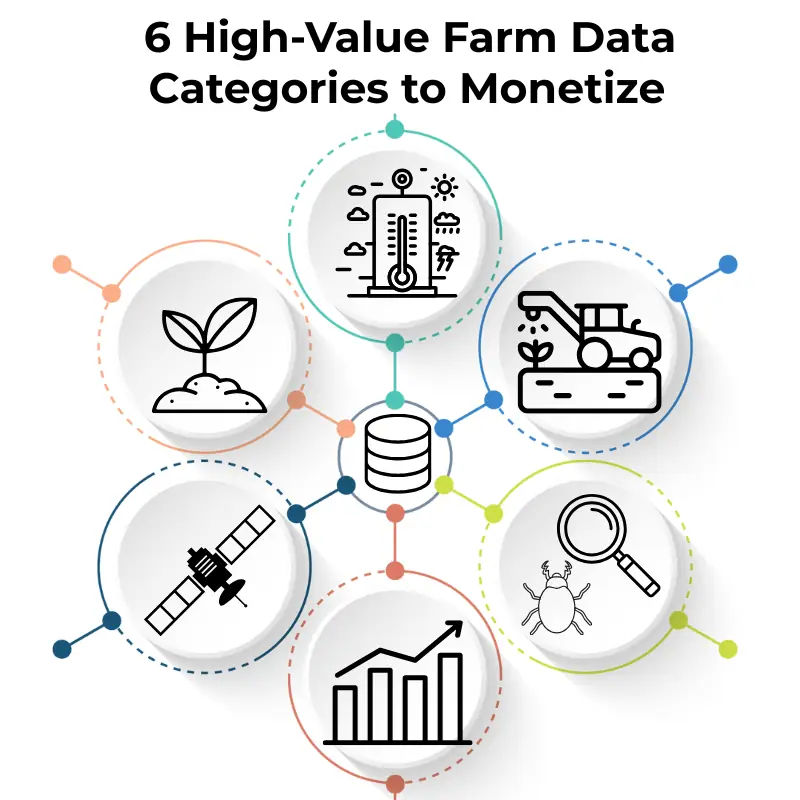
Start with an inventory of what you already produce: machine files, imagery, lab results, and operator logs. Rank them by sensitivity and market value, then map who currently has copies. Only then draft offers. Use a simple playbook, like a coach scripting the first 15 plays of a game, so you know exactly what to give and what to hold back.
- Set a minimum price per acre for any farm data monetization deal.
- Create redlines: no perpetual rights, no resale without consent.
- Bundle data with services you need, such as agronomy support, to keep leverage.
- Track payouts and compare them to your operational lift.
Think of this as diversifying your revenue streams without planting another acre.
Risk check: privacy, contracts, regulators
Privacy law in agriculture is patchy, so contracts do the heavy lifting. Spell out anonymization standards and indemnity. Push for data residency inside jurisdictions with clear recourse. But remember the insurance angle: if a carrier uses your data to deny a claim, you need language that requires disclosure and dispute rights. How else will you contest a model you cannot see?
Where farm data goes next
Market makers are already testing futures that blend crop yields with soil-carbon scores. Equipment makers want feedback loops to tune subscriptions. The winners will be producers who negotiate like owners, not users. Next planting season, treat your data room like a grain bin with a lock and a price tag. Who says the farmer cannot be the one setting the terms?