Underage Online Gambling in West Virginia: Tech Access, Real Risks, and What to Do
Teenagers in West Virginia now carry pocket-sized casinos in their phones, and that puts families in a bind. Underage online gambling is rising as sportsbook apps and social casino games meet cheap data plans, and addiction counselors say calls from parents are climbing. You need to know where the risks come from, how state rules apply, and what practical steps stop a curious scroll from becoming a costly habit. The issue feels urgent because access is frictionless, age checks are thin, and losses pile up before adults notice. I have covered gambling tech for years, and the pattern is unmistakable: the gap between regulation and reality widens fast. Miss it, and you pay twice—once in dollars, once in trust.
What you should know right now
- Phones and laptops make betting as easy as a tap, often skipping serious age checks.
- Social casino games can groom behavior before real money ever changes hands.
- West Virginia rules exist, but enforcement struggles to keep pace with app growth.
- Parents can cut risk quickly with device controls and payment oversight.
Underage online gambling reality in West Virginia
Look at how teens actually play. They start with free-to-play casino apps, then jump to offshore sportsbooks that barely verify identity. Local counselors in the state say early wins create a rush that masks the long odds. This is not a niche worry.
State law sets 21 as the betting age, yet enforcement leans on platforms to police access. And if a teen uses a prepaid card or a gift card, the system often waves them through. It is like leaving a stadium door propped open during the biggest game.
“Access drives behavior. When gambling is in every pocket, we see more youth chasing losses,” says a West Virginia addiction specialist.
Why does this matter right now? Because the fall sports calendar brings nonstop promotions, and promotions lure experimentation. Teens compare odds like trading cards, and that social pressure hides the risk of spiraling debt or grades slipping. Think of budgeting like the defensive line in football: if it collapses, the offense scores at will.
Underage online gambling: practical safeguards for parents
You want steps, not slogans. Start with the money flow. Lock down payment methods on app stores, remove saved cards, and set bank alerts for small recurring charges. That single move blocks many impulse bets.
- Use device controls: Enable parental controls on iOS or Android to restrict downloads and in-app purchases.
- Audit accounts weekly: Check bank statements and app histories for betting-related names or odd charges.
- Talk about odds plainly: Show how probability works. A quick coin-flip demo beats a lecture.
- Set screen curfews: Late-night betting spikes when supervision dips. Router-level schedules help.
- Find replacements: Swap betting-like games with hobbies that give quick feedback—coding puzzles, sports, music.
And do not skip the conversation. Teens read silence as consent. If they already wagered, focus on limits and honesty rather than punishment (which often drives behavior underground).
Where regulators and platforms must step up
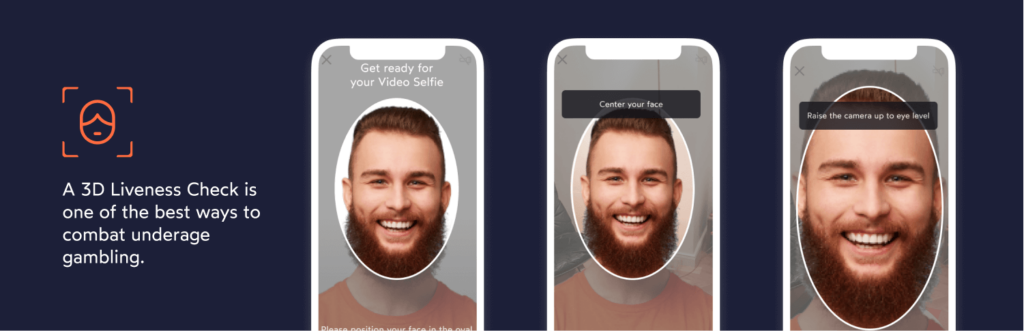
West Virginia can tighten identity checks by requiring real-time age verification and cutting off payment tokens tied to unverified users. Why not force platforms to report suspicious activity to a state dashboard? Other states already do that with success. Stronger ad controls—especially during school hours—would also shrink exposure.
Platforms have tools they rarely deploy. IP-based checks, velocity rules on deposits, and mandatory cooling-off periods work in banking. They belong here too. Think of it like good architecture: you do not wait for a bridge to crack before adding more load-bearing steel.
How schools and communities can counter the pull
Schools can fold gambling literacy into digital safety lessons. One class showing how house edges erode a bankroll can blunt the allure. Community centers can host drop-in sessions with counselors who know the local scene. Even a poster with hotline numbers near a gym can save a student from sliding further.
Sports teams should treat gambling talk like any other risk topic. Coaches already address nutrition and sleep. Adding a five-minute reality check on betting odds keeps the message grounded.
What happens next
Do nothing, and underage online gambling becomes the default weekend habit. Push now, and families regain control while regulators catch up. The next move is yours.