Tiffany Haddish on Jimmy Kimmel Live and the Trump State Fair Flop
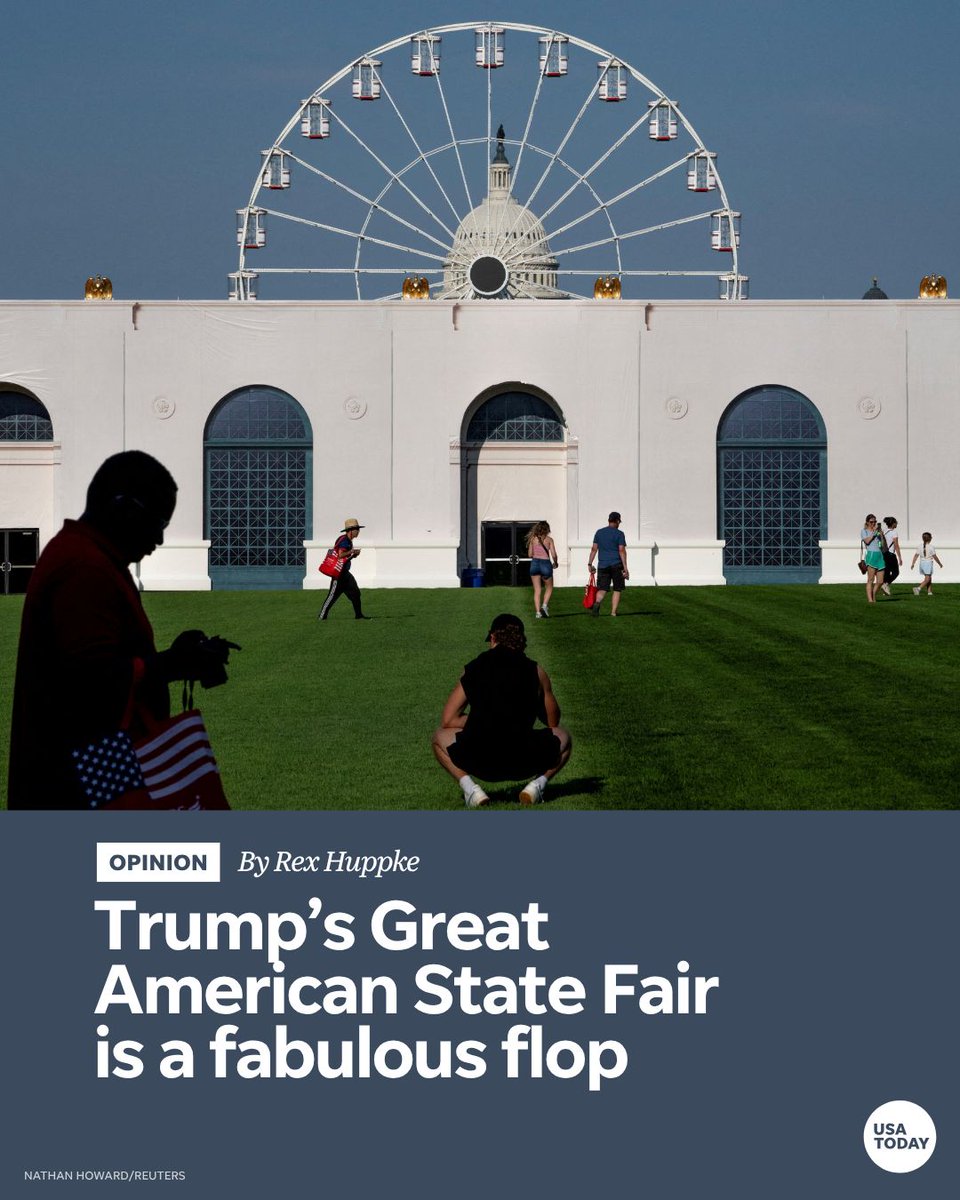
Trump’s public events still get treated like proof of momentum, even when the crowd tells a different story. That is why the latest Trump state fair flop matters. On Jimmy Kimmel Live, Tiffany Haddish pointed at the gap between the political branding and the actual turnout, and she did it with the kind of timing that makes a late-night segment stick.
Look, this is not about one fair or one joke. It is about how public figures use big events to project strength, then hope the footage does the rest. When the footage shows a thin crowd, the spin gets harder. And Haddish, as guest host, knew exactly where to press. Why does that land so well? Because audiences can spot staged confidence when the room is half empty.
The moment worked because it was simple, direct, and rooted in what viewers could already see.
What stood out from the Trump state fair flop
- Haddish framed the turnout as the story. That kept the focus on the event itself, not on a long political monologue.
- The joke landed because the visual evidence was easy to grasp. A sparse crowd needs no translator.
- Late-night TV still matters for political perception. A strong segment can spread fast on clips and social feeds.
- The segment cut through campaign-style messaging. Once a crowd shot looks weak, the optics are hard to fix.
Why the Trump state fair flop matters beyond one event
Political events live and die on presentation. A packed fairground can look like momentum. A thin one can look like fatigue. That is basic optics, and campaigns know it.
But optics only work if the audience buys the frame. When a comic like Haddish points out the mismatch, she gives viewers permission to say what they already suspected. It is like a basketball coach drawing up a clean play. If the shot misses, the whole setup gets replayed in slow motion.
“A crowd shot is never just a crowd shot. It is a scorecard, and everybody knows how to read it.”
The Trump state fair flop also shows how quickly political theater can backfire. The event was supposed to project energy. Instead, the conversation moved to attendance, enthusiasm, and whether the spectacle matched the sales pitch.
How Jimmy Kimmel Live turned a turnout issue into a sharper critique
Late-night shows do not need a policy memo to make a point. They need timing, a clean target, and enough context for the joke to feel grounded. Haddish had all three.
She did not need to over-explain the Trump state fair flop. The setup did the work. Then the punchline did the rest. That is good TV, but it is also good media criticism. It exposes how fragile political branding becomes when the crowd does not cooperate.
Why this segment traveled so well
- It was visual. People understand crowd size faster than they understand polling jargon.
- It was specific. Vague jokes fade. Specific references get shared.
- It fit the host’s voice. Haddish brings a blunt, playful style that makes commentary feel immediate.
And that matters for viewers who are tired of inflated claims. They do not need another grand statement. They need someone willing to say the obvious thing out loud.
What the Trump state fair flop says about political image management
Campaigns often treat every event like a photo op with a scoreboard attached. That can work when the room is full and the energy is real. It fails fast when the turnout is weak or the audience seems disengaged.
The Trump state fair flop shows the limits of stage-managed enthusiasm. You can build the backdrop, line up the microphones, and push the message. But you cannot force a crowd to look excited. That is the part political operatives hate most, because it is out of their control.
Public reaction now moves at clip speed. One awkward image, one flat response, one sharp joke on a late-night show, and the narrative shifts. Not permanently. But enough to hurt the script for the day.
What readers should watch next
The real question is not whether one guest-host segment was funny. It is whether these moments keep exposing the gap between political branding and public response. If they do, the Trump state fair flop becomes more than a one-night punchline. It becomes a pattern.
For now, the takeaway is simple. When a show like Jimmy Kimmel Live turns turnout into comedy, it is usually because the turnout already looked bad. And if the image is that weak, what exactly is the campaign selling?