Sweden Problem Gambling Rate Drops But Work Remains
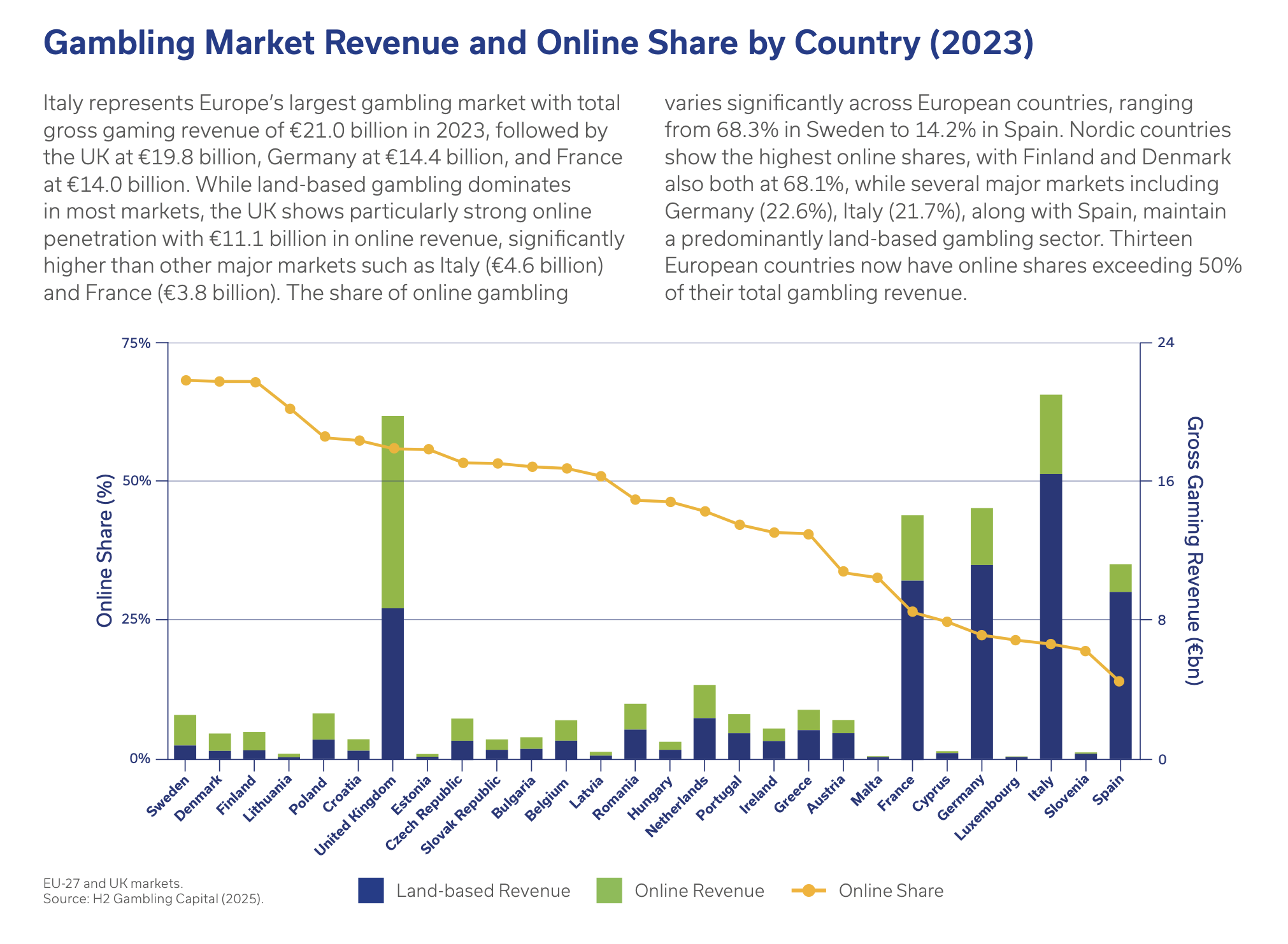
Sweden’s new data shows the Sweden problem gambling rate slipping from 3% to around 1.3%, a welcome shift in a market that once feared a rising tide of harm. You care because this is the kind of number regulators cite when shaping deposit limits, and it is the figure that operators use to defend their licenses. The fall suggests that self-exclusion tools and channelisation efforts are making a dent, yet the report also flags low treatment uptake and persistent overrepresentation among young men. If you run compliance, this is not just good news. It is a cue to tighten player monitoring before the next audit lands. And if you are a player advocate, the softer headline hides a hard truth: access to help still lags demand.
Quick Headlines from the Field
- Problem gambling prevalence fell to roughly 1.3% from 3% in 2015, per Sweden’s Public Health Agency.
- Young men remain the highest-risk group, echoing earlier years’ demographic skew.
- Self-exclusion enrollment is growing, yet treatment access stays stubbornly low.
- Channelisation pressures continue as offshore sites target Swedish players.
Why the Sweden Problem Gambling Rate Matters Now
The headline drop is real, but the market context is messy. Sweden’s re-regulation in 2019 tightened license conditions and pushed operators to invest in early intervention. Yet unlicensed sites still nibble at market share, often ignoring affordability checks. The lower rate might reflect better tools or simply lower survey response from high-risk players. That uncertainty should drive cautious policy, not celebration.
As a reporter who has watched every Nordic policy pivot, I see the new rate as a signal, not a verdict.
What’s Behind the Decline in the Sweden Problem Gambling Rate?
- Stricter controls: Deposit limits during the pandemic set a precedent for tighter spend monitoring.
- Self-exclusion growth: Spelpaus sign-ups rose, reducing exposure windows.
- Marketing curbs: Fines for aggressive promos forced operators to tone down bonus churn.
- Public awareness: Regular government campaigns made harm visible and reduced stigma for seeking help.
One sentence can still carry weight. Treatment access has not kept pace with risk identification.
Gaps That Still Need Attention
Look at the treatment numbers and you see the cracks. Few players who screen positive end up in therapy. Local municipalities report wait times that can stretch weeks, long enough for a relapse cycle to reset. And what happens if funding stalls?
Operators also wrestle with data-sharing rules. Anti-money laundering requirements push for deeper checks, but privacy laws limit cross-operator visibility, leaving problem gamblers able to hop between sites. That loophole feels like a revolving door in a casino lobby.
Practical Steps for Operators
Here is the thing: operators cannot hide behind the national average. Regulators are watching cohort-level trends, and auditors ask for proof, not promises.
- Sharpen risk scoring: Combine velocity checks with session time and payment decline patterns; simple loss thresholds miss binge behavior.
- Intervene earlier: Automate outreach after the first spike, not the fifth. A short cooling-off prompt can defuse a bad night.
- Track channelisation: Monitor traffic leakage to .com sites; if your churn climbs, your safer gambling messaging may be too weak.
- Report with context: Pair monthly SAR data with customer outcomes so internal teams see whether referrals lead to actual help.
Policy Moves on the Horizon
Regulators are hinting at tighter bonus rules and potentially stricter affordability checks. Expect more pressure on data standardization so treatment providers can plug into operator alerts (think of it like a fire alarm system in an apartment block rather than isolated smoke detectors). If you are in compliance, plan for cross-border information requests as EU neighbors look to Sweden’s model for guidance.
Player-Centric Tactics That Work
Players respond to clarity. Swap legalese for plain-language risk prompts. Offer budgeting tools that mirror everyday finance apps, not obscure sliders. Think of it as coaching a team: you do not just set the play, you explain why it works. And yes, incentives matter. Reward time-outs with loyalty perks that do not invite more betting, such as merch or event access instead of free spins.
How to Measure Real Progress
- Engagement with help resources: Track clicks to support pages and follow whether those sessions end in deposits or pauses.
- Retention quality: Favor longer, lower-intensity sessions over short, high-loss bursts.
- Third-party validation: Bring in independent audits to review your models; regulators trust outside eyes.
Numbers can paint a cleaner story than slogans. Tie your KPIs to actual behavior shifts, not vanity metrics.
What Comes Next for the Sweden Problem Gambling Rate
The rate fell, but the story is not done. Further channelisation toward licensed play will either cement the gain or erode it. Treatment access must expand, or the rate could tick back up as new cohorts age into risky behavior. I am betting that the next Swedish debate will center on data sharing and affordability, not just bonus caps.
Ready to prove your safeguards work before the next survey drops?