Spotting Sick Building Syndrome Symptoms Before They Sideline You
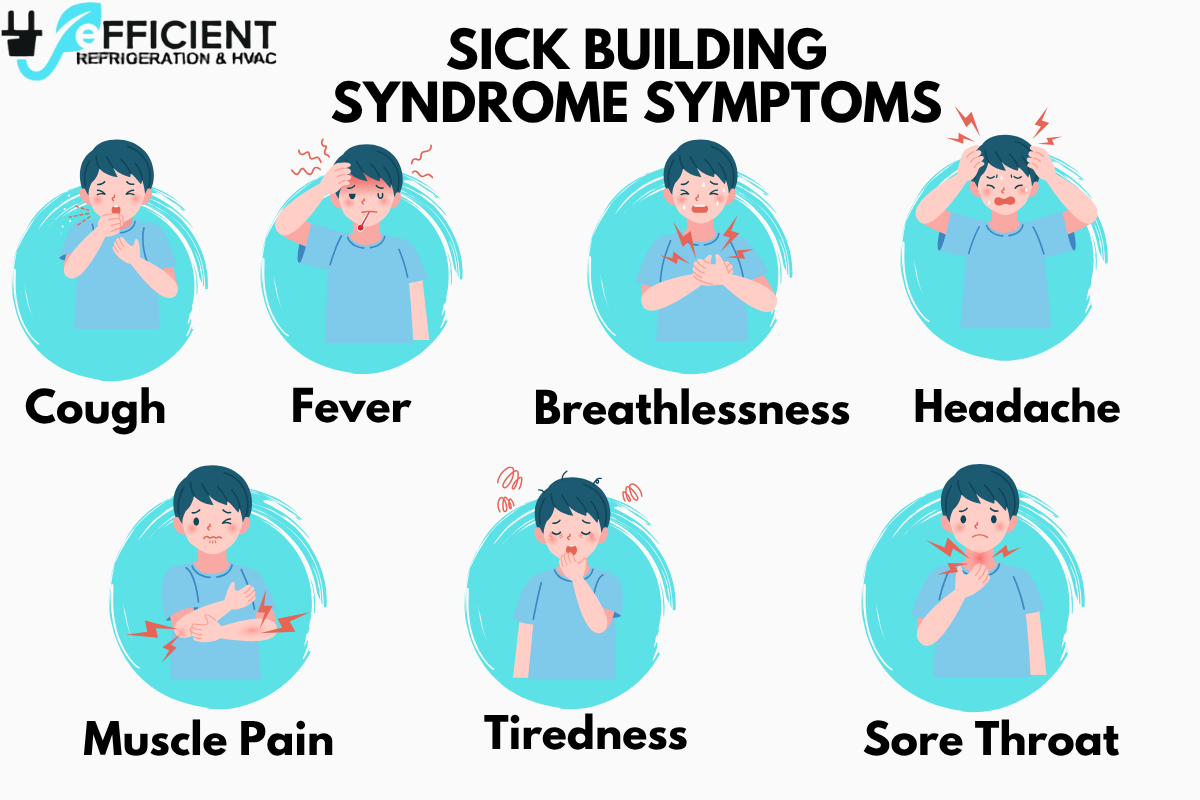
You spend hours indoors, and the place that should keep you productive leaves you queasy. That mismatch is the core of sick building syndrome symptoms, a cluster of headaches, irritated eyes, and brain fog tied to time spent in a specific space. The issue matters now because tighter buildings and heavier wildfire smoke have pushed indoor air quality into the spotlight. You need clear signals, fast fixes, and proof-backed steps, not vague warnings. Let’s sort the telltale signs, dig into causes, and map out ways to reclaim your air so you can focus without feeling lousy.
What to watch for right away
- Headaches, dry eyes, and scratchy throat that ease after you leave the building
- Sudden fatigue or trouble concentrating during long indoor stretches
- Runny nose or cough without a clear cold or allergy trigger
- Worsening asthma flares or dizziness tied to specific rooms
How sick building syndrome symptoms show up
One headache can feel like a siren.
These symptoms usually cluster: burning eyes, tight chest, nausea, and that heavy mental fog that makes email feel like calculus. They often improve after a weekend away, which is a big clue. A stuffy HVAC system, trapped volatile organic compounds from paint or cleaners, and hidden mold growth can all play a role. Why let a building dictate your health?
“Indoor air can be two to five times more polluted than outdoor air,” the EPA has noted, a reminder that four walls do not guarantee safety.
Think of a poorly maintained building like a gym where the treadmills never get serviced. You would expect injuries. Stale air works the same way on your lungs and brain.
Diagnosing sick building syndrome symptoms without guesswork
- Track when symptoms start and stop. Note rooms, time of day, and tasks.
- Check ventilation basics: clogged vents, blocked returns, or closed dampers.
- Use a cheap CO2 monitor as a proxy for fresh air. Levels above 1,000 ppm often signal poor ventilation.
- Inspect moisture hotspots under sinks and near windows for visible mold.
- Review recent changes: new carpet, fresh paint, or cleaning products can spike volatile compounds.
Share this log with facilities staff or a landlord. It gives them a roadmap instead of a vague complaint.
Reducing sick building syndrome symptoms at work
Improve airflow by opening operable windows when outdoor air is clean and safe, and by asking for longer HVAC runtimes before occupancy. A portable HEPA purifier in your immediate area can cut particulate load, especially during wildfire season.
Switch products to low-VOC cleaners and paints. If renovations are planned, push for work after hours and adequate airing out before staff return.
Control moisture with prompt leak repairs and humidity in the 40 to 60 percent range. Dehumidifiers or better bathroom exhaust can be small fixes with big payoffs.
Rotate work zones if a specific area is the trigger. Sometimes you need a temporary desk swap while the root cause is fixed.
When to escalate sick building syndrome symptoms
If you see visible mold, smell persistent musty odors, or notice multiple colleagues coughing, push for professional testing. This is not about being picky. It is about preventing long-term respiratory issues. And if management stalls, what does that say about their duty of care?
Bring data like CO2 readings, humidity levels, and symptom logs. Ask for a plan with dates and responsible parties. Know your rights by checking local workplace safety rules; some states set indoor air guidance for schools and offices.
Looking ahead: keep the air honest
Healthy buildings are becoming a hiring perk, and you can nudge your employer to treat air quality like cybersecurity: continuous monitoring, rapid response, and regular audits (filters included). Use yearly HVAC inspections, scheduled filter swaps, and transparent air quality dashboards to keep everyone accountable. What if every meeting room posted its CO2 reading next to the Wi-Fi password?