How Sports Betting Brands Guard Sponsorship Turf Against Prediction Markets
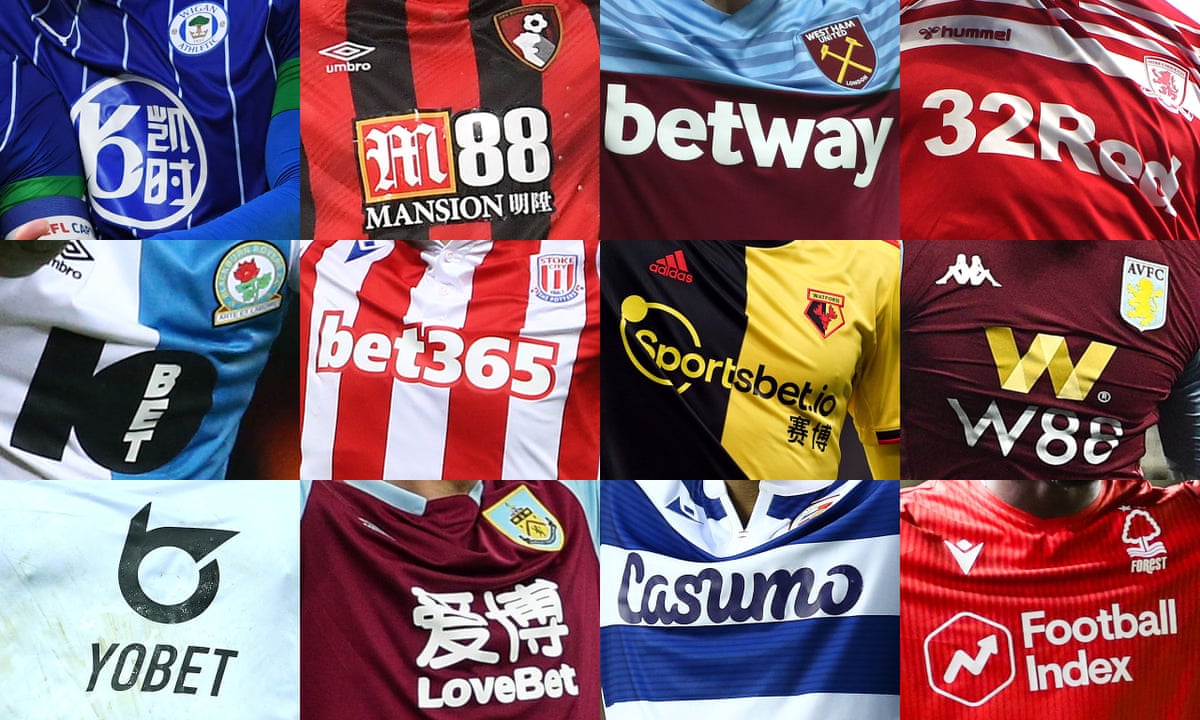
Sports betting sponsorships are under fresh pressure. Clubs, leagues, and media outlets now field offers from prediction markets that sell a lighter regulatory footprint and grassroots buzz. If you run sports betting sponsorships, you feel that squeeze right now. The playbook that won stadium naming rights no longer guarantees renewal. You need sharper economics, clearer fan value, and compliance proof before the next season kicks off. This guide shows how sports betting sponsorships can stay sticky, fend off prediction market bids, and keep your logo on the jersey without overpaying. Along the way, I’ll point to deals that worked, numbers that move the needle, and traps that burn budget. Ready to tighten your edge?
Quick Wins to Hold the Line
- Benchmark CPM and CPA against prediction market offers, not just rival sportsbooks.
- Bundle rights with first-party data access and trackable fan sign-ups.
- Lock compliance clauses that reassure risk-averse leagues.
- Use loyalty perks to keep fans engaged between fixtures.
- Negotiate make-goods tied to real engagement, not vague impressions.
Why sports betting sponsorships face new heat
Prediction markets market themselves as fan-driven, low-friction, and often skirt the same licensing costs you pay. That lets them bid aggressively for sleeve patches and broadcast spots. Traditional sportsbooks carry a heavier tax and compliance load, so you need to prove your value in other ways. Think of it like a soccer team facing a high press: one sloppy touch and you lose possession.
“Rights holders are chasing whoever funds the next upgrade, and prediction markets are raising their hands with fresh venture cash,” a Premier League sponsorship lead told me last quarter.
Fans also compare products. If your app takes eight clicks to place a same-game parlay while a prediction market offers a near-frictionless interface, brand awareness alone will not save the deal.
Pricing the deal so you don’t overpay
Start with hard numbers. What does each sponsorship placement actually return in first deposits, net gaming revenue, and lifetime value? If a sleeve patch drives a $45 CPA and a rival offer suggests $30 from a prediction market, you need to justify the spread with better segmentation and higher ARPU. Anchor negotiations around data access and conversion pathways, not just logo placement.
One single-sentence paragraph.
And yes, insist on digital deliverables that you can instrument: unique QR codes, trackable landing pages, and time-boxed offers. Without that instrumentation, you are playing basketball without a shot clock—you cannot pace or measure the game.
Engineering fan value inside sports betting sponsorships
Fans reward utility. Bundle odds boosts tied to match milestones, push same-game parlay builders that mirror real broadcast storylines, and deliver loyalty credits when a club wins. These tactics give your brand a service role, not just an advertising role. It is the difference between a chef who explains the menu and one who sends an extra plate when the kitchen runs late.
Add a parenthetical aside to show you are thinking about friction: if your KYC flow still feels like paperwork, fix it before any campaign goes live. A quicker start-to-bet funnel beats a glossy billboard every time.
Compliance as a sales weapon for sports betting sponsorships
Prediction markets often walk a gray line on licensing. You can flip that to your advantage. Offer rights holders clear evidence of age gating, advertising guardrails, and responsible gambling features. Show your audit trail. Leagues care about brand safety, and you can win tie-breakers by reducing their risk. That reassurance buys you renewal runway.
Case notes: who is winning deals now?
In the US, regulated books that paired sponsorships with media integrations (live odds in broadcasts plus app-exclusive boosts) saw higher retention than standalone jersey patches, according to internal league briefings I reviewed this spring. In Europe, a La Liga club renewed with a sportsbook after the operator added community clinics on safer betting, undercutting a prediction market bid on social impact.
What about smaller clubs?
They often take the highest cash offer. But a phased deal that escalates based on verified sign-ups can beat a flat fee. Why give away margin before you see lift?
Execution checklist for sports betting sponsorships
- Map every asset to a metric: sleeve patch to QR scans, broadcast tags to app opens, in-stadium Wi-Fi splash to registrations.
- Negotiate data rights so you can retarget fans ethically with opt-ins.
- Cap creative fatigue with monthly refreshes tied to fixtures.
- Run A/B tests on offers during low-stakes matches before marquee games.
- Publish a responsible gambling slate alongside every major push.
Content and product must move together
Look, sponsorships cannot carry a weak product. If your same-game parlay builder crashes under traffic, no rights package will offset the churn. Fix stability, speed, and withdrawals. Then let sponsorships amplify those strengths.
Do prediction markets ever make sense?
Maybe for content partnerships where real-money betting is restricted. But if you operate a licensed sportsbook, do not let a gray-market app sit next to your logo. You give them legitimacy while they avoid your taxes. Why let a free rider draft behind your car?
Next season, fewer excuses
Sports betting sponsorships are getting pricier and more contested. The rights you want will go to whoever delivers measurable fan value and cleaner compliance. Are you willing to rebuild your playbook before the next kickoff?