Sportradar Short Seller Claims and Stock Drop
Sportradar found itself in a rough spotlight after a short seller report helped send the company’s stock lower. If you follow sports betting data, public gambling tech stocks, or market volatility around gaming suppliers, this matters now because Sportradar short seller claims touch on trust, valuation, and the way investors judge fast-growing betting infrastructure businesses. A sharp sell-off can look dramatic, but price action alone does not settle whether the underlying allegations hold up. That is the real issue. You need to separate market panic from verified facts, especially in a sector where headline risk moves faster than fundamentals. Look, gaming tech names often trade on confidence as much as quarterly numbers. When confidence cracks, even for a day, the damage can spread well beyond one ticker.
What stands out
- Sportradar publicly rejected the allegations raised by the short seller.
- The stock fell sharply as investors reacted to the claims and the uncertainty around them.
- The episode put fresh focus on Sportradar’s business model, disclosures, and market valuation.
- Short reports can expose real issues, but they can also amplify fear before facts fully emerge.
What happened in the Sportradar short seller claims episode
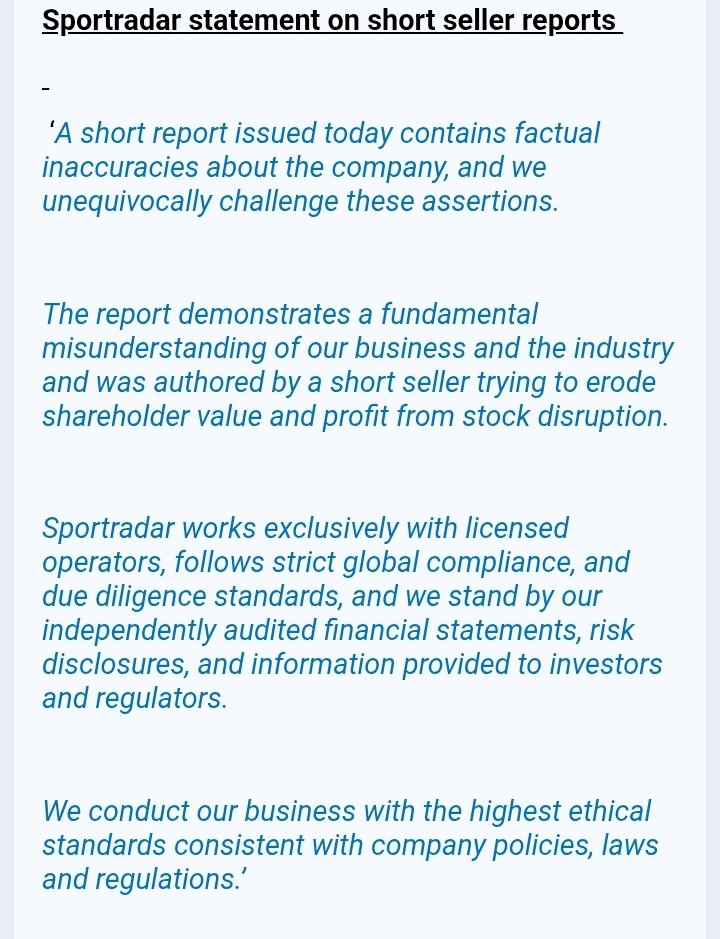
According to Legal Sports Report, a short-focused report targeted Sportradar and questioned parts of its business. The market response was swift. Shares dropped as traders weighed the allegations against the company’s rebuttal.
Sportradar answered by denying the claims. That matters because public denials create a line in the sand. Either the allegations will fade as overreach, or they will keep drawing scrutiny from investors and analysts.
Short seller reports often land like a fire alarm in a crowded building. People run first, then ask whether there is actually smoke.
That dynamic is not unique to betting technology. You see it across public markets, especially in sectors where future growth is a big part of the valuation story.
Why the Sportradar short seller claims hit so hard
Sportradar sits in a part of the gambling economy that many investors treat as picks-and-shovels infrastructure. It provides data, integrity services, and technology to sportsbooks, leagues, and media groups. Businesses like that can attract premium valuations because they look less exposed to direct consumer swings than operators do.
So what happens when a short report challenges that clean narrative? The reaction can be seismic. Investors start asking whether revenue quality, customer concentration, margins, or disclosure practices are as solid as they seemed a day earlier.
And that is the point.
For a company tied closely to the sports betting supply chain, credibility is non-negotiable. If the market starts doubting the plumbing, not just the paint, the repricing can be fast.
Sportradar short seller claims and the investor checklist
If you are trying to judge this story without getting dragged into stock-message-board noise, focus on a few practical questions. Honestly, this is where most readers should spend their time.
- What exactly did the short seller allege? Separate broad accusations from specific, testable claims.
- How direct was Sportradar’s response? A full rebuttal with point-by-point answers carries more weight than vague pushback.
- Do public filings support the company’s position? SEC filings, earnings calls, and audited financials matter more than hot takes.
- Is the market reacting to new facts or to uncertainty itself? Those are not the same thing.
- Could this affect commercial relationships? In betting tech, perception can influence partners, regulators, and future deals.
Think of it like checking a bridge after someone claims there are cracks in the steel. You do not judge it by the panic in traffic. You inspect the structure.
What this says about sports betting tech stocks
Public companies linked to online gambling live in a strange middle ground. They are often sold to investors as technology companies with recurring revenue characteristics, but they still carry the regulatory and sentiment risk of the gambling sector. That mix can be profitable. It can also turn jumpy very fast.
Sportradar, Genius Sports, and other B2B betting suppliers are judged on a few recurring themes:
- Quality and durability of contracts
- Dependence on major league or sportsbook partners
- Margin profile and operating leverage
- International growth
- Data rights and competitive positioning
When a short seller enters the picture, every one of those themes gets stress-tested. Sometimes that pressure reveals weak spots. Sometimes it simply exposes how thin investor conviction was to begin with.
How much weight should you give a short report?
Not all short reports deserve the same treatment. Some have exposed accounting problems and governance failures that the broader market missed. Others are thin, selective, or timed to drive a rapid sell-off. You have to read them with two ideas in mind at once.
First, short sellers can perform a useful market function. Second, they also have a financial incentive to make the bearish case sound as sharp as possible.
That tension is healthy, if you keep your head. A veteran market watcher learns to treat these reports like a prosecutor’s opening statement, not a final verdict (and certainly not a substitute for source documents).
What to watch next from Sportradar
The next phase matters more than the initial shock. Investors, partners, and industry analysts should watch for concrete follow-through rather than recycled outrage.
1. Management detail
If Sportradar expands on its denial with more specifics, that will help the market judge the strength of its defense. Precision beats indignation every time.
2. Analyst reaction
Sell-side analysts will likely compare the allegations against filings, guidance, and prior disclosures. Their notes are not gospel, but they can show where the pressure points really are.
3. Earnings call scrutiny
Expect tougher questions on revenue mix, contract structure, and any area the short report emphasized. That is where vague language starts to look expensive.
4. Partner confidence
Sportradar’s ties to leagues, sportsbooks, and media groups are central to its standing in the market. If those relationships look stable, the stock may regain footing. If doubts spill into commercial chatter, this story could drag on.
The bigger lesson for gambling sector investors
Stories like this are a reminder that market structure can be as volatile as the businesses themselves. A company may still have strong assets, real customers, and durable demand, yet the stock can get hit hard when a narrative changes in a single session. Why? Because public valuations are built on belief as much as spreadsheets.
For readers who cover or invest in gambling technology, the smart move is simple. Read the allegation. Read the rebuttal. Then read the filings. That routine lacks drama, but it usually beats chasing the loudest voice in the room.
Where this could go from here
Sportradar has denied the claims, and now it has to convince a market that clearly wants more than a flat rejection. The company may steady the story with sharper disclosure and consistent execution. Or this flare-up may keep hanging over the stock if new questions keep surfacing.
Either way, the betting tech sector should pay attention. If a major data supplier can lose ground this quickly on a short report, every richly valued gambling infrastructure name is on notice. The next move belongs to the evidence.