
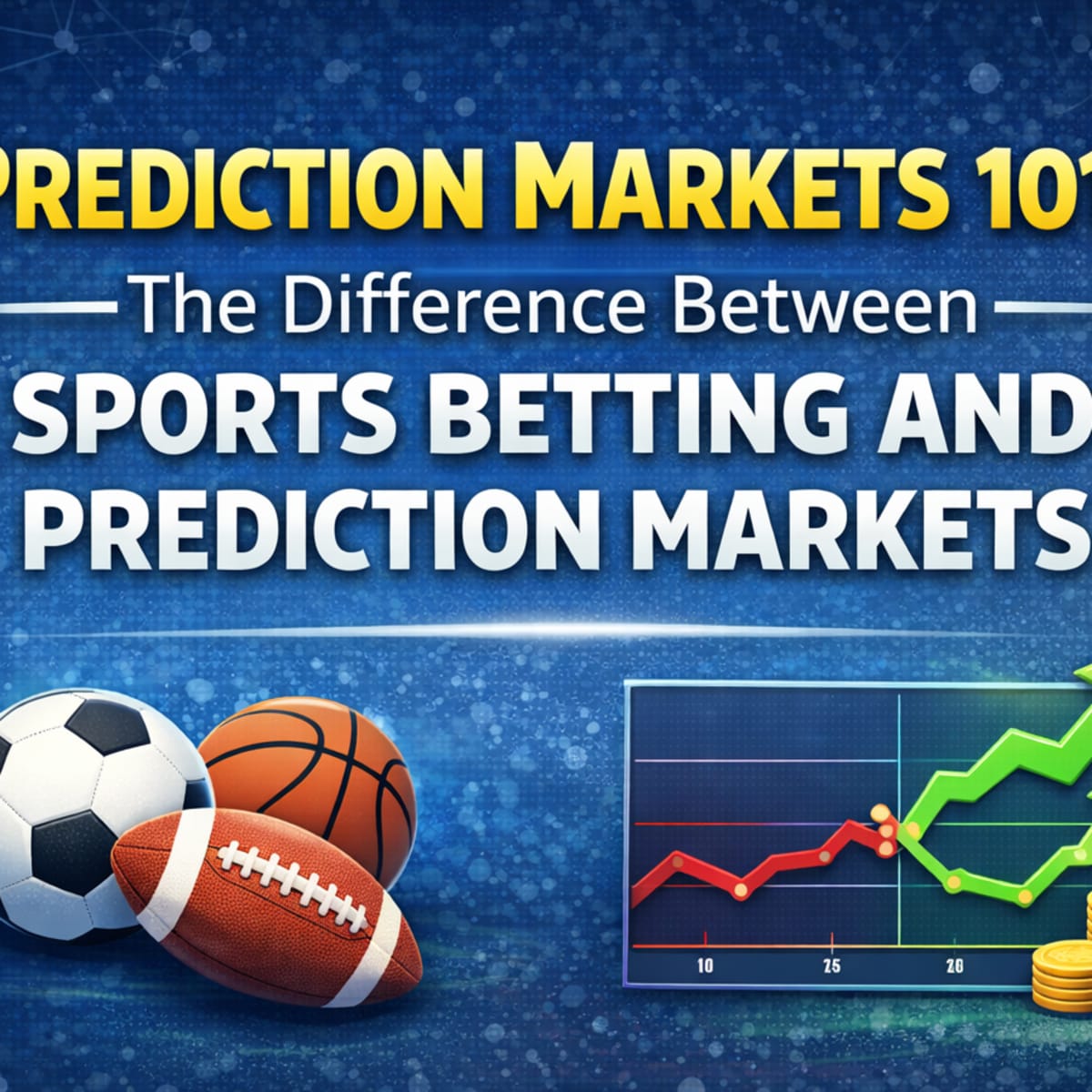
Prediction Markets vs Sportsbooks: How They Can Share the Field
You hear the hype around prediction markets and wonder if they threaten your sportsbook. The timing matters because regulators are circling and bettors chase sharper prices. The real question is how prediction markets vs sportsbooks can coexist while pulling in new action, not splitting the same pie. That is the playbook today.
Highlights Worth Your Time
- Prediction markets draw price-sensitive bettors without erasing sportsbook margins.
- Regulation will shape how the two products sit side by side.
- Liquidity and fees decide which platform wins repeat business.
- Books can borrow market tools to manage risk smarter.
Why prediction markets vs sportsbooks is a live question
Prediction markets operate more like exchanges. Buyers and sellers set odds, and the house takes a fee. Sportsbooks post a line, shade it, and hold risk. Different mechanics attract different bettors. One crowd wants control and tighter spreads. Another wants a quick parlay with promos.
That mix mirrors a kitchen pantry. You keep staples for everyday cooking, yet still reach for a spice when a recipe demands it. The pantry holds both without conflict.
Analysts argue the products can coexist because they solve distinct needs: sharper price discovery versus entertainment-led bets.
Fees decide who sticks around.
Building trust in prediction markets vs sportsbooks
Trust shapes retention. Sportsbooks lean on licenses, KYC, and clear limits. Prediction markets must show fair matching engines and transparent fee tables. Without that, casual users slide back to the familiar app.
- Show where your edge lies. If spreads are tight, publish comparisons.
- Invest in uptime. Market-style books die when markets freeze mid-game.
- Make onboarding simple with clean identity checks.
And what about integrity? You cannot ignore match-fixing alarms. Books already monitor irregular patterns. Markets need the same surveillance, paired with clear reporting paths.
Product plays for sportsbooks
Sportsbooks can borrow from exchanges to stay sticky. Offer peer-to-peer pools for niche props. Add depth charts showing how odds moved. Those touches give savvy users the sense of control they crave, without losing the house role.
Look, risk rooms already hedge on exchanges. Packaging that transparency into the consumer app turns a back-office tool into a feature.
Where prediction markets must improve
Liquidity is king. Thin books create stale prices and scares off size. Incentives help: fee rebates for market makers, featured markets tied to big events, and social tools that let users share tickets. But watch the rake. If fees creep up, the exchange edge vanishes.
Another weak spot is UX. Many prediction platforms feel like trading terminals. Casual fans want clean bet slips, clear rules, and fast withdrawals. Why ignore the lesson sportsbooks learned years ago?
Regulation and the cohabitation path
Expect scrutiny. Regulators ask whether prediction markets fall under financial rules or gaming codes. That choice sets capital demands, consumer protections, and tax treatment. Operators should plan for both outcomes and build compliance hooks early. Waiting invites shutdowns.
Could the two models cannibalize each other? Only if operators force users into one funnel. A smarter route is to segment: exchange for price hunters, sportsbook for promos and parlays. Let users toggle between views in one wallet. That saves acquisition spend and keeps churn low.
Signals to watch next season
- States testing limited prediction market licenses with caps on stakes.
- Sportsbooks partnering with exchanges for liquidity backstops.
- APIs that let media partners embed live market prices in content.
- Fee compression as more entrants chase the same sharp bettors.
Honestly, the next shift may come from media rights. If leagues bundle real-time data feeds for both products, odds stay aligned and manipulation risk drops.
Closing Kickoff
Sports betting rarely stands still. The smart move is to build a two-sided offering and let users choose. Are you ready to test an exchange tab before your rival does?


.png)