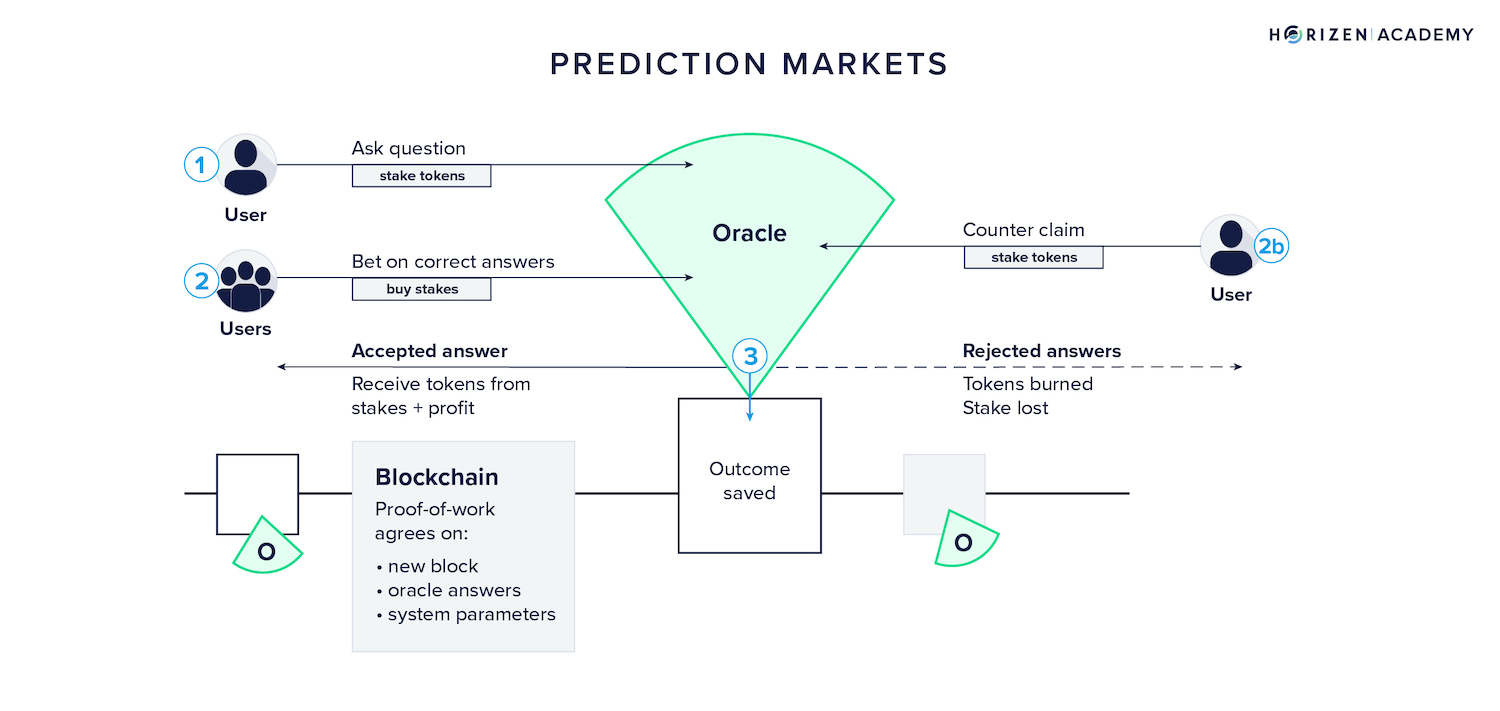
Prediction Markets Push Into Mainstream Betting
Operators cannot treat prediction markets as a side story anymore. The product is spreading, the language is getting sharper, and the line between trading and betting keeps getting thinner. That matters because prediction markets are not just another niche feature. They can change how users price events, where liquidity goes, and which brands control the conversation around politics, sports, and culture.
For years, the sector looked like a clever experiment. Now it looks more like a pressure test for the whole wagering stack. Who gets to offer a market? Who can clear it? Who owns the customer relationship? Those questions are starting to decide whether an operator stays relevant or gets boxed out.
Prediction markets are no longer a curiosity. They are becoming a distribution fight, a compliance fight, and a product fight at the same time.
What matters right now
- Prediction markets are drawing attention because they mix finance-style pricing with betting-style engagement.
- Operators need to watch regulation closely, especially where event contracts overlap with gambling rules.
- Liquidity is a hard problem. Without it, users leave fast.
- Brand trust matters more than hype. People want clear rules and clean settlement.
- Sports and politics remain the biggest magnets, but format innovation is moving fast.
Why prediction markets are pulling attention
People like markets that feel direct. A simple yes-or-no outcome is easy to understand, and that makes prediction markets feel more approachable than complex betting menus. They also invite users to think in probabilities, which is a different habit from standard sportsbook play.
That shift is useful for operators, but it also creates tension. If a market looks too much like a wager, regulators notice. If it looks too much like a financial product, a different set of rules kicks in. Which lane wins? That is the central question, and nobody should pretend the answer is settled.
Think of it like building a stadium with two scoreboards. One audience wants the drama of a bet. The other wants the discipline of a market. If the product serves only one side, the other side walks.
Where the mainKeyword fits into the business model
For operators, prediction markets are less about novelty and more about control. They can bring in new users, extend session length, and create a product that feels fresh without requiring a full sportsbook redesign. But the economics only work if the operator can keep friction low and settlement fast.
That is why execution matters more than branding. A shiny interface will not save a market with thin liquidity or clunky rules. Users notice fast. So do regulators.
Three pressure points operators should watch
- Regulatory perimeter. Know whether the product is treated as a wager, a contract, or something in between.
- Market depth. Sparse liquidity makes prices look weak and kills repeat use.
- Customer trust. Clear settlement terms and visible rules reduce disputes.
Why prediction markets test compliance teams
Compliance teams are not just checking boxes here. They are deciding whether a product can exist at all. The rules can vary by jurisdiction, and the same event can trigger different treatment depending on how the market is structured.
That is why legal review cannot happen at the end of product design. It has to sit inside it. The teams that wait until launch day usually discover the real cost too late. And that cost is not just delays. It is redesign, reputational damage, and sometimes a dead product.
Prediction markets reward precision. Sloppy rules create disputes. Sloppy disclosure creates distrust. Sloppy compliance creates headlines nobody wants.
Where the product can win users
Prediction markets work best when the event is easy to verify and the outcome lands fast. Elections, policy votes, sports milestones, and celebrity or media moments all fit that pattern. Users understand the stakes, and the market can settle without a long wait.
But the category still has to prove that it can keep users coming back after the first burst of interest. That is where product design matters. Can people trade easily? Can they see live price movement? Can they understand why a market moved? Without those answers, the experience feels thin.
Honestly, this is where many operators get carried away. They chase the headline, then forget the retention loop.
What operators should do next
Start with the markets you can explain in one sentence. If your team cannot explain the outcome, the pricing, and the settlement in plain language, the product is too messy.
Then pressure test the stack. Ask whether you can support enough liquidity, whether your geo and eligibility rules are defensible, and whether your compliance team has a real escalation path. If the answer is fuzzy, the launch plan is fuzzy too.
Look, prediction markets are not replacing every betting format. But they are changing the standard for speed, clarity, and user control. The operators that treat them like a real strategic channel, rather than a stunt, will have the better shot when the market gets crowded. Are you building for the next trend, or for the next platform shift?
The next move
The smart play is to treat prediction markets as a core product question, not a marketing line. The firms that align product, compliance, and liquidity early will have the cleanest path forward. The rest will spend their time explaining why the idea sounded better than the execution.