Powerball and Mega Millions Jackpots Rise With Slower Drawings
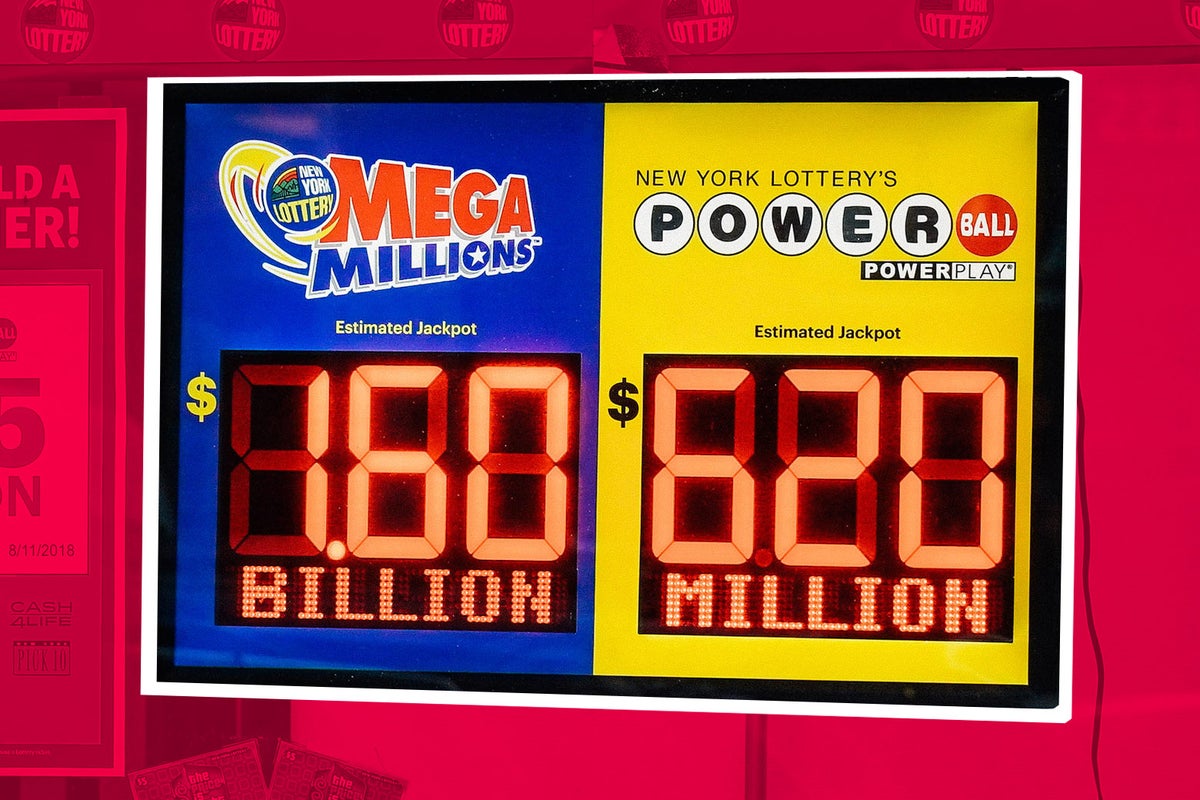
If you feel like Powerball and Mega Millions jackpots are getting bigger more often, you are not imagining it. The two biggest US lottery games are producing larger top prizes in part because they now draw less frequently than they once did. That matters if you buy tickets, track jackpot runs, or follow lottery economics. A slower drawing schedule gives ticket sales more time to pile up between drawings, which can push headline prizes higher before a winner finally hits the top combination.
And that shift changes the rhythm of the games. Bigger jackpots pull in casual players, drive media coverage, and keep the prize conversation alive for longer stretches. But does a larger jackpot mean better value for you? Not really. It mostly means the rollover machine has more time to build steam.
What changed
- Powerball and Mega Millions jackpots can grow larger because there is more time between drawings.
- Fewer drawings mean more ticket sales can stack up before the next winning number is picked.
- Bigger advertised jackpots boost attention, but they do not improve your odds of winning.
- The change is great for lottery buzz and sales, less so for players chasing value.
Why Powerball and Mega Millions jackpots are getting bigger
The core reason is simple. Fewer drawings can create larger gaps for sales to accumulate, especially when no one wins the jackpot early in a run. If millions of tickets are sold over a longer window, more money flows into the prize pool before the next draw takes place.
Think of it like a stadium parking lot before a night game. Open the gates earlier, and more cars line up before kickoff. The game itself has not changed much, but the buildup does.
According to the report from GamblingNews, the slower drawing cadence has helped both multi-state lotteries post larger jackpots. That is especially visible during long rollover streaks, when excitement compounds and national coverage kicks in. The top prize becomes a story, not just a number.
Bigger jackpots are often a function of timing and sales volume, not better player outcomes.
How slower drawings affect jackpot growth
More time for ticket sales
Lottery jackpots grow when there is no top-prize winner and sales continue. A longer wait between drawings gives retailers and digital channels more time to move tickets. That extra volume can be seismic for the advertised prize, particularly once the jackpot crosses major psychological marks like $500 million or $1 billion.
More media attention
Large US lottery jackpots feed on attention. News outlets cover the total. Social media spreads the number. Office pools return. And once that cycle starts, it tends to reinforce itself.
One sentence matters here.
The larger the jackpot gets, the easier it is for lottery operators to pull in people who do not usually play. That surge in casual participation can inflate the next estimate even further (assuming no one wins), which keeps the cycle moving.
Longer rollover arcs
Here is the thing. A jackpot run with fewer drawing points can feel slower, but each step may carry more sales weight. That can make the headline total jump in ways that look dramatic, even if the underlying math is fairly plain.
Do bigger Powerball and Mega Millions jackpots help players?
Mostly, no. They make the games more visible and more entertaining to follow, but they do not change the odds in your favor. Powerball and Mega Millions remain long-shot games with extremely low jackpot hit rates.
That is the part lottery marketing rarely gets enough pushback on. A giant annuitized prize looks exciting, but excitement and expected value are different things. If you are buying a ticket for fun, fine. If you think the schedule shift has made the games smarter bets, it has not.
What are you really paying for? A shot at a life-changing number and a few days of daydreaming.
What this means for lottery operators
For operators, larger jackpots are good business. They create repeat headlines, stronger engagement, and broader participation. And because the top prize gets so much attention, it can overshadow the less glamorous details, such as odds, cash value, and tax impact.
- Higher visibility. Massive jackpots attract national coverage.
- More casual players. Infrequent buyers step in when the prize gets huge.
- Longer sales windows. Fewer drawings leave more time for volume to build.
- Stronger brand momentum. Powerball and Mega Millions stay in the public conversation for longer.
Honestly, that is why this schedule effect matters so much. It helps the product look hotter without improving the underlying proposition for the customer.
How to read Powerball and Mega Millions jackpots more clearly
If you follow these games, a few habits will keep you grounded.
- Check whether the advertised figure is the annuity or cash option.
- Remember that bigger jackpots do not mean better odds.
- Watch the drawing schedule because timing affects sales buildup.
- Expect more public attention once a prize reaches a headline-friendly threshold.
- Set a spending limit before you buy. Then stick to it.
That last point is non-negotiable. Lottery games are built for entertainment, not disciplined investment.
Where Powerball and Mega Millions jackpots may go next
As long as slower drawings leave more room for sales growth, Powerball and Mega Millions jackpots will likely keep producing giant runs that dominate headlines. Add inflation, stronger digital awareness, and the public’s appetite for huge numbers, and the trend has room to continue.
But bigger is not always better. The real story is not just that jackpots are climbing. It is that lottery operators have found another way to stretch attention across more days and more buyers. If you play, play with open eyes. The next billion-dollar prize will make noise. The smarter question is whether you hear the math behind it.