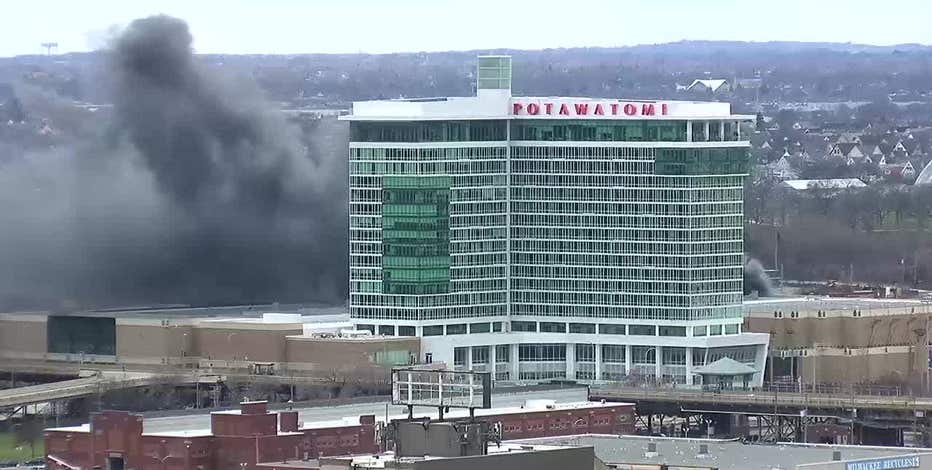
Potawatomi Casino Hotel Fire Prompts Rapid Roof Rescue in Milwaukee
The Potawatomi Casino Hotel fire on the Milwaukee skyline sent patrons and staff into quick response mode. Your worry is obvious: how safe is a busy gaming floor when the roof catches? The blaze was confined to rooftop construction material, but smoke drifted across the property and forced crews to secure the area fast. Firefighters reached the site within minutes, climbed to the roof, and cut through layers to stop the spread. Early reports say no guests were hurt, yet any roof fire in a crowded venue raises fresh questions about evacuation routes, sprinkler reach, and communication drills. You need clear answers right now because delays hurt business and trust.
Highlights That Matter
- Roof-top construction debris ignited, contained before reaching guest floors.
- Milwaukee firefighters accessed the roof quickly via aerial ladders.
- No injuries reported, casino operations paused only in affected zones.
- Investigation underway into construction safety and ignition source.
What Happened at the Potawatomi Casino Hotel Fire
Fire crews were called to the Potawatomi Casino Hotel roof after smoke was spotted above ongoing construction work. They found burning materials on the roof deck, not inside guest rooms or gaming areas. That containment made all the difference. Think of a hockey goalie deflecting a high shot before it slips past the crease: timing was everything. Crews cut ventilation holes, soaked smoldering layers, and prevented drop-down fire into occupied floors.
This blaze is a wake-up call.
According to local officials, sprinklers in lower levels never activated because the heat stayed topside (a small win, but it also hints at limited roof detection coverage). The casino temporarily cordoned off nearby sections to keep guests clear while firefighters overhauled the site to find lingering embers.
How the Potawatomi Casino Hotel Fire Response Unfolded
First units arrived within minutes, set aerial ladders, and advanced to the roof. They faced wind and layered roofing materials that can trap heat. To speed extinguishment, crews peeled back sections and drowned hot spots. Why does that matter to you? Faster knockdown reduces water damage to gaming floors and limits business interruption.
“We contained the fire to the roof area and kept it from extending into the hotel,” a Milwaukee Fire Department official told local media.
The casino’s internal team coordinated with firefighters to guide them through service corridors. That coordination mirrored a well-practiced playbook, similar to a pit crew keeping a race car rolling under pressure. No guests were evacuated en masse, but staff routed people away from affected entrances until air cleared.
Safety Lessons for Operators and Guests
Roof work is a common ignition source, whether from torches, electrical tools, or discarded materials. Are your contractors logging hot work permits and fire watches? If not, you are accepting unnecessary risk. Roofing assemblies often hide smoldering pockets that reignite. Post-incident monitoring with thermal cameras is essential.
- Verify hot work permits and on-roof fire watch procedures for any construction.
- Map roof access points and ensure they stay clear for ladder trucks.
- Check smoke detection coverage in roof voids and service shafts.
- Run tabletop drills that include roof scenarios and partial-floor closures.
For guests, the takeaway is simple: note secondary exits the moment you check in. A small habit, big payoff.
Operational Impact and Next Steps
Initial reports suggest gaming and hotel operations resumed outside the cordoned zones within hours. Still, smoke odor and water runoff can affect adjacent areas. The casino will need air quality tests, electrical checks near roof circuits, and a rapid review of contractor protocols. Insurance carriers will ask for photos, logs, and hot work documentation before claims move forward.
Expect the investigation to focus on the ignition point and whether debris storage met code. Was the roof area kept clear of combustible scraps, or did convenience trump compliance? That answer shapes future penalties and retrofit demands.
Looking Ahead
Milwaukee avoids a larger disaster this time, but roof-level vigilance should become routine. Will operators treat this as a one-off, or will they tighten every hot work checklist they have? The smart move is obvious: audit now, train now, and keep guests informed when construction is active.