Ole Miss launches student gambling research centre
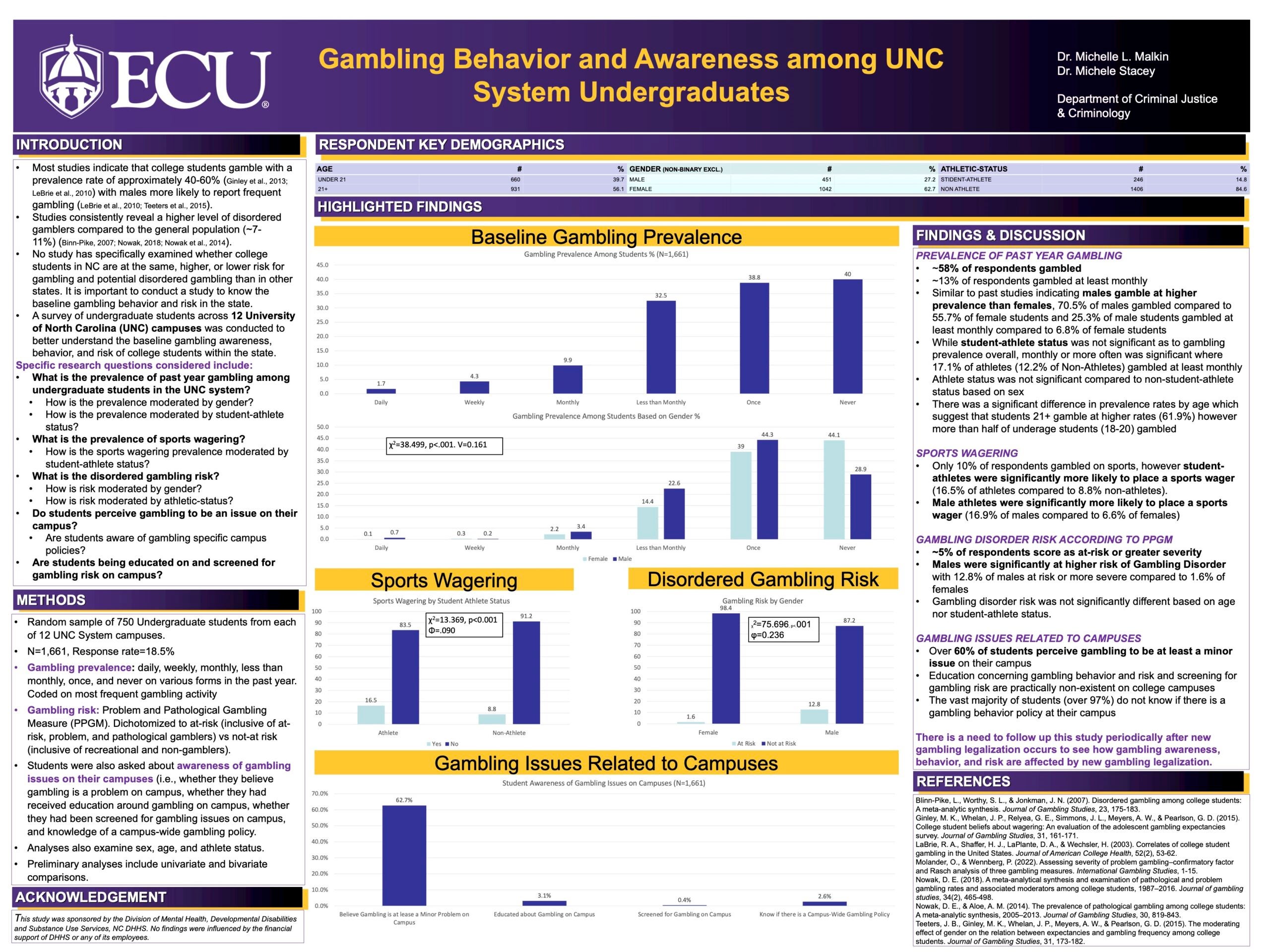
Problem gambling among students keeps rising while campus policies lag, and you can feel the urgency every time a student athlete hits a betting controversy. The University of Mississippi just opened the country’s first academic centre focused squarely on student gambling research, giving universities a fresh playbook and the industry a mirror it cannot dodge. I have watched schools talk about “awareness” for years; this move finally commits to data, prevention, and accountability. The centre pairs public health researchers with athletics and counseling services to map where risk starts, how it spreads, and which interventions actually stick. If you work in compliance, student affairs, or sportsbook operations, this is the lab you should be watching because student gambling research is about to go from side project to core metric.
What stands out
- First US academic hub dedicated to student gambling research, based at Ole Miss.
- Cross-discipline team: public health, counseling, athletics, and policy experts.
- Plans for campus surveys, early intervention pilots, and training for coaches.
- Potential to shape NCAA and conference-level guidance within a year.
One centre will not solve the mess alone.
Honestly, this feels like the first time a university is treating gambling harm like a concussion protocol instead of a PR issue.
Why student gambling research matters for campuses
Every campus leader I talk to wants guardrails but lacks evidence on what works. Student gambling research can map triggers tied to dorm life, NIL deals, and esports lounges, then test which interventions curb binge betting. Think of it like a preseason conditioning program: you don’t guess fitness, you measure and adjust.
Will other universities wait for a headline scandal or start sharing data now?
How the new centre plans to drive student gambling research
Ole Miss is lining up longitudinal surveys, counseling touchpoints, and anonymous reporting tools to track behavior shifts. The plan includes training coaches and academic advisors so referrals happen before a student falls into debt. They also want to publish open methods, which keeps the work transparent and forces vendors and operators to confront uncomfortable findings.
I like the practical bent: fewer glossy campaigns, more campus drills that mirror real betting temptations.
What operators and regulators should watch
- Data sharing agreements: If sportsbooks provide anonymized wagering data, the centre can spot patterns faster and regulators gain evidence for targeted rules.
- Impact on marketing: Studies could push for tighter controls on promos near campuses, and the SEC or Big Ten might adopt them quickly.
- Training templates: Expect playbooks for RA staff and coaches that other schools can copy without reinventing policy.
This is where industry and academia either collaborate or clash, and the outcome will ripple into ad spend and product design (smarter default limits should follow).
Evidence and transparency
The centre is promising peer-reviewed outputs, not just press lines. Publishing methods and results forces accountability and gives journalists like me something to test against real-world betting volumes. That level of openness is rare in campus risk programs and could become the new standard.
Looking ahead
Ole Miss has thrown the first stone; now we need to see which schools pick it up. If they share results early, state regulators and conferences will move faster, and students get a shot at safer play before the next season kicks off.