New York Casino Expansion Forces New Jersey to Reset for 2026
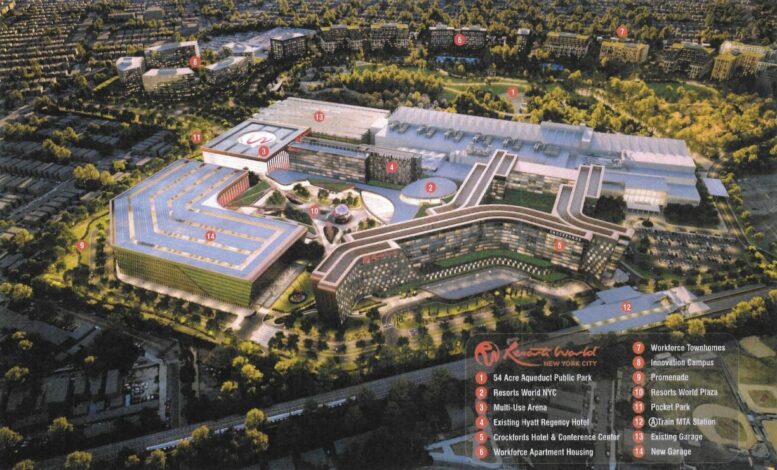
New York casino expansion is no longer a distant headline. Albany fast-tracked three downstate licenses, and by 2026 those doors could siphon day-trippers, high-limit players, and tax revenue from Atlantic City. If you run a New Jersey property, the fight for market share just moved to your doorstep. The question is simple: will you hold traffic or watch it slide across the Hudson?
What Matters Before 2026
- Manhattan and Queens bids keep their existing VLT bases warm, so ramp-up time will be short.
- New Jersey’s 8.5% online GGR tax is friendly, but retail comps must offset closer New York options.
- Transit ease favors New York unless NJ properties push bundled experiences that justify the trip.
- Labor costs in both states are rising; automation plans now can preserve margins later.
Operators that plan today avoid a late panic when the first New York ribbon gets cut.
New York Casino Expansion: Where Pressure Lands
Expect slots-heavy locals play to erode first, especially from North Jersey. Table hold may hold longer, but premium baccarat will chase Midtown convenience. The clock is already ticking.
Think of it like a baseball lineup. New York is adding three power hitters to the order, and New Jersey needs a fresh bullpen plan before the seventh inning.
Traffic and Tax Math
Gross gaming revenue in Atlantic City climbed post-pandemic, yet brick-and-mortar growth flattened. A 5% retail dip after New York launches would hit property EBIT harder than a similar online decline because fixed costs stay put. Are you modeling that spread?
License Timing Scenarios
- Existing racino conversions: Aqueduct and Yonkers can pivot fastest, grabbing early momentum.
- Downstate greenfield: A Manhattan site could anchor VIP play, changing host and gratuity expectations for top players.
- Delay risk: Legal challenges can push dates, but waiting for litigation is not a strategy.
New York Casino Expansion: Moves New Jersey Can Control
Here is the strategic guide I would follow after watching this beat for years.
- Rebuild the day-trip value stack. Bundle parking, dining credits, and show tickets. Make the two-hour drive feel like a win before the first spin.
- Protect top players now. Lock in tier benefits and hosts with year-long offers. Do not let Midtown convenience beat your relationship equity.
- Push omnichannel loyalty. Link online rewards to on-property upgrades. If a player switches apps in New York, you still want them staying in your hotel.
- Refresh the floor mix. Rotate in new hold-neutral themes and low-denom options that speak to casual groups, not just heavy slot devotees.
- Automate labor choke points. Cashless kiosks and mobile F&B ordering trim payroll before higher wage floors bite.
Reading the Regulator Signals
New Jersey regulators prioritize responsible gaming messaging. If New York pairs launch campaigns with strong RG visibility, Atlantic City must match that tone to avoid being painted as the lax option. And how do you counter a city that can market “play after work” to millions?
Watch New York’s award conditions for local hiring and community payments. Similar asks could surface in Trenton if pressure mounts to “keep up.”
Marketing That Travels
Target commuters before they change habits. Geofenced offers along PATH and NJ Transit corridors can intercept would-be New York visitors. Layer in entertainment bookings that New York venues cannot replicate at gaming properties, like weekend-only residency runs.
One last reminder: do not over-index on billboards alone. Digital retargeting tied to retail check-ins delivers better attribution when budgets tighten.
What Happens Next
Look, 2026 is close. Operators that treat this as a seismic change will still have time to adjust loyalty, labor, and floor strategy. Those who wait for the first New York ad blitz will be reacting from behind. Which side of that line do you plan to stand on?