Nipple Orgasm Guide: Science, Technique, and Comfort
Your body responds in surprising ways, and nipple orgasm shows how powerful that response can be. The topic sits at the intersection of curiosity and practical sexual health, and it deserves clear answers, not hype. A nipple orgasm happens when nerve pathways from the chest trigger the same pleasure centers as genital stimulation. Understanding how it works lets you explore pleasure with confidence and consent. You can adjust pressure, rhythm, and tools to fit your comfort, and you can share that learning with partners. The real win is knowing that orgasm is not a one-lane road; it is a network, and the nipple route is legit. You want safety, clarity, and real-world tactics, not myths. So let’s map it out.
Fast facts
- Nipple orgasm relies on nerve links to the genitals and brain.
- Pressure and rhythm matter more than force.
- Communication sets boundaries and boosts trust.
- Toys, temperature play, and lube can change sensation.
Nipple orgasm basics: nerves, brain, and timing
The nipple connects to the spinal cord through the fourth intercostal nerve, which feeds signals into the same brain regions that light up during genital orgasms. Imaging studies have shown overlapping brain activation, which is why nipple stimulation alone can climax some people. The timing can be faster or slower than genital stimulation because arousal patterns vary. Think of it like switching from sprinting to cycling: same destination, different muscles.
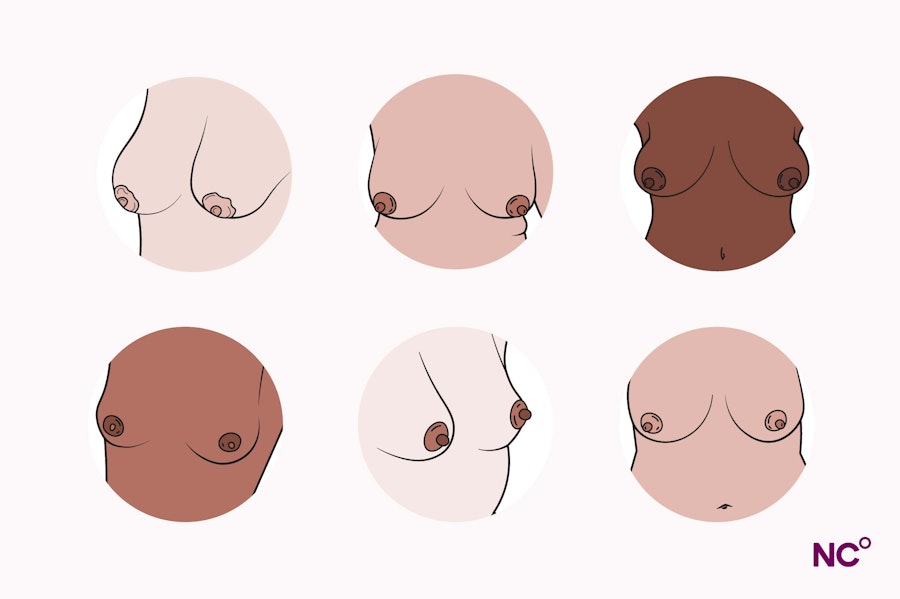
Body maps are personal; the only way to know your route is to explore it.
Pressure needs to be adaptable. Start light, then add roll, squeeze, or flick patterns while tracking your body’s feedback. Warm hands, breathable fabrics, and patience help. Pleasure mapping matters.
Nipple orgasm techniques that respect comfort
- Begin with temperature play: a cool metal spoon or a warm cloth shifts sensation without shock.
- Vary motion: circles, light pinches, or a slow pull with lube to reduce friction.
- Sync breath with touch: exhale during pressure to lower tension.
- Layer stimulation: combine nipple focus with pelvic floor engagement for stronger peaks.
- Use toys designed for nipples, like suction cups, and keep sessions short to avoid soreness.
Why mix breath work? It keeps your nervous system in a calm zone, which supports arousal instead of shutting it down. And if you notice irritation, pause and add balm or softer fabric.
One sentence paragraphs keep points sharp.
Nipple orgasm and partner play
Partners need clear cues. Direct them with specific requests: lighter, slower, or switch sides. Ask a question mid-session: does the touch feel electric or dull? That feedback loop sharpens technique. Use a safeword if experimenting with suction or clamps. Keep sessions playful rather than clinical.
(If you are breastfeeding or healing from surgery, consult a clinician first.) Recovery time matters because overstimulation can numb sensation temporarily. Rotate sides to avoid fatigue, like alternating legs during squats.
When nipple orgasm feels out of reach
Some bodies will not climax this way, and that is fine. You can still fold nipple play into arousal, just as you might add spices to a dish without making them the main ingredient. Hormonal shifts, medications, and stress can blunt sensitivity. Track these factors in a journal for two weeks to see patterns. Adjust expectations and focus on the sensations that do land.
What to try next
Add short sessions of mindful nipple exploration to your routine twice a week, then adjust based on comfort. If soreness lingers beyond a day, scale back. Share what you learn with partners so they can support you without guessing. Your body is the authority, and curiosity is the best tool.