NFL Flags Prediction Market Risks as Platforms Court Bettors
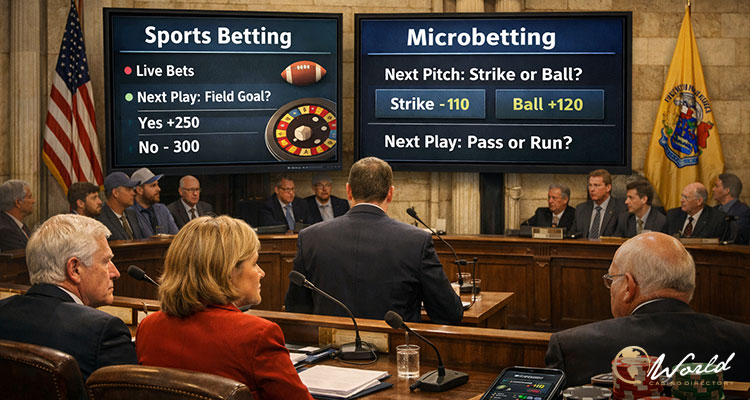
Prediction markets chasing NFL traffic now face a sharp message from the league: clean up easily manipulated props or expect pushback. That warning matters because the NFL prediction market risk is not theoretical. Markets that allow bets on obscure player snaps, first timeout calls, or coin tosses can be steered by insiders and small actors, which erodes trust in the entire ecosystem. If you run a platform, you need to know what the league is worried about, how to tighten your menu, and how to communicate with regulators before they call you. The timing is urgent. New season hype brings fresh users and sharper scrutiny, and no operator wants to be the headline for the wrong reason.
What The League Is Targeting
- Thin-prop markets like first drive plays and snap counts invite manipulation by a single staffer.
- Non-competitive events such as coin tosses provide no skill buffer, only variance.
- Player involvement props (even for backups) can conflict with team integrity policies.
- Public perception risk rises when a niche prop swings due to insider influence.
NFL prediction market risk in focus
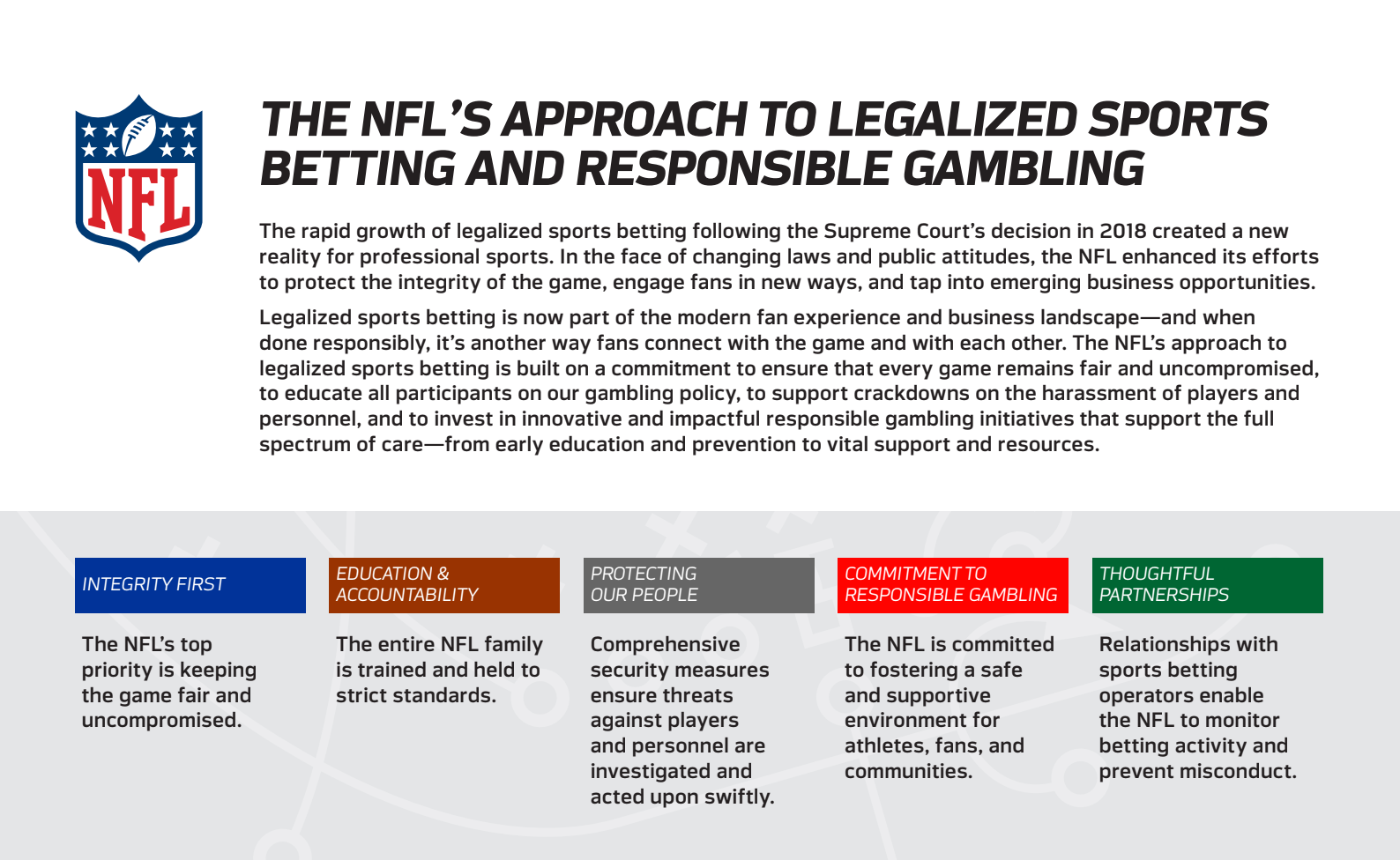
The NFL has already banned players and staff from engaging with most sports betting markets. Extending that stance to prediction platforms was inevitable. Think of a kitchen where too many cooks can reach the spice rack; one wrong pinch spoils the dish. The league sees low-liquidity props the same way. They are easy to spoil because a tiny shove can shift outcomes.
“Events of concern are those that are open to manipulation by one or few individuals.” — League memo cited in multiple reports
Look at markets around who calls the first timeout or whether a specific special teamer takes the field. Those are binary, low-volume events. They are not buffered by broad participation or market-making algorithms. A single equipment manager could tip a friend and move the result. Do you want that headline on Sunday night?
Why regulators will care
State regulators watch for any outcome that undermines fairness. They already limit certain college props for the same reason. If prediction platforms ignore the signal and keep posting fragile NFL events, regulators may act. That means audits, forced suspensions, or even license reviews in jurisdictions where these markets overlap with regulated wagering.
One clear sentence.
How platforms can reduce NFL prediction market risk
- Tighten the menu. Remove props that a single participant can decide, such as coin tosses or snap counts for third-string players.
- Set liquidity floors. Require minimum depth before settling or accepting final bets on thin markets.
- Run pre-event integrity checks. Flag late betting spikes tied to lineup news or insider-friendly angles.
- Clarify house rules. Publish clear settlement guidelines and data sources to preempt disputes.
- Engage the league. Proactively share your risk controls with NFL integrity teams and relevant regulators.
Another practical move is to mirror how exchanges handle thin order books. Freeze or auto-cancel markets when liquidity drops below a threshold. It is boring risk management, but it keeps users around.
Market design lessons from traditional books
Sportsbooks have spent years pruning exotic props that invite trouble. Prediction platforms can borrow those playbooks. Limit offerings to events decided by broad team actions, not single actors. Use trusted data feeds with redundancy. And if you want novelty, test it with play-money first (yes, even if that feels slow) to see how users behave.
Why not apply the same scrutiny to NFL-related political props or off-field outcomes? Those can be just as touchy, and the league will notice them too. The point is to make integrity a default, not an afterthought.
Will users revolt if you cut props?
Some will grumble. Others will appreciate a cleaner marketplace. Ask yourself: would you trade a handful of low-volume bettors for a reputation that keeps regulators calm? The answer should be obvious. You can still offer creative markets tied to team performance, drive results, or season-long narratives without inviting manipulation.
As a veteran covering this beat, I have seen operators chase novelty only to backtrack after a scandal. Learn from that. Keep the fun, ditch the fragile.
Where this heads next
The NFL’s stance signals a broader integrity trend. Other leagues will likely echo it, and prediction platforms will need standardized risk frameworks. Think of it like moving from pickup basketball to organized play. The rules get tighter, but the game becomes fair for everyone.
Do you want to wait for a state regulator to dictate your prop list, or would you rather set the bar yourself?
What smart operators should do now
- Audit existing NFL props for single-actor manipulation risk within the next week.
- Publish an integrity statement that explains your filtering criteria.
- Open a channel with league integrity offices before kickoff.
- Educate users on why some props disappear and add safer alternatives.
Here’s the thing: platforms that act first will look responsible, not restrictive. Users will forgive fewer props if you deliver reliability and quick settlements.
Final take
The NFL prediction market risk conversation is a gift. It tells operators exactly where the line sits before regulators draw it in ink. Treat it as a nudge to rebuild your prop menu on firmer ground. The season is long. Make sure your book survives it.