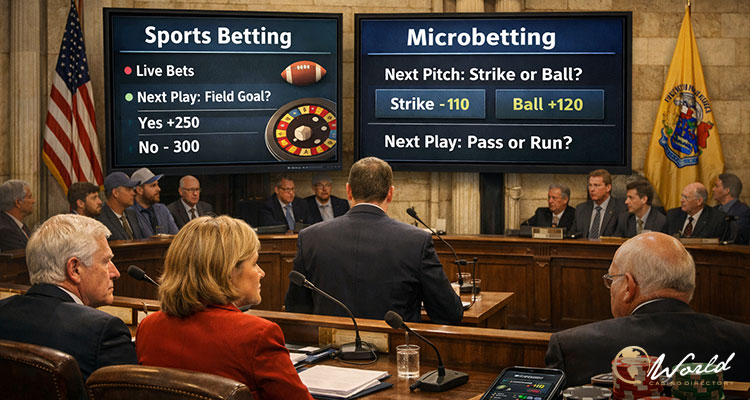
New Jersey’s Micro Betting Ban Fight: What Comes Next
New Jersey lawmakers just advanced a bill that would ban micro bets, and the move lands like a brick for operators counting on in-play growth. The proposal arrives while the state frames itself as the cautious adult in the room, even though fans are flocking to rapid-fire wagers across the country. The question now: can New Jersey sell a micro betting ban without alienating a market that once led the way on mobile wagering? As a reporter who has watched this beat since PASPA fell, I see a looming split between consumer demand and regulatory optics. The New Jersey micro betting ban debate is less about technology and more about whether legislators trust bettors to handle instant options. Look, if New Jersey blinks, other states may borrow the playbook.
Why This Bill Has Operators Nervous
- Committee approval moved quickly, signaling leadership momentum.
- Ban targets rapid in-play markets that drive session length and handle.
- Language leaves room for interpretation on what counts as a micro bet.
- Possible ripple effect on product roadmaps already in flight.
Main Stakes in the New Jersey Micro Betting Ban
Senator Joseph Cryan called the bill “over the top” in scope, yet it still cleared committee. That tells you the political winds are shifting toward visible consumer protections, even if the evidence on harm is thin. Micro markets let you wager on the next pitch or point, which turns betting into a drumbeat rather than a slow burn. Lawmakers see that drumbeat and picture slot-style addiction. Operators see engagement metrics that keep apps open.
This fight is only getting louder.
One single-sentence paragraph here to keep the cadence uneven.
How the Definition Could Shape Products
The bill bans “bets on a play, drive, or other discrete event,” a phrase broad enough to catch almost any in-play prop. Imagine cooking with a knife so dull it smashes tomatoes: that is what product teams face if the language stays vague. Will a “next goal” wager in soccer count? What about pitch count props? If the regulator treats every sub-market as a micro bet, the live product shrinks to moneylines and totals. That is a seismic change for a state that once prided itself on innovation.
Clarifying the Line
- Push for a definition based on time interval, not event type.
- Ask for carve-outs on team-based sequences, such as “next scoring drive.”
- Offer data on average bet size and frequency to counter addiction fears.
Operators should model revenue loss under different definitions now, because the window to negotiate is short.
Why Lawmakers Are Pressing the Brake
Publicly, the fear is that micro bets feel like slot pulls in your pocket. Addiction counselors warn that rapid loops increase risk. But where is the data from New Jersey showing a spike tied to these markets? I have not seen it cited. This looks more like a preemptive strike to avoid headlines than a response to a measurable surge. Remember how baseball managers pull a pitcher before the meltdown shows up in the box score? Same energy here. The committee wants to change the bullpen before the stats demand it.
Is that cautious move justified, or is it political theater designed to look tough on gambling? The rhetorical question hangs over every testimony session.
Possible Outcomes for Bettors and Books
If the bill passes as written, expect New Jersey apps to strip next-play markets within weeks. Bettors may drift to neighboring states or offshore books if they crave that speed. That migration carries risk for both tax receipts and player protection. Books will have to pivot toward same-game parlays and pregame props to keep engagement up.
A lighter rewrite could preserve some in-play flavor. A carve-out for “next drive” or “next possession” keeps football interesting without the snap-by-snap frenzy. That compromise would echo how regulators treat timeouts in basketball: slow the tempo without killing the game.
Playbook for Operators Responding to the New Jersey Micro Betting Ban
Here is what smart operators should do next (and yes, you should move fast):
- Engage early with data on frequency, average stake, and self-exclusion triggers to show control.
- Prototype compliant products that use longer intervals, then demo them to regulators.
- Coordinate with peers through industry groups to avoid fragmented messages.
- Prepare customer comms explaining any feature removals before headlines frame the story.
Think of it like a hockey power play. You cannot waste time skating in circles while the clock burns. Set up your formation and take clean shots at the goal the moment the lane opens.
How This Could Spread Beyond New Jersey
Other states watch New Jersey because the Garden State wrote the blueprint for mobile betting oversight. If this ban lands, copycat bills will follow. It is easier for lawmakers to say “We matched Jersey” than to write fresh policy. Expect a cooling effect on startup books that built their pitch decks around instant markets. Investors will ask whether the model survives if two or three big states pull the plug on micro action.
But this is not a done deal. Hearings will test whether the consumer harm story holds water. If opponents bring credible research and a pared-down alternative, the committee could narrow the scope. The next hearings will tell us whether this is a sprint to passage or a drawn-out negotiation.
What Bettors Should Watch
Bettors are not powerless here. They can submit comments, attend hearings, and ask why a blanket ban beats targeted safeguards like deposit limits or cool-off periods. If you live in New Jersey and value in-play options, speak up before the votes lock in.
And remember, regulators respond to clarity. Spell out which markets you use responsibly and which ones you would live without. That specificity is far more persuasive than shouting about freedom to bet.
Closing Signal
New Jersey built its reputation by balancing open markets with firm guardrails. If it overreaches on micro bets, it risks ceding product leadership to states willing to calibrate instead of clamp down. I expect sharper definitions to emerge once operators and lawmakers trade real data instead of hypotheticals. Until then, brace for a rough middle period and stay vocal about the version of live betting you want to keep.