New Hampshire Gambling Addiction: What Needs to Change Now
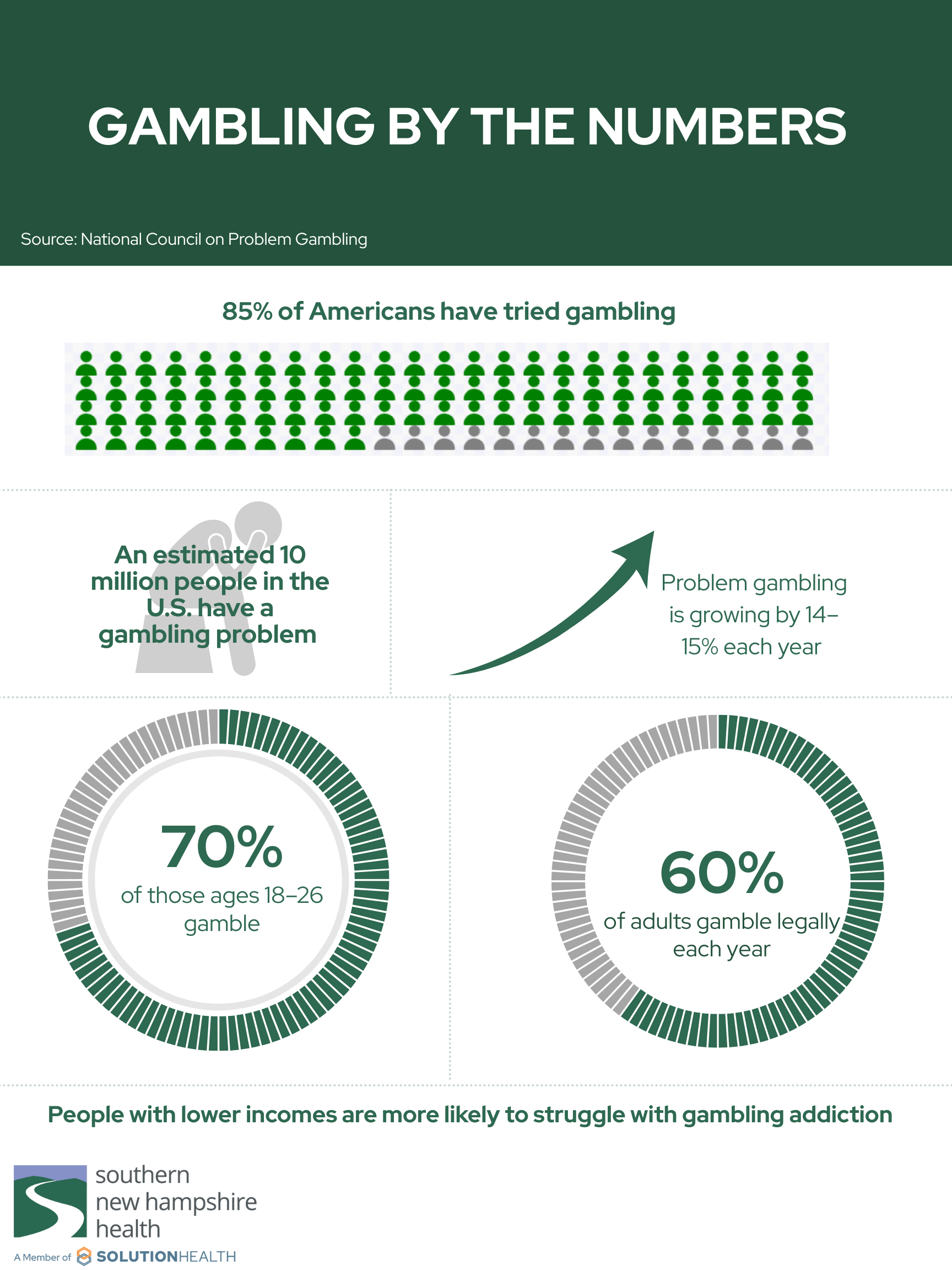
New Hampshire gambling addiction is not a distant risk. With casinos eyeing expansion and online betting gaining traction, you face new temptations and limited safeguards. The state spends pennies on prevention compared to neighboring Massachusetts, while treatment options remain thin. If new venues open before support systems scale, more families will absorb the fallout. This piece maps the holes in funding, regulation, and community response so you can push for real protection now.
Why This Surge Demands Attention
- State prevention funding trails regional benchmarks, leaving awareness campaigns sparse.
- Few certified counselors specialize in gambling, creating long waits for care.
- Self-exclusion tools are fragmented across venues and apps.
- Casino tax revenue has no guaranteed carve-out for addiction treatment.
- Local charities shoulder the load without long-term grants.
How New Hampshire Gambling Addiction Pressures Families
Losses stack up fast when slot floors sit a short drive away. Savings disappear, credit cards max out, and family members scramble to cover rent. Picture a kitchen table budget that looks like a leaky bucket. Every payday patch fails because the next wager drains it again.
“We see people walk in after a single weekend and owe three months of bills,” says a Concord-area counselor. “They did not know where to call for help.”
One sentence says it all.
Look, the data backs this up. Massachusetts earmarks millions annually for prevention and treatment. New Hampshire sets aside a fraction of that. Why accept bargain-bin safeguards when the harms are predictable?
Self-Exclusion Needs One Statewide System
Today, you have to enroll separately at each venue or platform. That patchwork approach mirrors trying to lock every door in a house while leaving the windows wide open. A single registry that covers retail casinos and online sportsbooks would close those gaps and cut relapses. And a 24/7 enrollment hotline beats handing people a form at a cashier cage.
What would it take to build that registry? A modest tech budget, clear authority at the Lottery Commission, and data-sharing rules with strong privacy guardrails. Other states solved this already. Why should residents settle for less?
MainKeyword in Policy: Funding Reform for New Hampshire Gambling Addiction
Tax revenue is the obvious source, but legislators rarely ring-fence it. A fixed percentage flowing into a dedicated treatment and research fund would stabilize counseling programs. Tie disbursements to measurable outcomes: reduced wait times, counselor certification growth, and relapse reduction. Publish quarterly dashboards so voters can see whether the money moves the needle.
Practical steps lawmakers can take
- Mandate a statewide self-exclusion list that covers all operators.
- Dedicate at least 1 percent of gross gaming revenue to prevention and treatment.
- License and train more counselors through tuition support and mentorships.
- Require operators to share anonymized play data for early-risk analytics.
- Fund public campaigns that explain warning signs and helpline options.
Community Playbook: What You Can Do Now
Families cannot wait for perfect policy. Start with a simple move: add transaction alerts and daily caps on bank cards linked to gambling sites. Treat it like installing smoke detectors before building inspectors arrive. Talk openly with teenagers about odds and house edge, the way you explain nutrition labels in the kitchen. Silence feeds shame, and shame keeps people stuck.
Want a fast gut check? Ask yourself if betting is crowding out sleep, work, or basic bills. If the answer feels shaky, call the state helpline or a national service like the National Council on Problem Gambling. Better to overreact early than repair the crater later.
Operator Accountability Must Catch Up
Casinos and sportsbooks tout “responsible gaming” banners, yet few share intervention metrics. Regulators should require monthly disclosure: how many users hit cooling-off periods, how many were referred to support, and how fast staff responded. Think of it like restaurant health grades. Transparency nudges better behavior.
And here is the analogy that fits: running a casino without robust safeguards is like fielding a football team with no helmets. Injuries are inevitable, and pretending otherwise is wishful thinking.
Training the Front Line
Floor staff and call center reps often spot distress first. Equip them with short scripts, referral cards, and authority to trigger timeouts. Build simulations, not just slide decks. Massachusetts uses mystery shoppers to audit compliance. New Hampshire can borrow that play and adjust for local scale.
Research Gaps to Close
Academic partners at UNH could track relapse patterns, compare outcomes between telehealth and in-person counseling, and test incentive programs for self-exclusion renewals. Publish results openly so local nonprofits can adapt. Data-informed tweaks beat guesswork every time.
Media’s Role in Shaping the Narrative
Coverage often celebrates tax revenue and job counts while burying addiction stories in the back pages. Editors should balance that ledger. Feature profiles of recovery, not just ribbon cuttings. Readers need the full picture to pressure policymakers.
Next for New Hampshire Gambling Addiction Policy
Will the state move before more casinos open? That is the real question. If lawmakers lock in funding, unify self-exclusion, and demand operator transparency, they can blunt the harms before they spread. If they stall, communities will pay the price first and wonder why guardrails came last.
The window to act is short, and the stakes are not abstract. Make the calls, show up at hearings, and ask every candidate where they stand. Your odds improve when you play early and play loud.