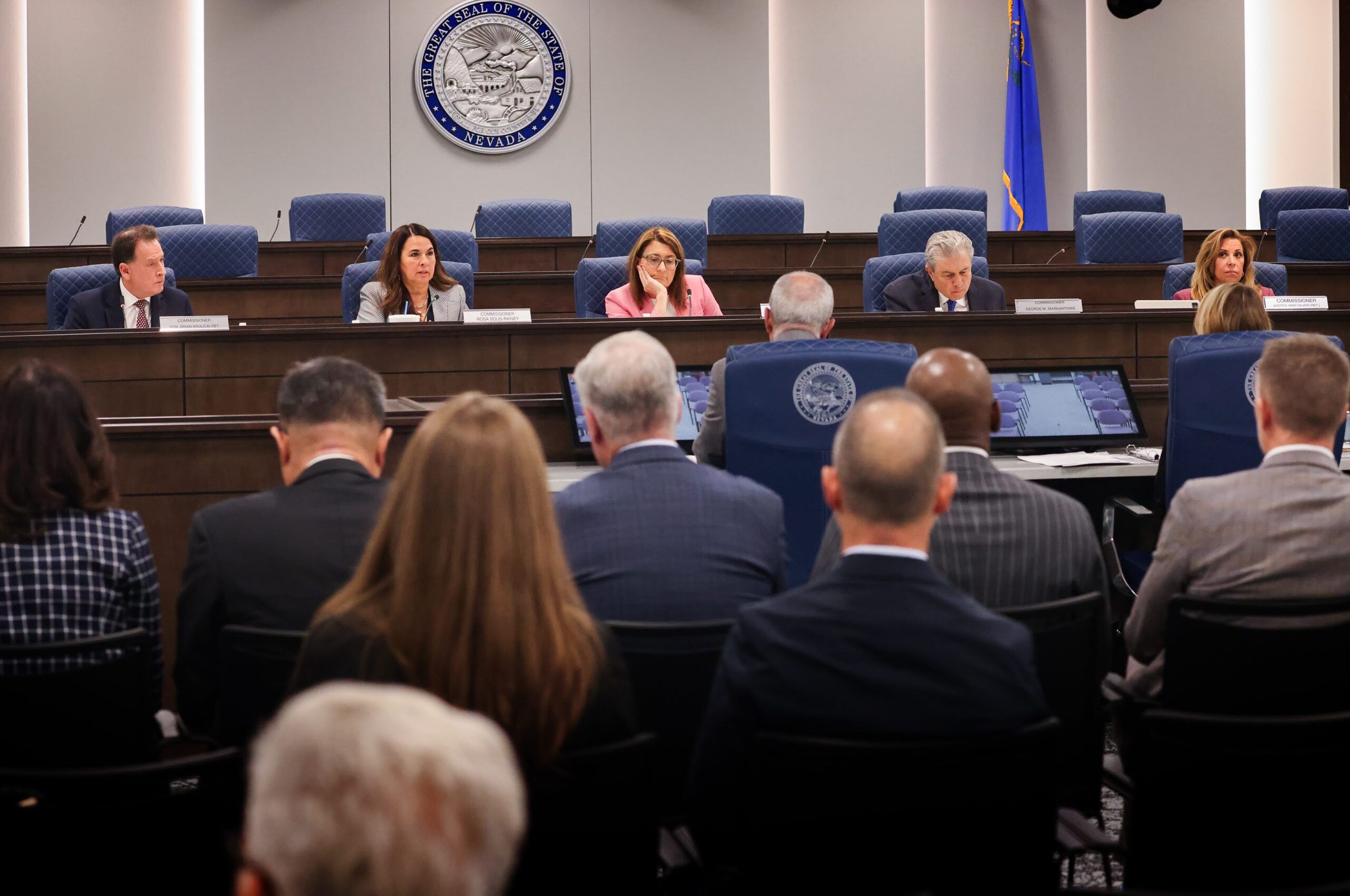
Nevada Gaming AML Reforms: What Operators Need to Fix Now
Casino compliance teams in Nevada are staring at proposed updates to Regulations 5 and 25 that sharpen anti-money laundering expectations. The proposed Nevada gaming AML reforms push tighter customer due diligence, clearer suspicious activity monitoring, and more explicit independent testing. You cannot wait for final votes to start adjusting controls, because remediation timelines shrink when regulators move this quickly. The question is how to translate the draft language into daily practice without blowing up operations or guest experience.
What Changes Hit First
- Enhanced CDD rules push for clearer risk scoring and refreshed KYC triggers.
- Independent testing must expand beyond IT to process effectiveness.
- Patron transaction logging needs tighter thresholds and audit trails.
- Marketing and cage teams face new training coverage expectations.
One clean step can save a future consent order.
Nevada gaming AML reforms: What changes are on the table
The proposed edits to Regulation 5 clarify that AML programs must be risk based and documented, not oral lore. FinCEN already wants that, but now state regulators will mirror the federal tone. Draft tweaks to Regulation 25 add language on timely suspicious activity escalation. It is the compliance version of tightening the bolts on a bridge before traffic increases.
“Demonstrable, repeatable AML controls beat ad hoc heroics when regulators show up.”
Expect deeper scrutiny on how you score high-risk patrons and when you refresh identity data. Think of it like a chef who must retaste a sauce after every new ingredient; consistency matters more than flair.
How to brace for Nevada gaming AML reforms
- Map risk triggers: Document every threshold that forces enhanced due diligence and link it to a control owner. This keeps auditors from asking, “Who decided this?”
- Modernize monitoring rules: Calibrate alert scenarios to local play patterns so you do not drown in false positives. Use weekend-volume baselines separate from weekdays.
- Tighten audit trails: Ensure cage, credit, and marker data roll into a single log with user stamps. Without it, your investigation files will look like a messy locker room.
- Test beyond tech: Independent testing should validate training completion, escalation timeliness, and SAR narrative quality, not just system uptime.
- Retrain the front line: Marketing hosts and cage cashiers need scenario-based refreshers (not just annual slide decks) to spot structuring and third-party play.
Data you should not ignore
Revisit CTR and SAR quality reviews. Are narratives specific on source of funds, occupation, and play behavior, or do they read like templates? Regulators notice. And how often do you sample denied transactions to see if they should have generated alerts?
Dealing with board and exec pressure
Leadership wants speed, but you need coverage. Align budgets by showing how a missed SAR can cost more than a new monitoring module. The math is simple and persuasive.
Here is the thing: a rhetorical question belongs here, so ask yourself—would your current AML program survive a surprise multi-agency exam?
Proof points and timelines
Track your progress in 30, 60, and 90-day sprints. In 30 days, finish your gap assessment. By 60, retrain staff and retune alerts. By 90, run an independent test cycle and fix what breaks. This cadence shows regulators you are not waiting for final rule text to act.
Independent validation matters because it separates wishful thinking from evidence. Just like a sports team reviews game tape, you need to see where your defense actually failed.
Risks if you stall
Delay invites higher exam scope, potential fines, and mandated monitors. It also hurts guest trust when investigations drag out. Balancing friction and detection is possible, but it demands deliberate design.
Looking ahead
Adopt the proposed Nevada gaming AML reforms as a floor, not a ceiling, and you will stay ahead of both state and federal expectations. Start now, measure everything, and keep your playbook ready for the next regulatory tweak.