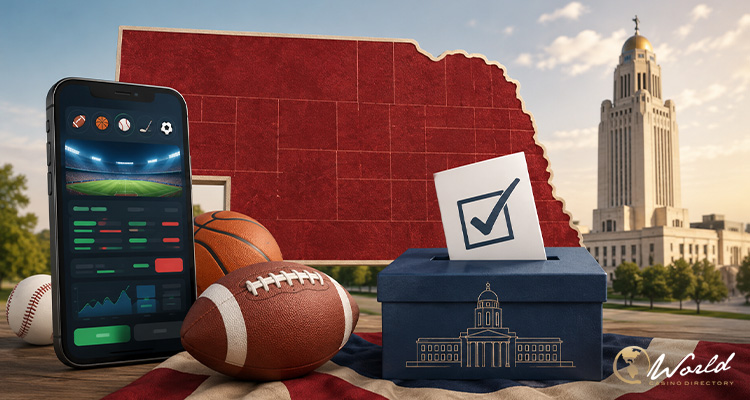
Nebraska Online Sports Betting Faces Voters
Nebraska online sports betting is heading to the ballot, and that matters because the state is still stuck with a limited legal betting setup while residents already have easy access to offshore books and neighboring markets. If voters approve the measure, Nebraska could move from a half-step gambling system to something far closer to what most other U.S. states already allow. If they reject it, the gap between consumer demand and legal access stays wide. That gap is where the problems live. Tax revenue, consumer protections, and enforcement all sit on the same table here. And the question is simple: should Nebraska keep sending bettors outside its own system, or build one that keeps the money and the rules at home?
What voters need to know
- Online sports betting would only become legal if Nebraska voters approve the measure.
- The vote would shape whether residents can wager from phones and laptops instead of relying on retail-only options.
- Neighboring states already offer broader legal betting access, which puts pressure on Nebraska lawmakers.
- The decision also affects tax policy, licensing, and how the state polices unlicensed operators.
Why Nebraska online sports betting is on the ballot
Nebraska has taken a slow road on gambling expansion. Retail sports betting became legal after the state authorized casinos, but mobile betting is a different beast. It is easier to use, easier to scale, and much harder for lawmakers to ignore once nearby states offer it.
That is why the ballot route matters. Instead of waiting for the legislature to force the issue, voters may decide whether the state should allow online wagering at all. This is not a small policy tweak. It is the digital version of opening a new lane on a crowded highway.
Mobile betting changes the market fast. Once you allow wagers on phones, you change how people bet, where they bet, and how state regulators monitor the action.
What Nebraska online sports betting could change
Legal mobile betting would likely bring three immediate shifts. First, it could move casual bettors into the legal market. Second, it could give the state a cleaner way to collect taxes and oversee operators. Third, it could force local casinos and their partners to compete on price, promos, and app quality.
That competition matters. A bad app loses users. A clunky registration process loses users. And if Nebraska sets the rules too tightly, offshore sites will keep pulling traffic away with fewer friction points and looser verification.
Where the money goes
Tax revenue is the headline, but it is not the whole story. States with legal online sports betting often use the proceeds for public programs, regulatory costs, or broader state budgets. Nebraska would have to decide whether revenue growth is worth the tradeoffs that come with a larger gambling footprint.
Expect lawmakers to focus on licensing fees, tax rates, and the share that would stay with casino partners. That part will be fought over hard. Why? Because the math decides who gets paid, and who gets squeezed.
How Nebraska compares with other states
Most states that legalize sports betting now include mobile access. That has become the standard, not the exception. States that stop at retail-only betting usually find that most of the action leaks elsewhere, either to nearby jurisdictions or to unregulated operators.
Nebraska is close enough to larger betting markets that residents can already cross a border in a few hours and place bets legally in another state. That creates a practical pressure lawmakers cannot wish away. It is a bit like building a stadium with only half the seats. The crowd still shows up, but they have nowhere to sit.
- Legal access keeps betting inside the regulated system.
- Mobile access usually drives the highest share of handle.
- Retail-only models tend to capture less of the market.
- Offshore books remain a problem when legal options are too limited.
What could block approval
Support for gambling expansion is never automatic, even when the revenue pitch sounds tidy. Some voters will worry about problem gambling. Others will object to more ads, more betting volume, or more state dependence on gaming taxes. Those concerns are real, even if they are not always framed carefully in campaign messaging.
Lawmakers and advocates will have to show how responsible gaming tools, age verification, deposit limits, and self-exclusion programs would work in practice. If they cannot, skepticism will grow fast. People do not trust vague promises in this area. They trust specifics.
What happens if the vote passes
If Nebraska voters approve the measure, the state would still need rules for licensing, oversight, and launch timing. That process can take months. Regulators would likely need to spell out which companies can operate, how taxes will be collected, and what consumer protections must be built into each app.
And yes, the details will matter more than the slogan. A well-written law can still fail if the rollout is messy, and a rushed market can create headaches for bettors and regulators alike. The state would need to move like a good coach, not a loud one. Set the lineup. Stick to the plan.
Where the real test begins
Nebraska online sports betting is not really about whether adults can place a bet from a phone. That part is already settled in much of the country. The real test is whether Nebraska wants to run a regulated market or keep pretending that demand will disappear on its own.
That choice will shape the next phase of the state’s gambling policy. If voters say yes, lawmakers get a chance to build a system with guardrails and revenue. If they say no, the pressure does not vanish. It just keeps knocking at the door.
So what does Nebraska want more, control or delay?