NCAA March Madness trademark lawsuit puts DraftKings on notice
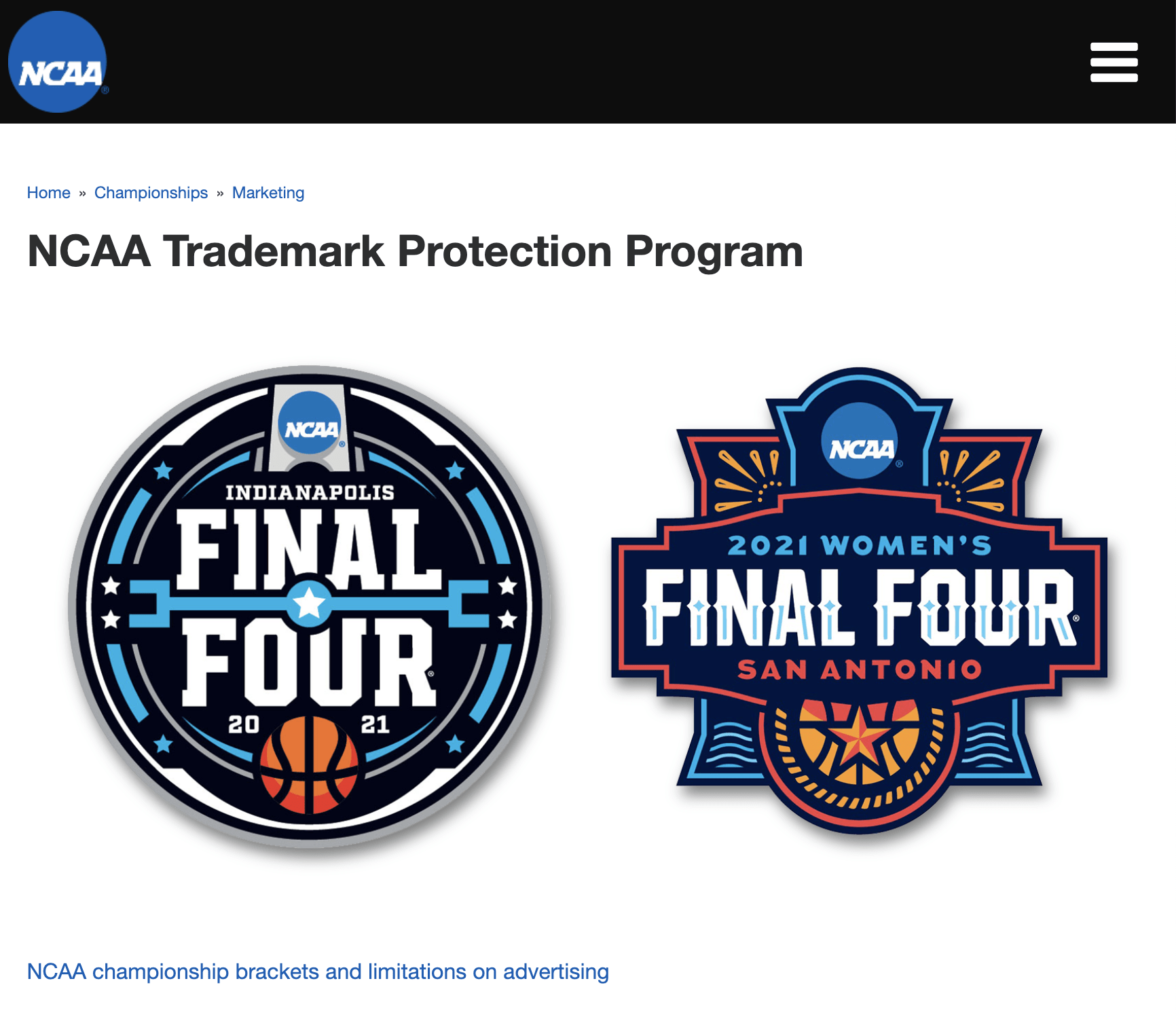
DraftKings just met the other team in court, and it is the NCAA wielding a stack of trademark registrations. The NCAA March Madness trademark lawsuit alleges the sportsbook sold parlay products that leaned on protected phrases while March Madness was in full swing. You care because tournament season drives a seismic share of betting handle, and an injunction could reshape how books market their biggest weeks. The complaint lands while regulators already eye promo language, so sloppy branding can now draw both lawsuits and license scrutiny. Who wants to explain that to a board?
What matters right now
- NCAA alleges DraftKings used “March Madness” and related marks in parlays without permission.
- The filing seeks an injunction and damages tied to the promotional bump.
- Any book using tournament IP without a license risks similar claims.
- Marketing teams must scrub copy fast with counsel sign-off.
The NCAA’s complaint spells out a simple point: pay for the marks or stay away from them.
NCAA March Madness trademark lawsuit: what is at stake
The suit was filed in Indiana federal court, mirroring prior NCAA fights with apparel and media brands. DraftKings allegedly bundled “March Madness” language into same game parlays, even after receiving a cease-and-desist. That timing matters because willful use can boost statutory damages. Think of it like stepping over a taped-off baseline in basketball; once warned, every footfall looks intentional.
One-sentence paragraphs carry weight.
How DraftKings might respond
Expect the book to argue nominative fair use, saying it only referenced the tournament to guide users. But fair use usually requires necessity, limited use, and clear disclaimers. Courts rarely buy it when the mark is in a product name that drives sales. And judges care about consumer confusion more than marketing convenience.
Possible settlement paths
- License the marks for the rest of the tournament window.
- Strip all protected terms and replace them with generic descriptions like “college basketball tourney.”
- Pay a negotiated fee tied to past promos and accept monitoring.
MainKeyword compliance and the broader playbook
Sleeper risk: state regulators. Even if DraftKings beats the NCAA on trademarks, a regulator could view the same promos as misleading advertising. That invites fines or temporary promo freezes. Remember how coaching a youth team requires strict roster rules? Sports betting ads now face similar structure, and violations draw quick whistles.
Books should build pre-launch checklists that route every campaign through legal review, especially around marquee events. Document the licensed terms, the unlicensed but descriptive references, and the disclaimers. Rotate creative language to avoid looking like a clone of a protected brand. And keep records; discovery demands can be brutal.
Implications for rival sportsbooks
If the NCAA lands an injunction, rivals get two takeaways. First, licensed partners gain an obvious marketing edge because they can use the marks with confidence. Second, unlicensed books must pivot to safer language or risk copycat suits. A cautious approach now beats an emergency rebrand mid-bracket.
Will this chill creative promos during tournament season? Possibly. But disciplined operators will still find ways to hype the action without poking the trademark bear.
Where this heads next
The court will set an early hearing on the injunction request, and discovery should be quick because the promo assets are timestamped. I expect DraftKings to seek a quiet settlement before the Final Four to keep customer messaging stable. If talks fail, the case becomes a template for leagues guarding event IP against betting firms.
Look, this fight is a reminder that betting growth now depends on legal hygiene as much as product flair. Do you really want a judge dictating your promo calendar?