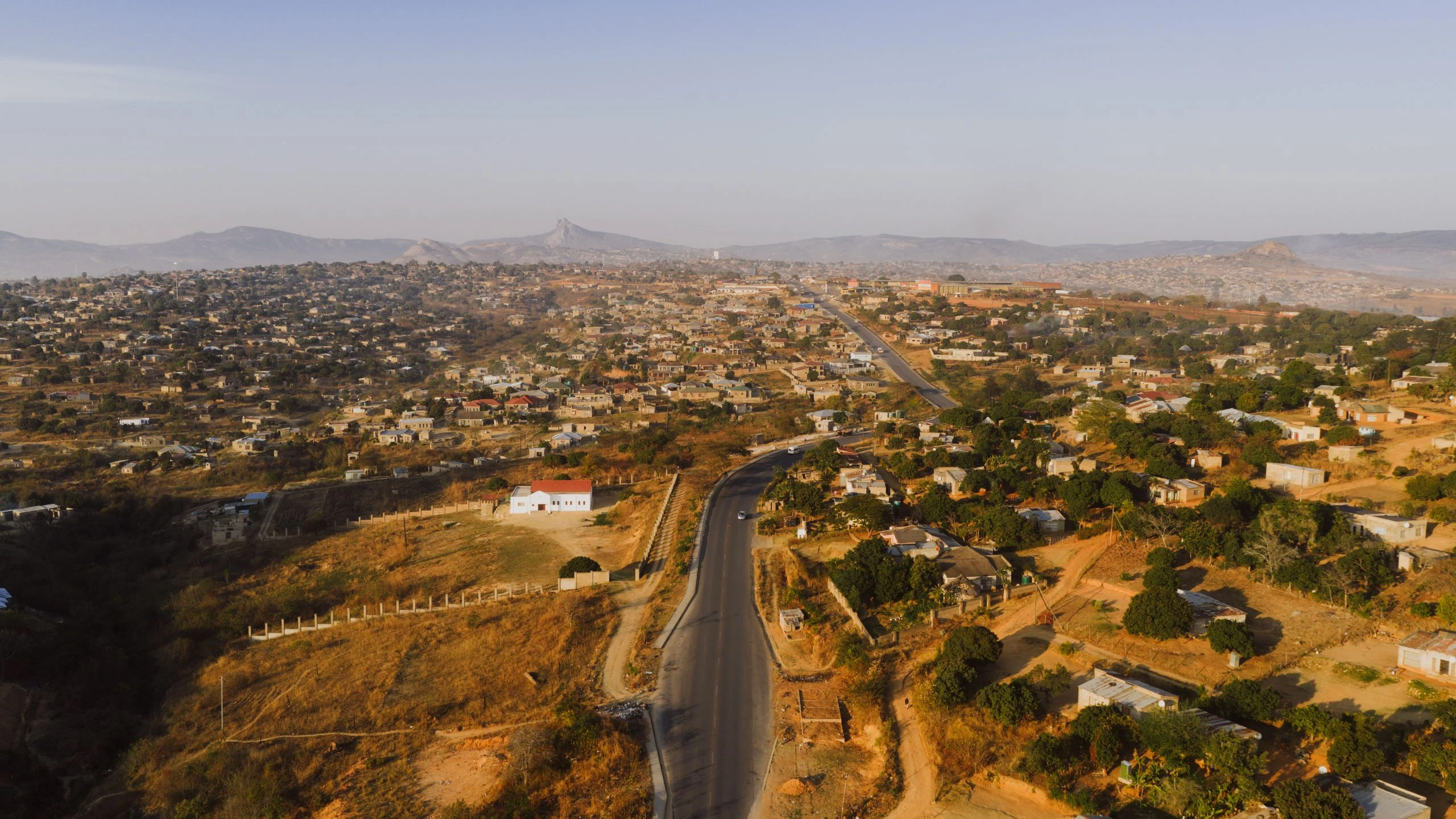
Mpumalanga Gambling Sector Punches Above Its Weight
The Mpumalanga gambling sector keeps doing something that should make bigger markets pay attention. It is small on a national map, yet it keeps attracting serious spend, steady visitor traffic, and regulatory attention. Why does that matter now? Because the province shows how location, tourism, and licensing discipline can matter more than size alone. If you run an operator, work in compliance, or track African gaming markets, this is not a side story. It is a useful case study in how a provincial market can stay relevant without shouting the loudest. And yes, there is a lesson here for anyone still assuming that scale always wins.
What the Mpumalanga gambling sector is getting right
- It sits close to tourist flow, which gives casinos and related venues a built-in audience.
- It benefits from regional draw, not only local demand, which helps smooth out softer trading periods.
- It operates in a market where compliance matters, so licensing and oversight are not side issues.
- It shows how smaller jurisdictions can still compete when they match product mix to footfall.
The basic formula is not glamorous. Put the right product in front of the right visitor, keep the rules clear, and do not let the market drift. That sounds simple, but it is the sort of discipline many larger gambling hubs struggle to keep. A provincial market can be like a well-run restaurant in a busy train station. You do not need the biggest kitchen. You need the right menu, clean service, and a constant flow of people.
Why the Mpumalanga gambling sector keeps punching above its weight
Mpumalanga has geography on its side. The province connects with tourism routes, game reserves, and travel corridors that feed entertainment spend. That matters because gambling revenue often follows movement, not just population density.
There is also a regulatory angle. A market that is closely watched tends to build better habits around licensing, reporting, and operational discipline. That does not make the sector perfect. It does make it harder for weak operators to hide.
“Small markets can outperform when they sit inside a larger traffic pattern. Gaming revenue often follows where people already go.”
Look at it this way. A casino floor is not unlike a stadium concourse. If the crowd is already there, the challenge is not creating demand from zero. It is converting passing interest into spend without cutting corners.
Why compliance is part of the growth story
This is where a lot of outside observers get lazy. They treat compliance as a brake on growth. That is a mistake. In a sector like this, clean licensing, predictable oversight, and enforcement consistency help operators plan, finance, and invest.
For the Mpumalanga gambling sector, credibility is part of the product. If regulators are seen as inactive, the market can sour fast. If they are seen as strict but fair, the market becomes easier to trust. That trust helps the province hold onto serious operators instead of speculative ones looking for a quick exit.
What operators should watch
- License conditions. Small rule changes can have a big effect on margins.
- Advertising controls. Promotional spend must fit the local framework, not just the brand playbook.
- Reporting obligations. Missed filings create friction fast, and friction is expensive.
- Responsible gambling expectations. These are no longer optional extras. They are part of market access.
And there is another point. Regulators in smaller provinces often get judged on whether they can balance growth with control. That balance is hard. But it is also where market quality comes from.
What the Mpumalanga gambling sector means for the wider South African market
Mpumalanga is not trying to outmuscle Gauteng or the Western Cape on scale. That is not the game. Its value lies in showing that a provincial market can remain commercially meaningful when it anchors itself to tourism, venue quality, and compliance stability.
For the broader South African sector, that has a practical implication. Operators cannot just copy-paste a national strategy and expect local results. They need to read the traffic, the regulation, and the spend profile in each province. If they do not, they will miss the obvious. And the obvious is often where the money is.
The market also raises a larger question. If a smaller jurisdiction can sustain relevance through smart positioning, what excuse do bigger ones have when their own performance stalls?
What happens next for the Mpumalanga gambling sector
The next phase will likely depend on three things. First, whether tourism remains healthy. Second, whether regulators keep standards tight without choking investment. Third, whether operators can refresh their offer without drifting into gimmicks.
That last part matters. Growth does not come from louder marketing alone. It comes from venues, service, and product fit that hold up after the novelty fades. The Mpumalanga gambling sector has already shown that it can compete on focus. The real test is whether it can keep that edge while the rest of the market keeps changing.
For now, the lesson is plain. Small does not mean weak. Not when the market is placed well, governed properly, and run with intent. Watch Mpumalanga closely. The next useful provincial playbook may already be there.