Minnesota’s Electronic Pull-Tabs: Tech, Law, and Bar Revenue
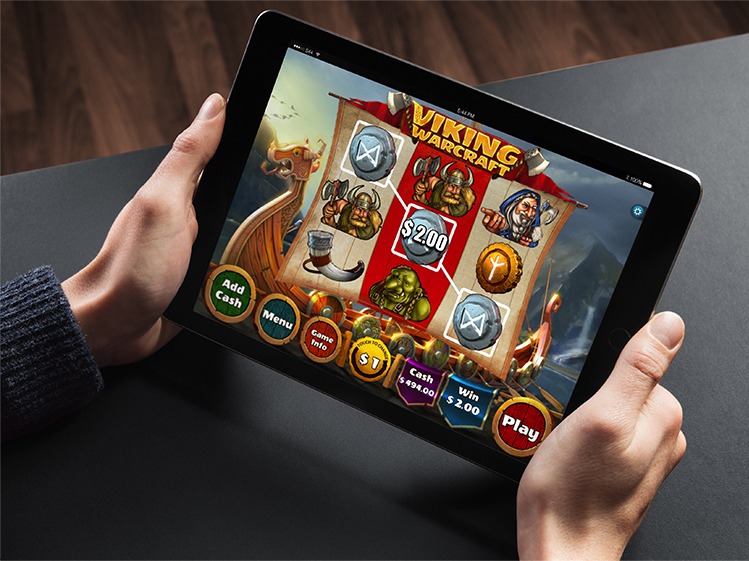
Minnesota electronic pull-tabs turned quiet bar corners into steady revenue streams, funding charities and drawing patrons who rarely touch traditional slots. You see touch screens, rapid play, and instant validation packed into a device small enough for a bartender to manage. That mix of convenience and charity tie-ins matters right now because lawmakers keep weighing stricter rules that could shrink a revenue line many rural bars rely on. The state’s Supreme Court weighed the machines against tribal exclusivity, and operators now scramble to meet new compliance checks without losing speed. Why should a bartender worry about firmware? Because every tweak in the rules ripples through donations, bar tabs, and player loyalty.
What’s Driving the Minnesota Electronic Pull-Tabs Boom?
- Speed and visibility: Players see outcomes instantly, keeping them engaged between rounds.
- Charity linkage: Local nonprofits get a slice, making the games more palatable to regulars.
- Compact footprint: Tablets fit on a bar, unlike bulky cabinets.
- Low staffing drag: Bartenders can monitor play while serving.
Highlights to Watch
- State-level scrutiny over whether animation and rapid play mimic slots.
- Pressure from tribal casinos defending exclusivity agreements.
- New compliance features that slow play and cap auto-launch functions.
- Bars balancing charity revenue with player retention when rules tighten.
How the Tech Actually Works
The machines use pre-seeded pull-tab sets approved by regulators, then display results through slick interfaces. A central server tracks sales, redemptions, and charity allocations. Encryption and device IDs tie every ticket to an audit trail.
Regulators like digital fingerprints because they pinpoint every wager and payout with timestamp-level precision.
One sentence paragraphs matter.
Think of the system like a bar kitchen line: tickets come in, cooks (servers) work through them, and the head chef (central server) checks every plate before it leaves the pass. Players never see the back-end, but timing and accuracy keep the line moving.
Main Risks for Bars Running Minnesota Electronic Pull-Tabs
Here are the questions every operator keeps asking: what happens when a rule change slows play, and does the revenue gap get backfilled by food or beer sales? If payouts lag, regulars notice.
- Compliance updates: firmware patches can throttle auto-play and add mandatory pauses.
- Cash flow timing: charities expect distributions; delays invite scrutiny.
- Player churn: slower cycles may push patrons toward nearby tribal casinos.
- Staff training: bartenders need quick primers on lockouts and error codes.
Regulatory Shifts and Their Impact
After court challenges, the state demanded less slot-like behavior: fewer flashy animations, no open-all functions, and clearer ticket-by-ticket validation. Vendors responded with trimmed interfaces and longer tap sequences. That slows play but improves the audit trail.
Bars must now log device locations, keep paper backups of payouts, and confirm charity splits in a tighter window. The compliance load feels heavy, yet it also deters gray-market devices from creeping in. It’s a tradeoff: slower spins, cleaner books.
Revenue Math: Does the Model Still Hold?
Before restrictions, a busy bar might see steady pull-tab turns between innings of a Twins game. With new timing rules, those cycles dip. But food and beverage receipts often rise as patrons linger. It mirrors baseball strategy: shorten the swing, focus on contact, still move runners.
Ask yourself: if the machines pay out slower, do your patrons stay for another round, or do they head to a tribal floor for faster action?
Operational Playbook for Bar Owners
- Patch early: Apply vendor updates quickly to avoid shutdowns during spot checks.
- Train staff: Run short drills on error handling and ID checks.
- Promote charity links: Post how much your location raised this quarter to keep goodwill high.
- Balance floor mix: Pair pull-tab stations with high-margin appetizers to offset slower play.
What’s Next for Minnesota Electronic Pull-Tabs?
Expect further tweaks as lawmakers balance tribal agreements with bar revenue needs. Vendors may add clearer receipts, more visible odds, and pace limits to stay ahead of audits. Smaller bars that lean on this income should model best and worst cases now rather than wait for the next session.
Honestly, the window for easy money on digital pull-tabs is closing, but the format still fits neighborhood bars if they adapt.
Closing Thoughts
Look, the future of Minnesota electronic pull-tabs hinges on how fast operators accept slower play, clearer disclosures, and tighter oversight. The tech will stay because it funds local causes, yet the bar crowd will only tolerate friction if the night still feels fun. Adapt early, keep the games transparent, and your regulars will likely stick around.