Macau Junket Licences Edge Up but Still Trail the Cap
VIP rooms in Macau are inching back, and operators want clarity on how far they can go. The city just added two more approvals for Macau junket licences, putting a spotlight on how regulators balance revenue hopes against old compliance scars. High-roller play helps cover premium table costs, but oversight remains tight. Why keep a high cap when demand is weak? I have covered this beat for years, and the answer usually sits in the gap between policy caution and casino ambition.
Interest is rising because the 50-licence ceiling still dwarfs the active roster. For investors tracking premium volumes and player reinvestment, the pace of approvals signals how much risk Macau is willing to reintroduce. The headline looks simple: more licences. The nuance is sharper: the government is still pumping the brakes.
What to watch right now
- Licence count climbs, yet remains well below the statutory 50-cap limit.
- Regulators favor smaller junket teams to contain credit and AML exposure.
- Premium mass continues to outperform legacy VIP credit models.
- Operators test direct VIP programs as a hedge against promoter volatility.
Macau junket licences and the slow rebuild
Two fresh junket approvals move the total up, but the gap to 50 tells the real story. Authorities still prefer a narrow field that they can audit often. One licence does not revive the VIP heyday.
The cautious drip feels deliberate. Junket oversight now resembles a chef balancing spice: add enough to wake up the dish, not enough to burn the palate. Casinos get incremental access to credit-driven play, yet they know the government will yank the heat if compliance slips.
Macau is sending a plain signal: volume can return, but only at a pace regulators can police without repeating past AML failures.
Macau junket licences and the cap math
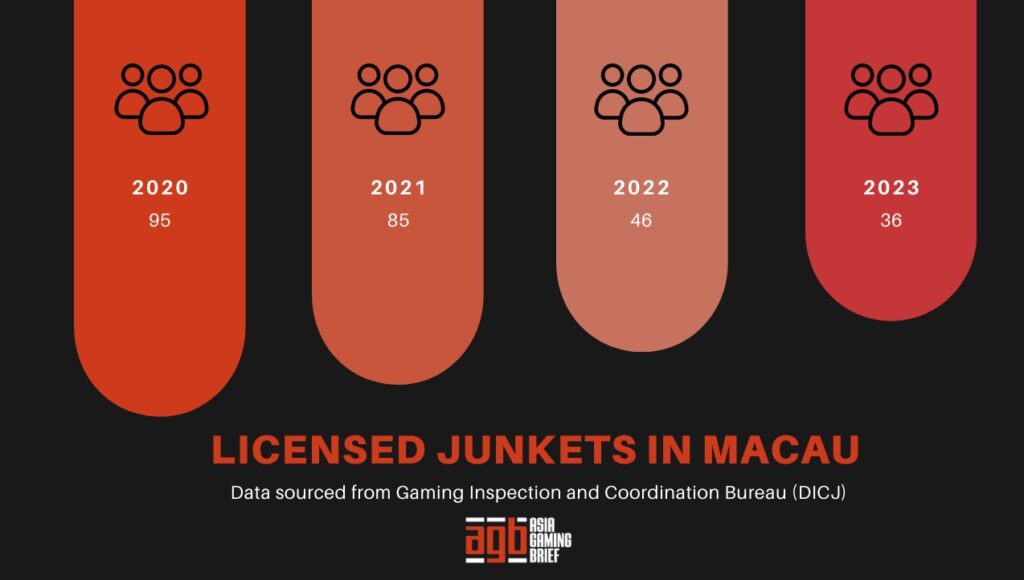
Current additions still leave the market far below the ceiling, which tells me the cap is a guardrail, not a target. The count hovered in the thirties after 2022 reforms, and creeping up by two does not change credit dynamics overnight. Direct VIP programs now carry more weight because casinos control player vetting and spend, even if margins shrink without junket credit.
Premium mass play keeps rising, and that revenue stream arrives without the same credit risk. But does that mean junkets fade out? Not yet. Some operators still value promoters for reach into smaller mainland cities where direct channels struggle.
Consider the optics: a high cap signals flexibility to Beijing, while the low active number reassures compliance teams. That tension will shape table allocations and staffing through the next fiscal year.
Practical moves for operators
- Model premium mass growth separately from junket credit to avoid overestimating recovery.
- Audit promoter partners monthly, not quarterly, and publish a brief compliance scorecard for boards.
- Test hybrid offers that blend direct marketing with selective promoter access in lower-risk segments.
- Align cage cash controls with the new licences before Golden Week traffic spikes.
Look, the market still remembers the seismic crackdown that gutted old-school junkets. Yet casinos cannot ignore any path that fills high-limit pits. Expect more tiny steps rather than a flood of new approvals, at least until tax receipts and compliance reports show a stable pattern.
What I am watching next
I want to see whether the next quarter brings fresh junket licence bids or a pivot to more direct VIP spend. If regulators trim the cap or freeze approvals, that will confirm this was a temporary experiment. If they accelerate, expect table mix to shift again. Are operators ready to adjust as fast as the referees change the rules?