Las Vegas NBA Arena Plan Puts Downtown Back in Play
Downtown Las Vegas has long lived in the shadow of the Strip, leaving you to wonder when fresh investment might finally cross Fremont Street. The proposed Las Vegas NBA arena plan answers that itch with a promise of a privately funded venue, new housing, and fresh foot traffic for sportsbook operators. It matters right now because other cities are courting the league, and local casinos need a new draw to keep high-value visitors from drifting to Phoenix or Los Angeles. As a reporter who watched T-Mobile Arena reshape the west side, I can tell you downtown has been waiting for its shot. Will this be the bid that convinces the NBA that Las Vegas can handle another big league stage?
Why This Bid Hits Different
- Mayor Goodman wants a downtown site instead of another Strip-side mega project.
- Funding claims center on private money, easing taxpayer fatigue after recent public subsidies.
- Promise of 20,000 seats could boost nearby sportsbooks and Fremont Street resorts.
- Timing presses the NBA as expansion chatter heats up for Seattle and Vegas.
What the Las Vegas NBA arena plan actually proposes
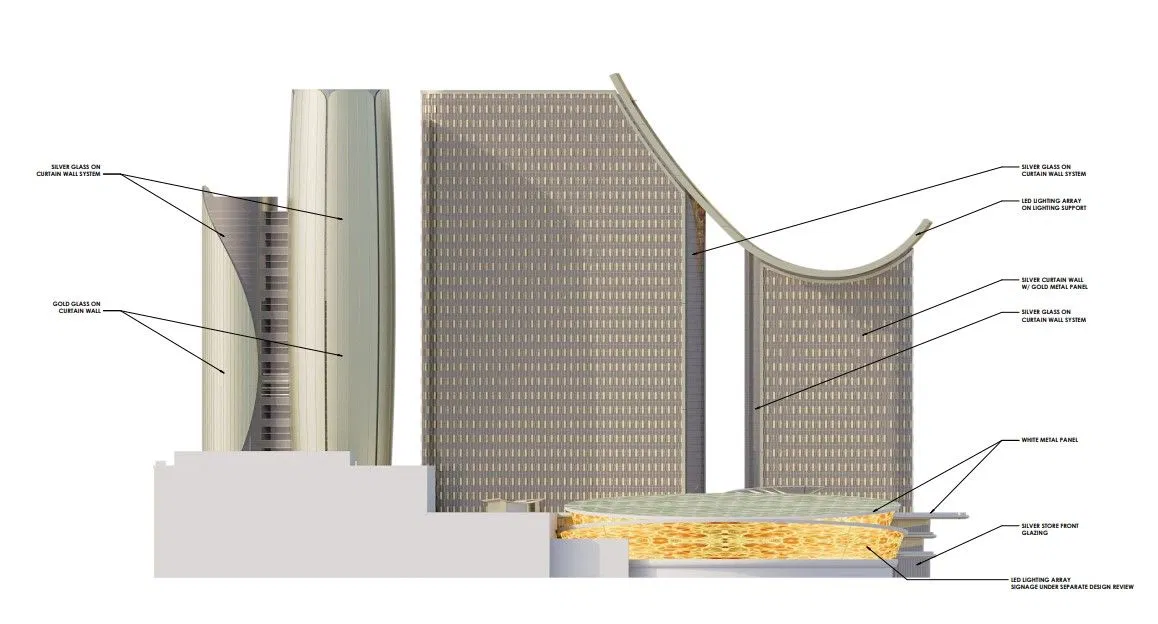
The pitch places a 20,000-seat arena on a city-owned parcel near the old Cashman Center, bundled with mixed-use retail and mid-rise housing. Think of it like moving a power hitter into the middle of the batting order: the surrounding businesses finally get protection. The mayor’s team insists the project leans on private capital with a lease structure that shields the city. I’m skeptical until a term sheet surfaces, but the intent to avoid new taxes is clear.
“Downtown is not a museum,” Goodman said. “It deserves a marquee.”
Silence from the league keeps the tension high.
How the Las Vegas NBA arena plan shifts downtown economics
Putting an NBA venue north of Fremont changes visitor flow. More fans parking and eating downtown means sportsbooks outside the Strip get a slice of pregame handle. Resorts can bundle tickets with rooms and blackjack vouchers, much like the Knights lifted T-Mobile-area bookings. The city also points to transit links that would relieve Strip congestion, though bus upgrades remain underfunded.
Picture it like adding a new kitchen line in a busy restaurant: throughput improves only if staffing and logistics keep pace. Without better pedestrian pathways and rideshare staging, postgame exits could gridlock Maryland Parkway. That is fixable, but only if planned early.
What still stands in the way
- NBA approval: The league has not confirmed expansion slots. Las Vegas competes with Seattle, and the board of governors moves cautiously.
- Financing proof: Private money claims need bank commitments. Without them, public subsidies creep back into the conversation.
- Community fit: Nearby neighborhoods want assurances on noise, parking, and rent pressure. The team must show real benefits, not just glossy renderings.
- Venue calendar: An arena needs 200+ events a year. Concert promoters and esports tours could fill gaps, but those deals are not automatic.
What it means for bettors and operators
Sportsbooks downtown stand to gain. More NBA action on home game days, more live betting, and higher parlay interest tied to a local franchise. But risk teams will need tighter lines and stronger in-game pricing to avoid sharp action from fans with inside injury info. Casinos should prep integrated offers: ticket plus buffet plus bet credit. Simple bundles move the needle.
Esports and mid-tier concerts could also pad the calendar, keeping hotel occupancy steadier in shoulder seasons. That steadiness helps operators manage staffing and promo budgets.
How to judge the next announcements
Look for three signals in the coming months: a signed land agreement, disclosed equity partners, and a clear transit plan. Without all three, the timeline slips. I also want to see a credible operations partner; arena management is its own craft.
Fans will ask: why not the Strip again? The honest answer is brand differentiation. Downtown needs its own anchor. And if the NBA likes the idea of two distinct entertainment corridors, Las Vegas jumps ahead of markets offering only one.
Quick checklist for stakeholders
- Request transparency on funding layers before public hearings.
- Model traffic with and without light rail upgrades.
- Secure memoranda with concert and esports promoters to prove calendar density.
- Engage neighborhood groups early (small wins here prevent lawsuits).
- Track state-level incentives that could quietly shape the deal.
Closing shot: will the league bite?
Here’s the thing: the NBA knows Las Vegas delivers gate receipts and broadcast buzz. The question is whether downtown infrastructure is ready today or still a few years out. If Goodman can lock funding and transit in tandem, the city makes a real case against Seattle. If not, this stays a sharp headline that never leaves the page.