Koin’s cashless casino payments land at Casino Pauma
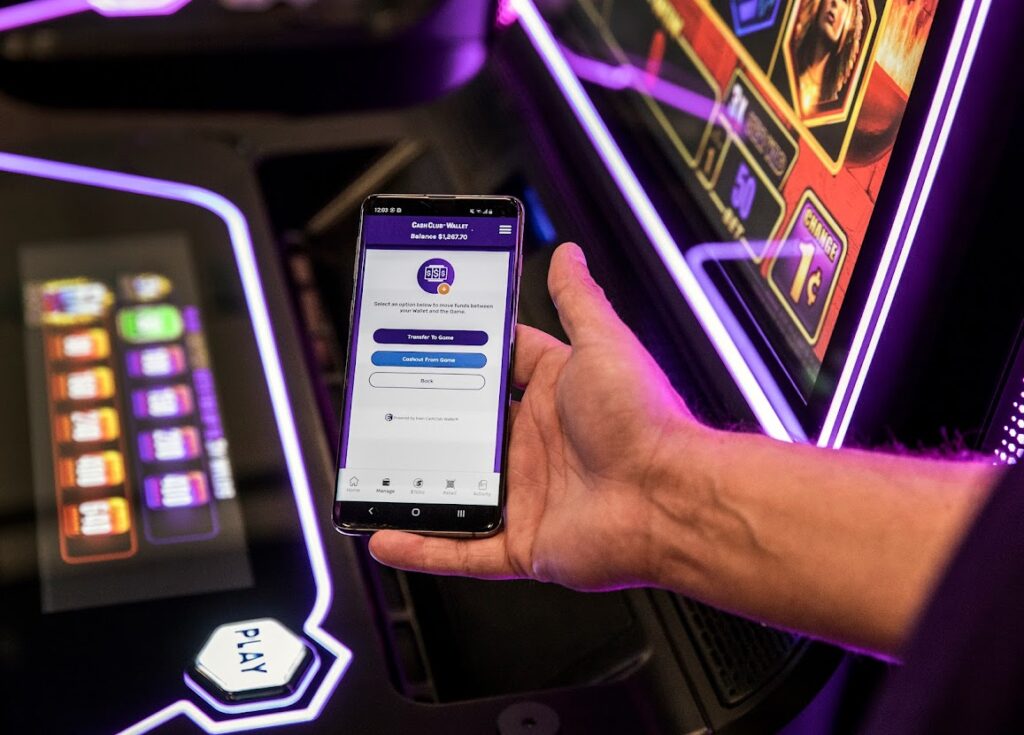
Cash handling still slows too many tribal floors, so the agreement between Koin and Casino Pauma hits at the right moment. The deal brings cashless casino payments into a property that has already piloted the tech with positive guest feedback. Faster bankroll access, tighter AML controls, and lower cashroom load make this more than a gadget; it is an operational shift. The pairing of the Pauma Band of Luiseño Indians with a third-party payment platform also signals confidence in outsourced fintech over homegrown wallets. I have covered enough false starts to ask: will this one stick?
What to watch
- Koin will deliver a full cashless payment services stack to Casino Pauma guests.
- Integration promises card-based funding and voucherless play across the floor.
- Tribal leadership uses the program to modernize without surrendering control.
- Compliance teams get clearer audit trails and configurable limits.
Why cashless casino payments matter now
Speed matters more than swagger.
Casino Pauma’s early run showed guests want quick rebuys and fewer trips to the ATM. And regulators keep pressing for sharper Know Your Customer and anti-money laundering checks. Cashless flows satisfy both: Koin’s stack routes funding through verified accounts, while the casino keeps transactional visibility. The move is closer to swapping a leaky faucet than installing a new kitchen; it fixes the most annoying drip first.
Inside the Koin and Casino Pauma agreement
The partnership covers card-based funding, digital wallets, and back-end reporting. Koin positions itself as a plug-in layer rather than a proprietary wallet, which reduces player friction. For a tribal operator that values sovereignty, that matters. The Pauma Band retains control of player data and sets spending limits. The tech supplier handles the heavy lifting on settlement and support. It is like hiring a seasoned pit boss to steady a rookie table; expertise without surrendering the room.
“Cashless is not a shiny add-on anymore. It is now the expectation for guests who already tap and pay everywhere else,” I noted after touring the floor last quarter.
Operational gains from cashless casino payments
Tribal floors run lean. Cutting armored pickups and counting errors frees staff for higher-value work. Guests avoid queues, hosts get real-time spend insights, and finance teams gain cleaner logs. Does it solve every pain? Not yet, but it trims the most obvious costs.
- Lower cash overhead: Fewer fills and drops trim labor and security expenses.
- Sharper compliance: Pre-verified accounts simplify AML audits and SAR prep.
- Player stickiness: Faster buy-ins keep play flowing without breaking session rhythm.
- Data leverage: Real-time dashboards let marketing test offers mid-shift.
Risk checkpoints for the rollout
Look, every cashless launch stumbles if user education lags. Training front-line staff to reset pins, explain funding caps, and troubleshoot failed loads keeps lines moving. Network redundancy is non-negotiable; a dead Wi-Fi node should not halt bankroll transfers. Think of it like a basketball team running a press—one missed rotation and the opponent scores easy.
How other tribal casinos should respond
Watch how Pauma measures success: load volume per guest, failed transaction rate, and opt-in conversion from cash to digital. If those metrics trend up, expect a regional copycat wave. Vendors will pitch hard, but ask for open APIs, data portability, and clear incident playbooks. And test with a slice of your slot bank before you flip the whole floor.
Where this could go next
Once cashless is stable, layering loyalty offers inside the funding flow becomes the next edge. Picture a reload prompt tied to free play or a buffet comp. The first mover who aligns payments with rewards, without creating friction, wins longer dwell time. The door is open.
The road ahead
Koin’s move into Casino Pauma raises the bar for cashless casino payments in Indian Country. If the rollout holds, it will force competitors to match security, speed, and sovereignty. Will guests embrace the shift quickly enough to justify the retrofit? The next quarter’s data will tell.