Kentucky sports betting bill reshapes track power and online market
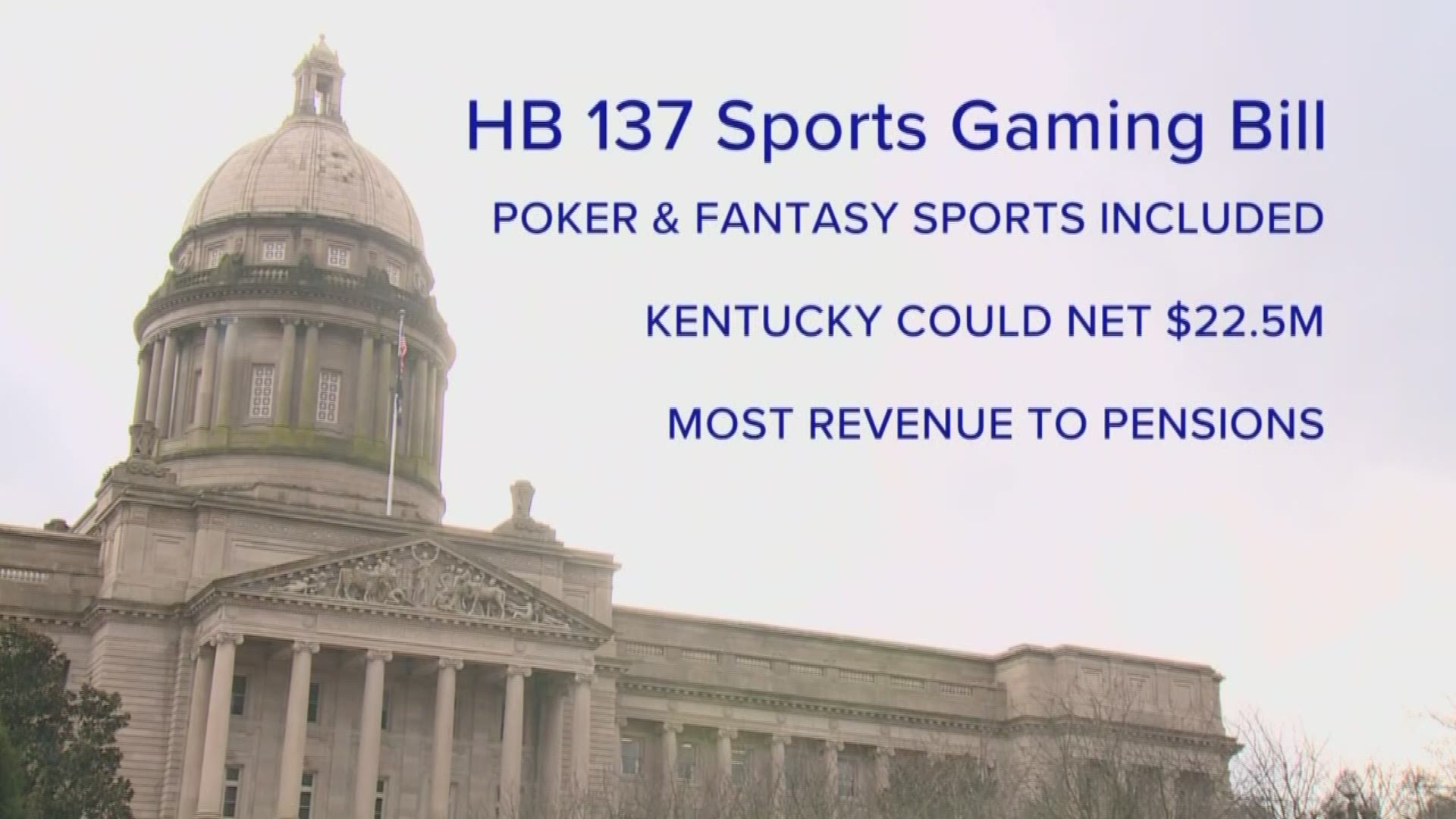
Kentucky sportsbooks are staring at a fast-moving bill that could rewrite how wagers flow through the state. The proposed Kentucky sports betting bill pushes more control toward racetracks, sets higher duties on promo credits, and signals that the honeymoon phase for operators is ending. Fans keep betting, but state leaders want a bigger cut and tighter oversight. The rush to the governor matters because the summer calendar leaves little time for adjustments, and any delay could push new rules into peak football season.
What to watch in the Kentucky sports betting bill
- Racetracks would gain deeper authority over online sportsbook partnerships.
- Promo deductions face sharper limits, trimming operator write-offs.
- New tax expectations arrive as handle growth slows.
- Regulators get clearer tools to audit and enforce compliance.
This bill could redraw the map.
How racetracks gain ground under the Kentucky sports betting bill
Tracks already hold the keys to market access, but the bill tightens the hinge. Under the proposal, each track can align with multiple online skins yet retains veto power over key operational decisions, similar to a coach deciding who stays on the field. That means national brands must keep local partners happy or risk losing their slot.
Track leverage increases because the statute would bind licenses more directly to host properties, not just to brand partners.
Look, this shifts bargaining power. Operators will face higher revenue-sharing demands, and smaller books might exit rather than accept thinner margins (a real possibility if promo caps bite). Who benefits if track control expands? The local stakeholders who already own the venues.
Impact on bettors and promos
Promo deductions would shrink, raising effective tax bills. Bettors will notice fewer splashy bonuses and more targeted offers. It is like a restaurant trimming the free bread basket to protect margins.
Tax mechanics and the fiscal pitch
Lawmakers pitch the higher promo cap as a way to stabilize tax receipts without hiking headline rates. The state wants predictable revenue to fund education and responsible gaming programs. But if operators scale back marketing, handle growth could plateau. The balance is delicate, and the bill wagers that mature markets need less subsidy.
And if mobile operators push back, expect fresh negotiations over rate tiers or carve-outs for new entrants. The legislators appear ready to call that bluff.
Regulatory teeth and compliance pressure
The bill gives regulators clearer audit authority and faster escalation paths. That reduces the lag between spotting suspicious patterns and acting on them. For bettors, stronger oversight should mean more confidence in payouts and dispute resolution.
Operators, though, must invest in reporting systems and staff. Think of it as upgrading a stadium scoreboard: the crowd gets better visibility, but the team pays for the hardware.
Data and integrity considerations
Integrity fees remain off the table, yet the compliance language leans on data-sharing mandates. Books will need to prove they can flag prohibited bettors and track unusual line movement, a non-negotiable expectation in a maturing market.
Race for timing and competitive edge
The legislative clock is ticking. Passing the Kentucky sports betting bill before the governor’s desk clears ensures rules land before kickoff. Delay, and the state risks a fractured rollout where some books adapt early while others scramble. In a game where parlay menus and pricing move daily, that timing gap can cost market share.
Honestly, operators that plan for the tighter promo math now will open the season stronger. Those who wait for clarity may find their rivals already courting high-value players.
What happens next
If signed, regulators will draft guidance within weeks, and tracks will renegotiate access deals. Players should expect leaner bonuses but steadier app experiences. The question is whether a track-first model delivers better oversight or just a narrower field of competitors. Smart bettors will watch the opening lines.