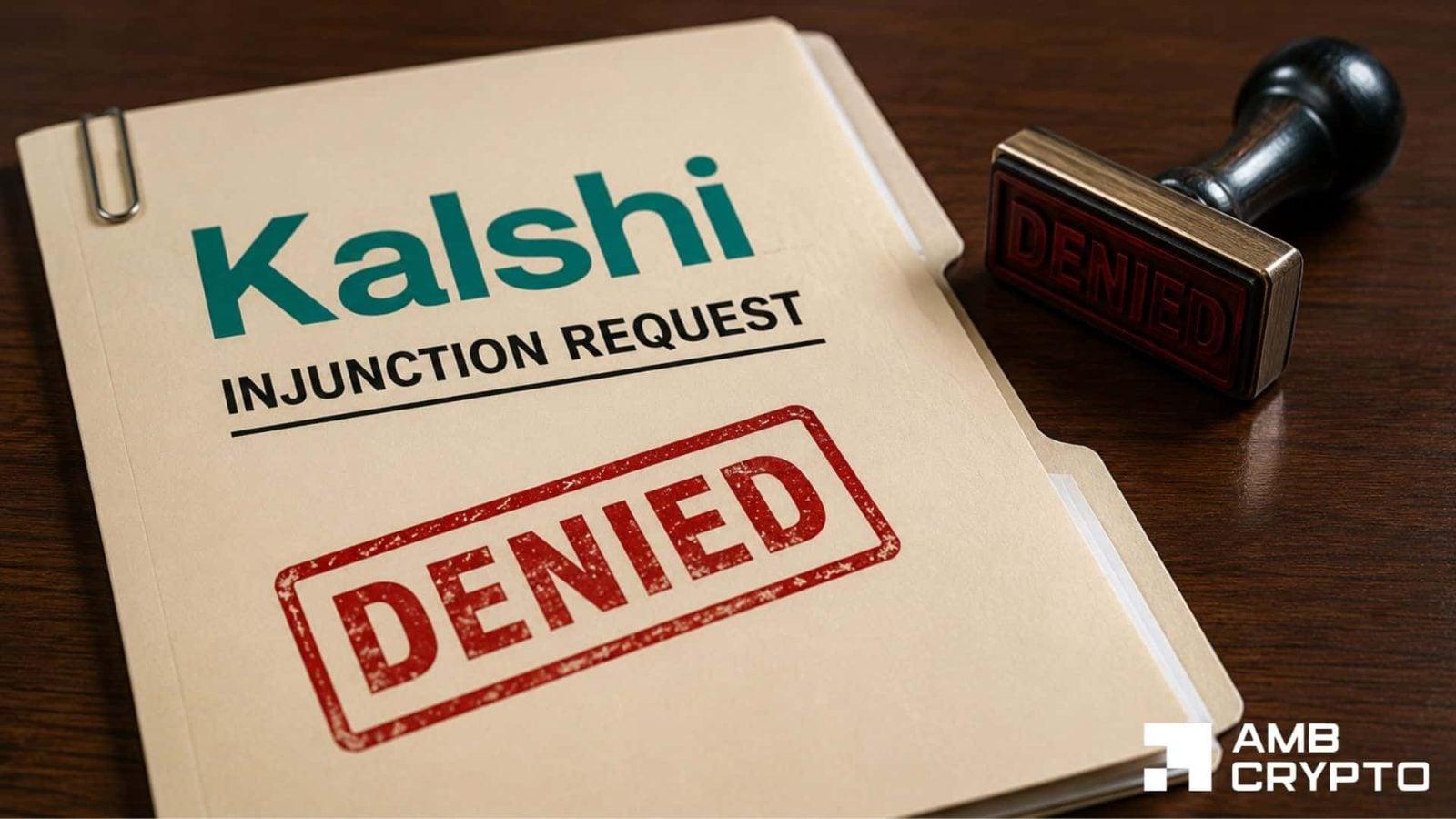
Kalshi Loses New York Injunction Bid
Kalshi wanted the court to stop New York from pressing ahead with enforcement against its prediction market business. The judge said no. That matters because Kalshi injunction New York is now more than a legal footnote. It is a live test of how far a federally regulated platform can push into state-by-state scrutiny, and whether prediction markets can scale without hitting a wall in one major state after another. If you follow betting law, fintech, or exchange regulation, this is the kind of ruling that can reset strategy fast. And yes, it raises a simple question. If a company cannot quickly freeze state action in court, how much room does it really have to grow?
What Stood Out in the Kalshi injunction New York fight
- The court denied Kalshi’s request for preliminary relief.
- New York can keep moving with its enforcement position for now.
- The ruling keeps pressure on prediction markets that operate near the line between finance and wagering.
- Federal approval does not automatically wipe out state objections.
- Other operators are watching closely because the outcome could shape their risk playbook.
Why the judge said no
The central issue was familiar to anyone who has tracked gaming and financial regulation. Kalshi argued that its federal status should shield it from New York’s action. The court was not persuaded that it had shown enough for an injunction. That means Kalshi did not clear the high bar needed to stop the state while the broader case plays out.
Look, injunctions are not routine relief. Courts want a strong showing of likely success, real harm, and a balance of equities that favors the applicant. Miss on any of those, and the request can fail. That is exactly what makes this ruling so useful as a signal. It says the company’s arguments may still live in the case, but they were not strong enough to shut the door on the state right now.
The practical takeaway is plain. Federal approval can help, but it is not a force field.
What Kalshi injunction New York means for prediction markets
Prediction markets sit in a strange place. They look like financial products to some regulators and like betting to others. That split is the whole game. Kalshi has argued for years that its contracts belong inside a federal framework, not under state gaming rules. New York clearly disagrees, at least at this stage.
This is where the analogy helps. A prediction market is not like building one house and calling it done. It is more like laying track across several counties. One permit does not guarantee the next county signs off. That is the headache here.
Why this ruling matters beyond New York
If New York can keep pressing, other states may feel more comfortable taking their own shot. That does not mean they will all win. But it does mean operators cannot assume a single federal license settles the matter everywhere.
For Kalshi and similar platforms, that changes the cost of expansion. Legal fights get expensive. Product launches slow down. Compliance teams get bigger. And investors tend to notice when a business model depends on winning repeated court battles instead of just growing volume.
Where the legal pressure could go next
- Kalshi can keep fighting the underlying case on the merits.
- New York can continue its enforcement posture unless a higher court changes course.
- Other states may study the ruling before deciding whether to act.
- Prediction market operators may narrow offerings, adjust marketing, or rework product design.
None of that is glamorous. But it is how regulatory fights usually move. First comes the injunction request. Then comes the slower, messier part, where everyone argues over statutory language, agency authority, and who gets to define the product in the first place.
Honestly, that is the real story. Not the headline. The slow grind.
What operators should watch now
Companies in this space should pay attention to three things. First, how the court treats the boundary between federal oversight and state enforcement. Second, whether New York sharpens its legal theory in response. Third, whether any appellate court steps in and gives the industry a clearer rule.
Compliance teams should also review how they describe event contracts, how they market them, and where they accept users. Small wording choices can matter when regulators are deciding whether a product looks like trading or betting. That kind of detail is not cosmetic. It can shape the whole case.
The real risk for prediction markets is not just one loss in New York. It is the possibility that every state now sees a path to challenge the same model.
What happens next in Kalshi injunction New York
The next phase will likely turn on deeper arguments about federal preemption, commodity-style regulation, and the limits of state gaming law. That sounds dry. It is not. It is the core of whether prediction markets can grow into a national business without fighting fifty separate battles.
For now, New York has the upper hand on this motion. Kalshi has work to do. And the rest of the market has a clear message to read between the lines. The next test is coming, and the companies that survive it will be the ones that plan for a longer legal war, not a quick win.
Who is ready for that level of regulatory drag?