Ireland Lottery Betting Costs Good Causes €81m
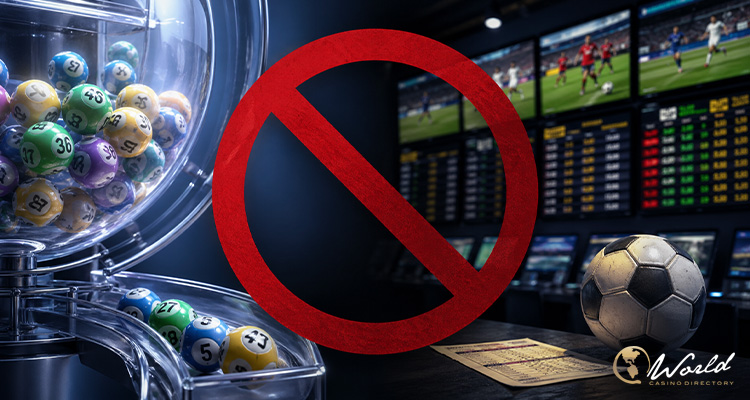
If you follow Ireland lottery betting, the latest numbers should get your attention. Betting on lottery outcomes, rather than buying official National Lottery tickets, has diverted an estimated €81 million away from good causes in Ireland over the past decade. That matters because National Lottery proceeds help fund sport, culture, heritage, and community projects. When money shifts to betting operators, those public benefits shrink.
Regulators and lottery stakeholders have argued this for years, but the fresh estimate sharpens the argument. It turns an abstract policy fight into a simple question. How much public money leaks out when consumers place lottery-style bets outside the official system? For lawmakers, operators, and anyone watching gambling policy, this is no side issue. It goes to the heart of how Ireland balances consumer choice, competition, and public funding.
What stands out
- Estimated impact: Good causes in Ireland missed out on about €81 million over 10 years.
- Core issue: Ireland lottery betting lets consumers wager on lottery results without buying official tickets.
- Why it matters: Official National Lottery sales support public-interest funding. Betting products do not feed that same pot.
- Likely pressure point: The figure could strengthen calls for tighter rules around lottery betting products and marketing.
What is Ireland lottery betting, exactly?
Lottery betting is not the same as entering the official draw. You are placing a bet with an operator on the outcome of a lottery, such as matching numbers drawn in a major jackpot game. If your numbers hit, the operator pays out under its own terms. The official lottery operator gets nothing from that transaction.
That distinction is the whole fight. A regular ticket sale sends money into the National Lottery system, where a slice supports good causes. A bet on the result does not. Think of it like buying a ticket to a match versus betting on the score from your sofa. One directly funds the event. The other does not.
Small difference on paper. Big difference in public finance.
Why the €81m estimate matters in Ireland lottery betting
The headline number gives policymakers something concrete to work with. Debates around gambling rules often drift into vague claims about consumer freedom or market fairness. But €81 million is blunt. It says the cost is measurable.
According to the report covered by iGaming Business, the estimate spans 10 years and reflects money that could have gone to good causes if consumers had bought official lottery products instead of using lottery betting services. That does not mean every euro wagered on these products would have turned into lottery revenue. Some would not. Still, the estimate frames the scale of substitution in a way few policy papers manage.
Here is the real policy tension: should lottery-style betting be treated like normal market competition, or like a product that drains a public funding stream?
Honestly, that question will shape the next phase of the debate more than any marketing slogan from operators.
Who loses when lottery bets replace ticket sales?
The obvious loser is the good causes fund attached to the National Lottery. In Ireland, those proceeds support a broad mix of public and community activity. Sport bodies, local projects, arts groups, and heritage programs all depend on that pipeline to some degree.
And there is a second-order effect. If lottery funding dips, governments face pressure to fill gaps elsewhere or let projects run thinner. Neither option is painless.
Areas likely affected by weaker lottery returns
- Community grants and local development support
- Sports funding at grassroots and elite levels
- Arts and cultural initiatives
- Heritage and public-interest programs
That is why lottery protection arguments tend to carry political weight. The beneficiary list is wide, visible, and hard to dismiss.
Why regulators care about Ireland lottery betting now
Ireland is already in a period of gambling reform, with sharper focus on licensing, advertising, and consumer protection. Lottery betting lands in that wider shift. It raises questions about product labeling, brand confusion, and whether consumers fully understand they are not buying an official ticket.
Look, regulators do not usually move because of one headline alone. They move when three things line up: political pressure, a clean public-interest case, and numbers that are easy to repeat. This story has all three.
There is also a branding problem. If a lottery betting product too closely mirrors an official lottery in name, format, or presentation, critics argue it can blur the line for players. That concern has surfaced in multiple markets over the years, not just Ireland.
Could tighter rules actually work?
Maybe, but only if the rules target the real weak spots.
A blanket attack on betting products is easy to pitch and harder to enforce. More practical measures would focus on how these offers are marketed, how clearly they are labeled, and whether certain forms of presentation create consumer confusion. Regulators could also look at restrictions on products that mimic the official lottery too closely.
What smarter policy could include
- Clear disclosure: Prominent wording that the product is a bet, not an official lottery entry.
- Marketing limits: Rules on language, branding, and visuals that resemble National Lottery games.
- Product design checks: Review of formats that track official draws number-for-number.
- Consumer data review: Evidence on whether players understand the difference at point of purchase.
That last point matters more than people admit. If consumers knowingly choose a betting product, the policy case looks different. If they are confused, it gets stronger fast.
The operator argument deserves a fair hearing
Operators in this segment would likely say they offer a legal product in a competitive gambling market, and that adults should be free to choose it. They may also argue that not every lottery bet displaces a lottery ticket sale, which is a fair point. Market substitution is rarely one-to-one.
But the freedom argument has limits in lottery markets because lotteries are not just another gambling vertical. They operate with a public-service logic. That makes them closer to regulated infrastructure than a normal betting product (even if they still compete for the same wallet).
So yes, there is a market argument. But there is also a public-interest counterweight, and in Ireland that counterweight looks pretty solid.
What happens next for Ireland lottery betting
The most likely next step is louder scrutiny, not instant prohibition. Expect more attention on how lottery betting is defined under Irish rules, how it is advertised, and whether existing law gives enough cover to protect National Lottery proceeds.
Could this spark broader European attention? Very possibly. Other jurisdictions have wrestled with similar tensions between betting operators and lottery monopolies or protected lottery structures. Once a concrete loss figure enters the public record, it tends to travel.
For industry watchers, this is the practical takeaway. If your business touches lottery-adjacent betting products, now is the time to review compliance language, customer messaging, and market exposure. Waiting for a formal crackdown is like waiting to fix a leaking roof until after the storm.
The next battle will be about proof
The €81 million figure is strong enough to drive headlines, but the next stage will turn on evidence. Can stakeholders show direct substitution? Can operators show informed consumer choice? Can regulators prove that current rules fail to protect the public funding model?
That is where this gets interesting. If stronger data backs the public-loss case, Ireland lottery betting could face tighter boundaries sooner than many operators expect. And if that happens, other markets may not be far behind.