Illinois Marketing Exclusion List Raises the Bar for Betting Ads
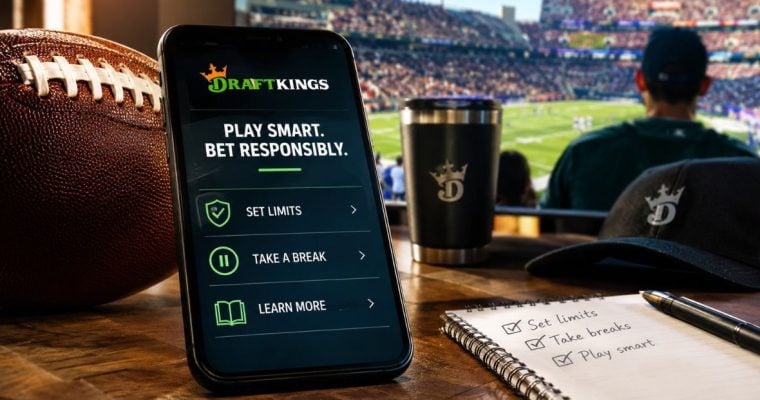
You can block gambling ads on one app, mute another, and still wake up to a promo email from a sportsbook you barely remember joining. That is the problem Illinois is trying to fix. The Illinois marketing exclusion list, reported by Legal Sports Report, gives the state a first-of-its-kind tool aimed at direct gambling promotions. It matters because betting ads have moved from billboards and TV spots into inboxes, push alerts, texts, and loyalty systems. Those channels are personal. They are also harder for consumers to escape. For operators, this is no small compliance tweak. It creates a new line between broad advertising and targeted marketing, and it puts responsibility on licensed companies to know who should not receive offers. Other states will be watching closely.
What Stands Out
- Illinois is moving first with a statewide marketing exclusion list tied to gambling promotions.
- The focus is direct marketing, such as targeted offers, emails, texts, and app-based promotions.
- Operators may need tighter controls across customer databases, affiliate programs, and CRM tools.
- This is separate from a full gambling self-exclusion program, though the two ideas may overlap in practice.
- The policy could become a model for other US betting and casino regulators.
What the Illinois Marketing Exclusion List Does
The Illinois Gaming Board has introduced a marketing exclusion framework that aims to stop gambling companies from sending direct promotional material to people on the list. According to Legal Sports Report, it is the first program of its kind in the United States.
The idea is simple enough. If someone is on the list, licensed operators should not target that person with betting or casino marketing. That means compliance teams now have to think beyond account status and wagering limits. They need to think about every promotional touchpoint.
Direct gambling marketing has become too precise to treat as background noise. If a company can target you, it can also be required to leave you alone.
This does not mean every gambling ad disappears for listed consumers. A person may still see a TV commercial, a stadium sign, or a general social media ad. The pressure point is direct contact, where an operator uses customer data or campaign tools to reach a specific person.
Why the Illinois Marketing Exclusion List Matters for Operators
Sportsbooks and online casinos run on customer data. They segment users by activity, location, deposit history, favorite teams, bonus response, and reactivation risk. That machinery is useful for revenue, but it also creates regulatory exposure.
Here is the thing. Many gambling companies built marketing systems faster than they built consent and exclusion controls. A betting app may suppress a customer from one email campaign while an affiliate, VIP team, or push notification tool still reaches the same person. That kind of gap is exactly where regulators tend to focus once a new rule exists.
Still, the signal is seismic.
Illinois is telling operators that marketing restraint belongs inside the responsible gambling toolkit. That is a meaningful shift. For years, states focused on age checks, geolocation, anti-money laundering, and self-exclusion from play. Marketing controls sat lower on the checklist, even as promotional pressure became one of the industry’s loudest consumer complaints.
How Sportsbooks Should Prepare
If you run compliance, marketing, or product at a licensed operator, this is not a job for one department. It touches CRM, legal, customer support, affiliate management, data engineering, and responsible gambling teams. Think of it like restaurant food safety. The chef matters, but so do storage, suppliers, labels, and the person cleaning the prep table.
Start with your data map
You need to know where marketing decisions happen. Most operators have more than one system sending messages. Email platforms, SMS vendors, push notification tools, ad audience exports, VIP dashboards, and affiliate feeds can all create risk.
- List every tool that can send or trigger direct marketing.
- Identify who owns suppression logic in each system.
- Check how often exclusion data refreshes.
- Test whether excluded users can still enter bonus campaigns.
- Document the audit trail for regulators.
Do not forget affiliates
Affiliate marketing is often the messy corner of betting compliance. Operators may control their own email systems, but affiliates can run newsletters, paid social funnels, odds pages, and bonus campaigns that push users toward a licensed brand. If Illinois expects operators to police promotional outreach connected to their license, affiliate contracts will need sharper language.
That means clear rules on suppression, data sharing, creative approval, and termination rights. A vague “follow all laws” clause will not be enough if a regulator asks who sent the message, who paid for it, and why the consumer was targeted.
What This Means for Bettors and Casino Players
For consumers, the Illinois marketing exclusion list could offer a cleaner way to reduce gambling pressure without relying on each operator’s settings. That matters for people who are trying to cut back, take a break, or avoid being pulled back by bonus offers. A $50 free bet can look harmless, but timing changes everything.
Is this the same as self-exclusion? No. Self-exclusion usually blocks a person from gambling with licensed operators for a set period. A marketing exclusion list is aimed at promotional contact. A person may still need stronger tools if they want to block account access or wagering.
But the gap it fills is real. Many users do not want another “risk-free” bet message after a bad week. Others may have closed accounts and still receive reactivation offers months later. The list gives regulators a way to say that opting out should follow the person, not just one brand account.
The Compliance Problem Nobody Likes to Admit
Marketing teams love automation because it scales. Regulators dislike automation when nobody can explain it. That tension sits at the center of this Illinois move.
A sportsbook can build a reactivation campaign that targets dormant customers within minutes. It can send different offers based on prior deposits, preferred sport, or past bonus use. The same speed must now apply to exclusion updates. If the exclusion file updates slowly, the operator may keep marketing to someone after the state says to stop.
Look, nobody should pretend this is easy. Legacy systems are awkward. Vendors do not always talk to each other. Customer records can be duplicated, misspelled, or split across brands. But mature gambling operators have asked regulators to trust them with high-speed deposits and personalized promotions. That comes with a non-negotiable duty to control the off switch.
Why Other States May Copy Illinois
US gambling regulation often spreads by imitation. One state tests a policy, another borrows the language, and operators end up building national procedures around the strictest workable rule. Illinois may become that reference point for marketing limits.
There is political logic behind it. Lawmakers hear complaints about gambling ads from constituents, schools, pro sports fans, and responsible gambling groups. A marketing exclusion list is more targeted than a broad advertising ban. It lets regulators act without trying to rewrite every media rule at once.
Expect pressure in states with large online betting markets, such as New Jersey, New York, Pennsylvania, Michigan, and Ohio. Those regulators already pay attention to advertising conduct, responsible gambling disclosures, and promotional terms. Illinois gives them a new template.
Illinois Marketing Exclusion List Checklist for Operators
The practical question is not whether this policy sounds reasonable. The practical question is whether your systems can prove compliance on a bad day. If a consumer complains, you will need records, not intentions.
- Centralize suppression logic: One source of truth should feed every marketing system.
- Refresh often: Slow batch updates create avoidable exposure.
- Control bonus eligibility: Excluded users should not receive targeted offers through account banners or VIP outreach.
- Review affiliates: Contracts and monitoring should match the new risk.
- Train support teams: Customer service should know the difference between marketing exclusion and self-exclusion.
- Keep proof: Store timestamps, campaign lists, suppression logs, and vendor confirmations.
Where the Industry Goes Next
The Illinois Gaming Board has put a sharper edge on a debate the betting industry has tried to soften for years. Personalization is profitable, but it also makes companies accountable for who they contact and why. That is the trade.
My read after years covering gambling regulation: this will not stay an Illinois story for long. Operators should treat the Illinois marketing exclusion list as an early warning, not a local oddity. The next smart move is plain enough. Audit every path that sends a gambling offer to a person, then prove you can stop it before a regulator asks.