Fat Shack Founder Story: Poker Bankroll to a 30-Store Burger Brand
Your bankroll can come from unexpected places. The Fat Shack founder story proves it. A college poker regular turned late-night sandwich seller used tournament cash to launch a brand now topping 30 locations across the U.S. That matters for any operator hunting for capital in a tight credit market. Could poker cash really bankroll a franchise? It did here, and the path offers practical lessons on scrappy funding, relentless differentiation, and knowing your audience when banks say no. You get a real-world case study on making low-budget marketing work, building supply partners, and surviving a franchise sprint without losing the original flavor.
Quick Hits from the Fat Shack Founder Story
- Poker winnings covered the first lease, equipment, and a shoestring opening.
- Late-night hours aimed at students created instant loyalty and word of mouth.
- Menu shock value—deep-fried everything—built a clear niche against bland chains.
- Franchising moved fast after a Shark Tank deal, stressing systems before scale.
- Cash discipline stayed non-negotiable even as store counts climbed past 30.
Why the Fat Shack Founder Story Resonates Now
Capital is expensive, and banks scrutinize small operators. This tale shows you can start with cash on hand if you keep the scope tight and the offer bold. Think of it like a poker hand: play position, press when the table folds, and protect your stack. Students in Fort Collins needed late-night food, so the founder filled that gap instead of chasing a crowded lunch rush. The first shop doubled as the test kitchen and marketing lab, letting real customer reactions guide menu decisions.
“We opened with poker cash and a fryer. The lines told us what to make next.”
That mindset beats guessing. It also trims waste when every dollar counts.
Building on a Poker Bankroll
Look, bootstrapping from gaming winnings sounds reckless. But the founder treated poker like a funding sprint with a capped downside. He kept rent low, negotiated used equipment, and leaned on friends for opening help. That frugality mirrors a short-stack strategy in cards: stay in the hand until a strong spot appears.
One sentence can change a plan.
When early demand surged, the team pushed hours deeper into the night. That move captured students leaving bars, a segment big brands ignored. The analogy to baseball fits: swing hard when the pitcher grooves a fastball. He also resisted feature creep. No smoothies. No salads. Just over-the-top sandwiches and wings that matched the brand promise.
Franchising the Fat Shack Founder Story
Franchise growth tested the model. Systems came before signage. The founder built repeatable prep steps, standardized suppliers, and clear training so new operators could mirror the original vibe. And he said no to investors who wanted to dilute the menu for broader appeal. Quality control mattered more than flashy expansion.
Want to copy that? Start with a tight operating manual, not a billboard campaign. Document prep times, portion sizes, and late-night staffing templates. Treat every new store like an away game: different crowd, same playbook.
What Operators Can Steal Today
- Use unconventional capital—poker winnings, side gigs, pop-up revenue—to fund a minimal viable opening.
- Pick a neglected daypart. Night owls and shift workers spend big when options are scarce.
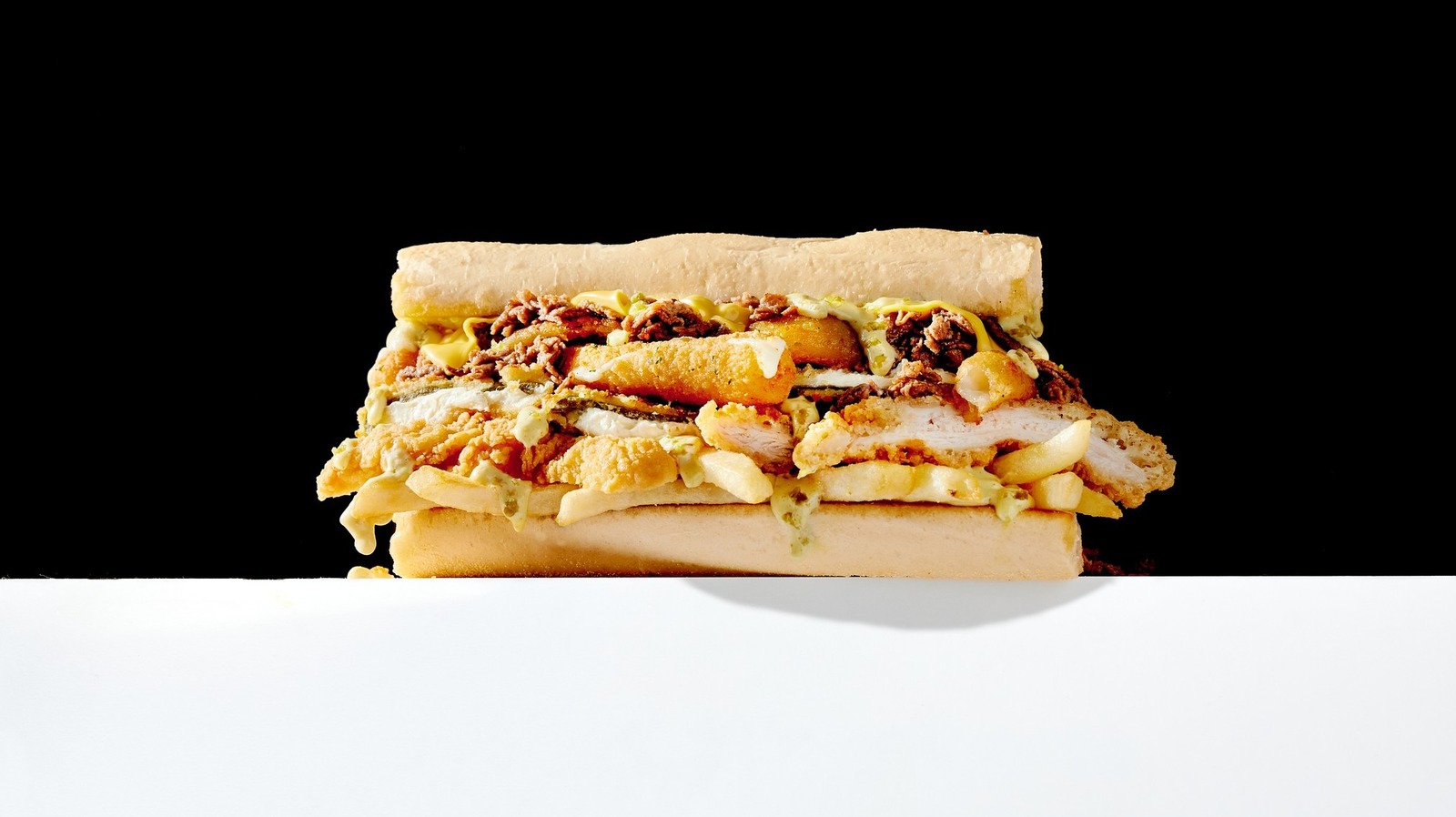
- Design a menu with a hook. Fat Shack’s fried candy bars and stuffed sandwiches created talk value instantly.
- Protect margins early. Track food cost daily and renegotiate suppliers once volume rises.
- Turn regulars into evangelists with late-night consistency and quick recovery when service slips.
And yes, ask yourself a blunt question: are you willing to live in the shop for the first six months? If not, adjust your timeline.
Sources of Trust in the Fat Shack Founder Story
I have followed this brand since its Shark Tank appearance, and the public record backs the milestones: poker-funded launch in Colorado, rapid franchise deals, and expansion past 30 stores. Local press in college towns and franchise filings corroborate the late-night positioning and menu choices. That trail matters when you weigh whether this playbook fits your market.
What Comes Next for Fat Shack
The next test is discipline. Keep the menu tight, push digital ordering after midnight, and defend margins as food costs rise. The founder learned to treat cash like tournament chips. That lesson stays relevant as competitors chase the same night crowd.
So where will the next unconventional bankroll come from?