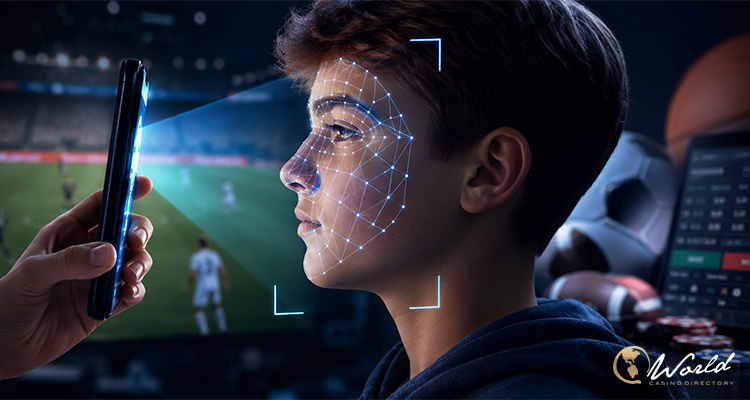
Congress Bill Targets Underage Gambling With Facial Recognition
Online gambling operators already juggle age checks, KYC rules, and fraud controls. Now a new facial recognition to prevent underage gambling proposal in Congress raises the stakes again. The idea is simple on paper. Use face matching to confirm a player is old enough before they can wager. The reality is messier. You have privacy concerns, false matches, data storage risks, and a big question about whether this tool would actually stop minors or just add another login step. Why does that matter now? Because lawmakers keep pushing harder on verification, and operators that ignore the shift could get caught flat-footed. Consumers will feel the pressure too, especially if more states or federal rules start treating biometric checks as normal.
What the bill is trying to do
- Block underage users before they place bets.
- Use biometric matching as part of identity verification.
- Push operators toward stronger age controls.
- Give regulators a clearer compliance standard.
The core idea behind facial recognition to prevent underage gambling is not complicated. A platform would compare a live image of the user with a verified identity record, then decide whether access should be granted. That could help close gaps left by document uploads, which are easy to fake or borrow. But no system is perfect. A teenager with access to an older sibling’s phone, a stolen ID, or a manipulated selfie can still create problems.
And that is the real tension here. Congress can write a rule, but operators still have to make it work in the wild.
“Age verification sounds neat until you run it at scale. Then you get false rejects, privacy complaints, and support tickets from angry users who cannot pass a selfie check.”
Why facial recognition to prevent underage gambling is controversial
Biometric checks sit in a sensitive spot. They promise stronger verification, but they also collect data that cannot be changed if it leaks. A password can be reset. A face cannot.
That is why privacy groups tend to push back fast. They worry about consent, retention periods, vendor access, and whether companies will keep face data longer than needed. Regulators in the U.S. and abroad have already shown interest in tighter rules around biometric data, so any gambling bill that touches facial recognition is going to face scrutiny.
There is also the fairness issue. Face systems can perform unevenly across lighting conditions, camera quality, skin tones, and age ranges. If a legitimate adult gets blocked because the system is sloppy, the operator owns that problem. If a minor slips through, the regulator owns a different one.
What operators may need to change
For sportsbooks, casinos, and gaming platforms, the likely impact is operational, not theoretical. If the bill advances, compliance teams may need to rethink onboarding, document review, and fraud detection together instead of treating them as separate lanes.
- Upgrade verification flow. A simple ID upload may no longer be enough.
- Review vendor contracts. Any biometric provider will need tight data handling terms.
- Set retention limits. Do not keep face data longer than needed.
- Prepare fallback options. Users will fail the first check. A lot.
- Train support teams. If you add friction, you need humans ready to explain it.
Think of it like building a stadium gate. You can add cameras, turnstiles, and guards, but if the entry flow is clumsy, people pile up at the entrance. The same thing happens online. Stronger controls can still create a bad user experience if they are bolted on without design work.
Could this actually reduce underage play?
Possibly, but only if the system is part of a broader verification stack. Facial recognition by itself will not solve underage gambling. It works best when paired with identity documents, device checks, payment signals, and behavioral flags.
Here is the thing. Minors do not always need to beat every control. They only need one weak gap. If an operator uses a weak age gate at sign-up and no ongoing monitoring, face matching may help. If the rest of the stack is already weak, the new tool will just fail faster.
What does that mean in practice? Better policy design, clear consent rules, and narrow data use. Without those, the bill could become a compliance burden that looks tough on paper and brittle in real life.
Facial recognition to prevent underage gambling and the next policy fight
The next fight will not be about the slogan. It will be about implementation. Who stores the data? How long? What counts as a match? What happens when the system is wrong? Those details decide whether the proposal becomes a real safeguard or another expensive layer of theater.
Operators should watch the bill text closely and test their current age verification setup now, before a mandate lands. The faster they find the weak spots, the less painful the fix will be. And if Congress keeps moving in this direction, one question will hang over the whole industry: will biometric checks protect minors without creating a new privacy mess?
We are about to find out.