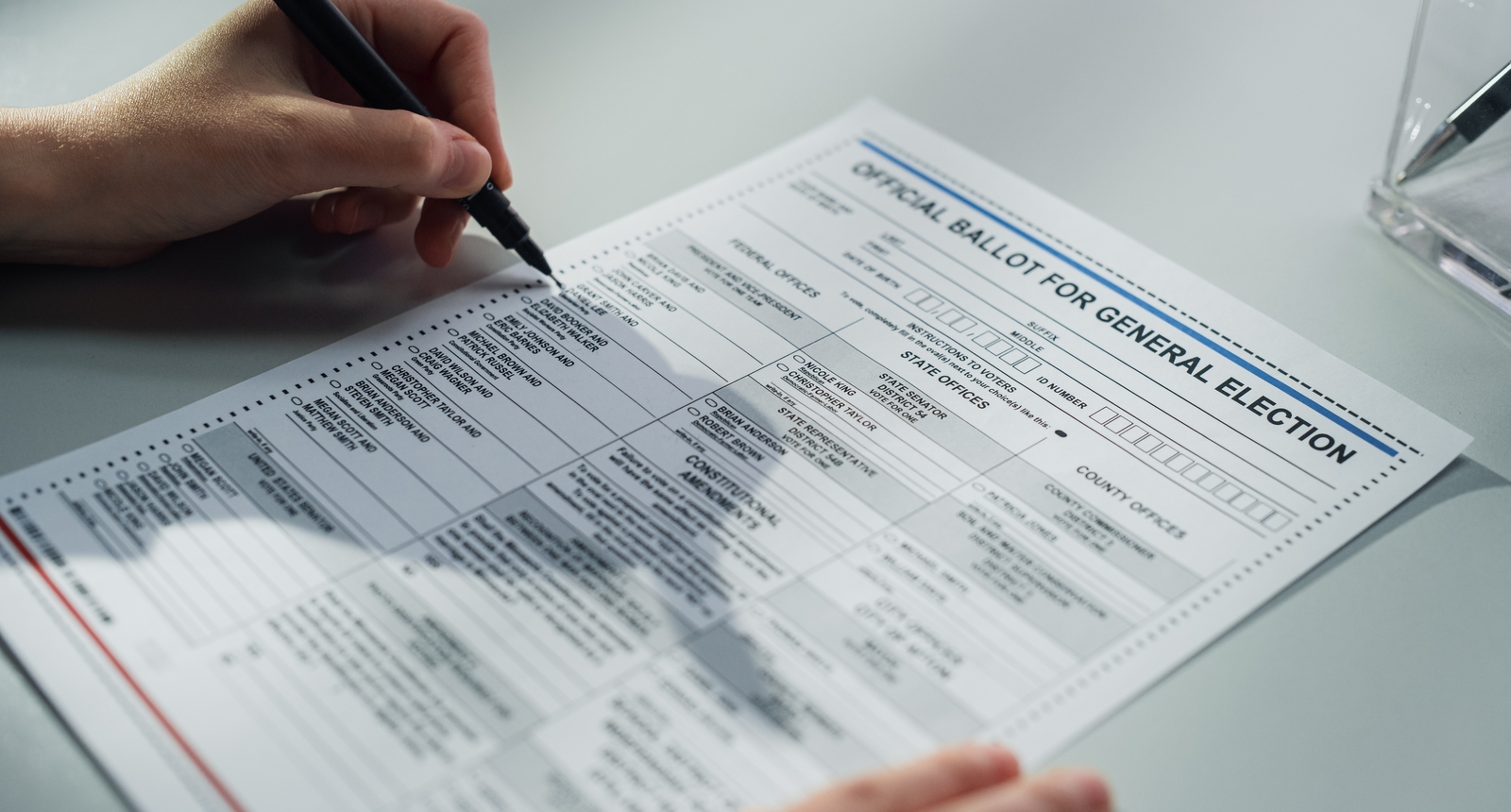
California Tribes Plot the 2028 Sports Betting Return
California voters rejected two sports wagering measures in 2022, and operators have stayed on the sidelines since. Now tribal leaders are sketching a 2028 comeback plan that could finally align sovereignty, consumer demand, and state revenue. The question is how to shape a ballot initiative that avoids the costly crossfire of last time. I spoke with tribal advocates, policy attorneys, and industry analysts to map the moves that matter. The core issue is whether California sports betting 2028 can land on terms tribes accept, while satisfying regulators and a wary electorate. The next four years set the table for a market worth billions, but only if stakeholders get the timing, funding, and messaging right.
What Changes Before California Sports Betting 2028?
Legislative math rarely shifts overnight, but demographics and voter fatigue do. By 2028, a larger slice of the electorate will have used legal apps in neighboring states, raising expectations for consumer protections at home. Tribes are monitoring two triggers: stable political support in Sacramento and clear revenue-sharing guardrails that respect compacts. Without both, money stays in the vault.
“We will not bankroll another knife fight,” one tribal policy lead told me. “Either the ballot language protects our exclusivity, or it waits.”
Look, operators learned in 2022 that deep pockets cannot bulldoze sovereignty. Tribes watched those campaigns like a chess coach studying a blunder.
Strategic Priorities for California Sports Betting 2028
- Unified language: Tribes aim to present one initiative, not dueling proposals.
- Funding discipline: Limiting spend until polling clears 55 percent support.
- Retail first: Launching on tribal lands before statewide mobile, to prove control and compliance.
- Regulator clarity: Early coordination with the California Gambling Control Commission to avoid late-stage rewrites.
- Public education: Framing consumer safety and addiction services as the centerpiece, not an afterthought.
One sentence sits alone for effect.
Tribal Leverage and Operator Reality
Why would commercial operators sign on after losing so loudly in 2022? Because California remains the last seismic hole on the sports betting map. Tribes hold leverage through exclusivity on casino-style gaming and the political capital built over decades. Operators want mobile skins, yet tribes can dictate pacing. Imagine an NFL coach calling runs to set up a late-game pass. That is how tribal coalitions view phased rollouts: establish retail, then layer mobile once compliance muscle is proven.
Revenue Splits and Compacts
Compact amendments will likely tie mobile access to tribal server location and auditing rights. Analysts I trust suggest a revenue share closer to New York’s high tax rate than Arizona’s lighter touch. Will lawmakers accept that? They might if earmarks fund homelessness programs and responsible gambling services in visible ways. The optics matter more than the marginal rate.
Messaging: Lessons From the 2022 Flameout
Voters recoiled at the toxic ads of 2022. Tribes will keep the tone calmer and more local. Expect campaigns to highlight community projects financed by gaming dollars. Think Little League fields and clinic upgrades, not generic promises. Voters respond to receipts.
Here is the thing: a rhetorical question belongs here. Who trusts a billion-dollar ad blitz that cannot point to one audited program?
Opponents will still warn about addiction and underage play. Tribes can counter with real program spend and partnerships with accredited treatment providers. Data beats fear every time.
Main Obstacles Between Now and 2028
The first hurdle is political bandwidth. California will juggle budget gaps, climate policy, and housing crises. Sports betting ranks lower unless tied to clear fiscal relief. The second hurdle is legal precision. Any drafting slip that threatens tribal exclusivity will spark lawsuits and delays. The third hurdle is voter trust after 2022 fatigue. Shorter, clearer ballots help.
And if the economy dips, will voters back a new gambling expansion? That uncertainty keeps war chests closed for now.
How Tribes Can Win California Sports Betting 2028
- Commission fresh polling in 2025 to set messaging pillars.
- Release a draft initiative early and invite narrow feedback from regulators and addiction experts.
- Stage pilot responsible gambling programs with public reporting to build credibility.
- Pre-negotiate tax and enforcement terms to avoid last-minute legislative surprises.
- Line up a bipartisan roster of local officials who can speak to community benefits.
Done right, the ballot fight feels less like a heavyweight brawl and more like a well-coached drive down the field.
Operator Plays: What DraftKings and FanDuel Must Accept
Top books may need to settle for revenue-sharing partnerships under tribal brands. White-label tech deals, geofenced servers on tribal lands, and strict ad codes could be the price of admission. Is that too restrictive? Maybe. But sitting out California again would sting more. Operators should also temper promo spend. The 2022 burn rate made voters skeptical of “free bet” claims.
Compliance and Enforcement
Regulators will insist on clear penalties for unlicensed offshore sites and tools to block illegal payment flows. Tribes favor that stance because it protects legitimate revenue. Technical standards will mirror established markets: independent lab testing, geolocation audits, and real-time suspicious activity monitoring. Think of it like building a stadium: you pour the concrete before selling tickets.
What to Watch in 2026 and 2027
Watch for early signature gathering. If tribes launch in mid-2026, momentum is real. Also watch for operator restraint. If they stay quiet, it signals back-channel negotiations are productive. Any public split between major tribes would be the red flag that 2028 slips.
Final Take: California Sports Betting 2028 or Bust
I have covered enough ballot wars to know timing beats bravado. California sports betting 2028 is the tribes’ clock to manage, and they know it. If they hold unity, offer visible community benefits, and keep the message sharp, the state finally gets a legal market. If the coalition fractures, voters will sense it and walk away again. Which way will they go? The next two years decide.