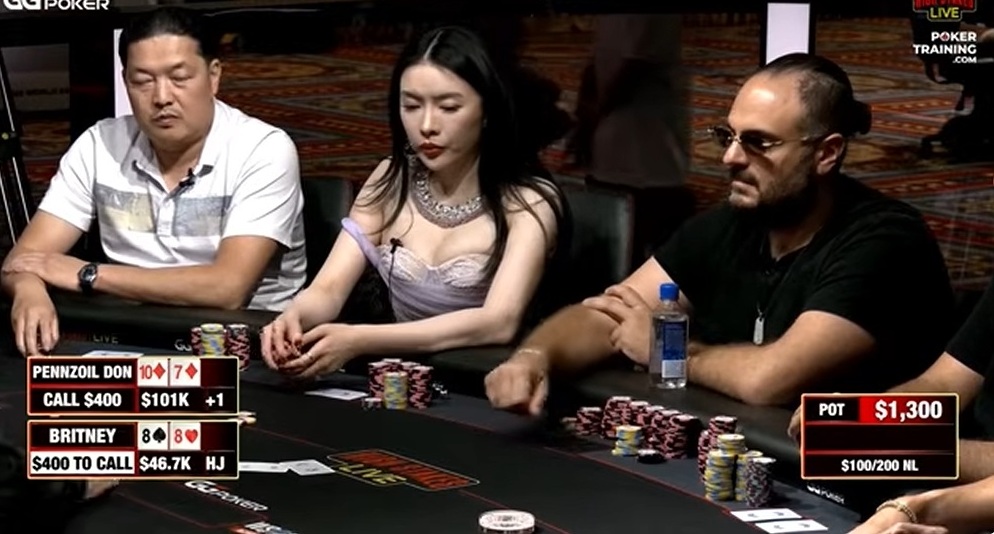
Britney Jing Removed from WSOP Cash Game Live Stream
Live poker looks polished on screen, but the second a table argument starts, the whole production can tilt. That is why the Britney Jing removal from the World Series of Poker cash game live stream matters beyond one tense hand. It raises a blunt question for event teams, stream operators, and players alike. How much control should a broadcast have when the action gets messy in real time?
This was not a technical glitch or a harmless broadcast hiccup. It was a reminder that live poker is part game, part performance, and part workplace. When those roles collide, the room can turn fast. And if you work in poker media or run a streamed event, you need a plan before the pressure hits.
What stands out about the Britney Jing removal
- The incident happened on a live poker stream, which means every reaction carried extra weight.
- Broadcast poker is fragile because one dispute can change the tone of the entire show.
- Table conduct rules matter, especially when cameras and commentary are involved.
- The audience sees the result, but not always the full chain of decisions behind it.
- Event staff need clear authority before a disagreement turns into a public mess.
Why live stream poker gets tense so quickly
Live poker is not like a recorded interview or a scripted sports segment. There is no clean reset button. Players are managing chips, money, nerves, and public scrutiny at the same time. That mix can be volatile, especially in a cash game where every pot carries direct financial pressure.
On a stream, the pressure doubles. Players know the cameras are on them. Commentators are reading the room. Viewers are clipping the most dramatic moments. That is a lot to carry while trying to make a decision under time pressure.
Live poker broadcasts run on trust. Once that trust cracks, the audience starts watching the drama more than the game.
Look, this is why production crews need more than a good graphics package. They need rules that the players understand before cards go in the air. If a dispute breaks out, who speaks first? Who has final say? What behavior crosses the line?
What the Britney Jing removal tells event teams
The biggest lesson is simple. Do not improvise discipline in front of a live audience. That looks shaky, and shaky is expensive.
- Set conduct rules in writing. Players should know what counts as disruption, abuse, or refusal to follow staff instructions.
- Brief the production crew. Camera operators and commentators need to know when to stay quiet and when to cut away.
- Give floor staff clear authority. If a player has to be removed, the decision should not depend on who speaks loudest.
- Prepare a public-facing response. A short, factual statement is better than speculation or silence that lasts for hours.
Think of it like a stage play with a bad improv scene. If the cast has no cue sheet, the whole performance starts to wobble. The audience notices the wobble first.
Why this matters for poker media
Broadcast teams often sell the stream on personality. That works until personality becomes a problem. Then the brand is stuck choosing between drama and credibility. Which one do you want viewers to remember?
For poker media, the line is not complicated. The stream can show conflict, but it should not reward chaos. If a player becomes a repeated source of disruption, the event has to protect the table, the crew, and the rest of the lineup. Otherwise, everyone else pays for one person’s behavior.
How viewers should read moments like this
Fans often jump straight to blame. That is understandable, but it can flatten a messy situation into a simple villain story. In live poker, there are usually multiple moving parts, including table etiquette, house rules, and the pressure of being watched.
Britney Jing’s removal will likely be discussed through clips and secondhand accounts for a while. That is how these things go. But the larger issue is not one player alone. It is whether poker broadcasts are prepared to handle conflict without turning the show into a public free-for-all.
That is the real test.
What happens next for streamed poker events
Event organizers should treat this as a practical stress test, not a one-off headline. The next live stream will face its own dispute, its own bad beat, its own personality clash. And when that happens, the room will either look professional or it will not.
My read is blunt. The streams that last are the ones that draw hard boundaries and stick to them. Not because they are joyless, but because live poker without structure turns into noise. Nobody tunes in for that.
So the next time a high-profile cash game hits the air, ask the obvious question: does the production have a real plan for conflict, or is it just hoping everyone behaves?