Brazil World Cup Betting Boom and the AI Shift in LATAM
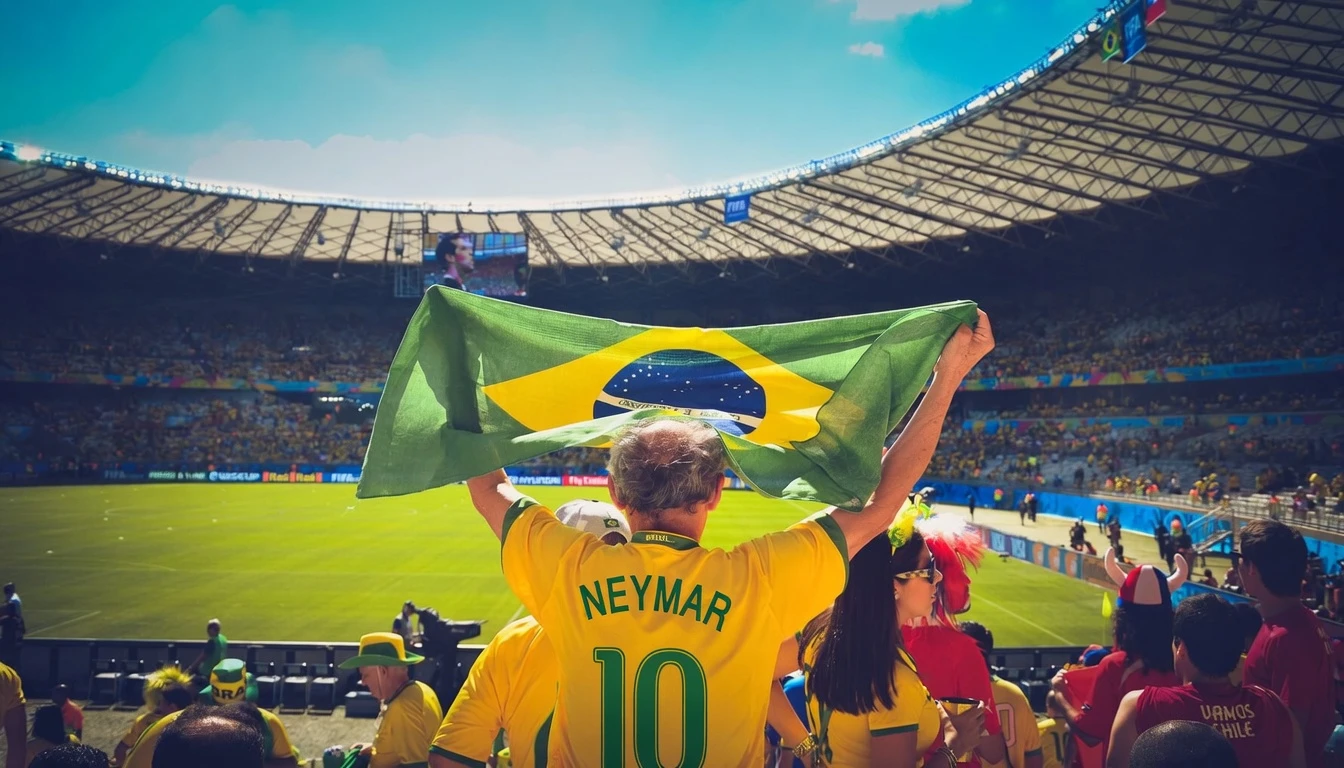
If you run or track sportsbook growth in Latin America, one question matters right now: how do you handle sharp spikes in demand without wrecking margins or the player experience? The Brazil World Cup betting boom puts that problem front and center. Big tournaments bring huge traffic, fast-moving odds, and intense pressure on trading teams, payments, compliance, and customer support. They also expose weak tech stacks in a hurry.
That is why operators and suppliers in LATAM are putting more focus on AI-led trading tools, personalization, and automation. The hype can get silly. But the underlying shift is real. Brazil remains the region’s biggest prize, and global events like the World Cup act like a stress test for every part of the betting operation.
What stands out
- Brazil World Cup betting boom creates massive short-term demand, but it also reveals long-term tech gaps.
- AI is being used most heavily in pricing support, risk management, CRM, and player retention.
- LATAM operators need local execution, not generic global playbooks.
- Suppliers such as Kambi see tournament peaks as a proving ground for sportsbook technology.
Why the Brazil World Cup betting boom matters
World Cup betting volume is not new. What has changed is the structure of the LATAM market, especially in Brazil. Regulation is moving forward, competition is rising, and more brands now need systems that can handle both scale and local nuance. That means better odds management, tighter fraud controls, and faster product decisions.
Look, tournament traffic is a bit like a stadium crowd leaving through too few exits. If the plumbing underneath your operation is weak, bottlenecks show up fast. Customers see delays. Traders see risk. Marketing teams burn budget on players they cannot keep.
And that is the real point. A World Cup surge is not only about one event. It shows which operators can turn attention into durable revenue.
How AI fits into the LATAM sportsbook stack
AI gets thrown around far too loosely, so it helps to strip this back to actual use cases. In sportsbook operations, AI usually means systems that help teams process more data, react faster, and make better predictions. It does not replace trading expertise overnight. But it can make a good team much sharper.
1. Trading and odds support
During a major football event, odds move fast and betting patterns shift by the minute. AI-supported models can flag odd behavior, identify pricing risk, and help traders respond before exposure gets ugly. For operators with lean teams, that matters.
Major events do not forgive slow decision-making. The operators with faster data loops usually keep more of the upside.
2. Risk and fraud monitoring
Volume attracts bad actors. So do bonus campaigns and payment spikes. AI tools can help spot account abuse, suspicious wagering patterns, and payment anomalies across large user bases. That does not remove the need for human review. It simply gives risk teams a better filter.
3. CRM and retention
Retention is where the economics get serious. A World Cup can bring a flood of first-time or casual bettors, but many will disappear after the final unless the product gives them a reason to stay. AI can support segmentation, offer timing, bet recommendations, and user messaging based on behavior rather than guesswork.
One event is not a business model.
4. Personalization at scale
Brazil is not a single user profile, and LATAM is certainly not one market. Preferences vary by sport, payment method, device, and betting style. Personalization engines can help operators show the right markets and promotions to the right users (which sounds basic, but many brands still miss it badly).
What Kambi’s view signals for the market
The source reporting from iGaming Business points to Kambi’s take on how AI and technology will shape the LATAM opportunity around major football events. That matters because Kambi sits close to the operational core. Suppliers at that level see where operators struggle at scale, and they tend to notice patterns early.
Honestly, the most useful signal here is not that AI exists. Everyone says that now. The useful signal is that sportsbook suppliers are talking about AI in the context of practical pressure points like event-driven demand, local market growth, and operational efficiency. That is a more grounded conversation.
It also suggests a simple truth. The winners in Brazil will not be the loudest brands. They will be the ones with systems that stay steady when betting interest spikes.
Where operators in LATAM still get caught out
Even strong brands can stumble when they copy strategies from Europe without adapting them for Brazil or the wider region. Local market structure matters. Payment behavior matters. Device habits matter. So does the sports calendar outside the World Cup.
- Overreliance on acquisition. Tournament traffic looks great in dashboards, but weak retention turns that surge into expensive churn.
- Thin localization. Translation is not localization. Market selection, payments, support flow, and promotion logic all need local tuning.
- Fragmented tech. If CRM, trading, payments, and compliance tools barely talk to each other, AI outputs will be less useful.
- Slow decision cycles. Major events punish teams that cannot adjust quickly across trading, marketing, and risk.
Brazil World Cup betting boom and the retention test
The smartest operators treat the Brazil World Cup betting boom as an acquisition window and a retention exam. That changes how they budget and how they measure success. Instead of chasing raw sign-up volume, they look at cohort quality, repeat activity, deposit behavior, and post-event engagement.
What should you watch most closely?
- Conversion from first bet to second and third bet
- Share of users active after the tournament
- Promo cost versus retained value
- Live betting engagement during peak matches
- Risk exposure by segment and event
This is where AI can earn its keep. If a system helps identify which users are likely to stay, lapse, or abuse offers, operators can spend with more discipline.
What happens next in LATAM sportsbook tech
Expect more pressure on suppliers and operators to prove that AI claims lead to measurable results. That could mean stronger pricing performance, cleaner risk controls, higher retention, or lower manual workload. Vague promises will wear thin fast.
Brazil should remain the center of gravity, but the broader LATAM market will keep pushing operators to balance scale with local specificity. That is a hard mix. Think of it like building for a cup final while also planning for a full league season. You need speed for the big day and structure for the months after.
The real question after the tournament
The big surge is useful. The hangover tells you more.
After the noise fades, operators will have to answer a blunt question: did the World Cup bring durable customers, or just temporary traffic? The brands that pair strong local execution with smart automation should have the better answer. Everyone else may find that event volume is easy to celebrate and much harder to keep.