Brazil’s Online Gambling Ban Debate: What Comes Next
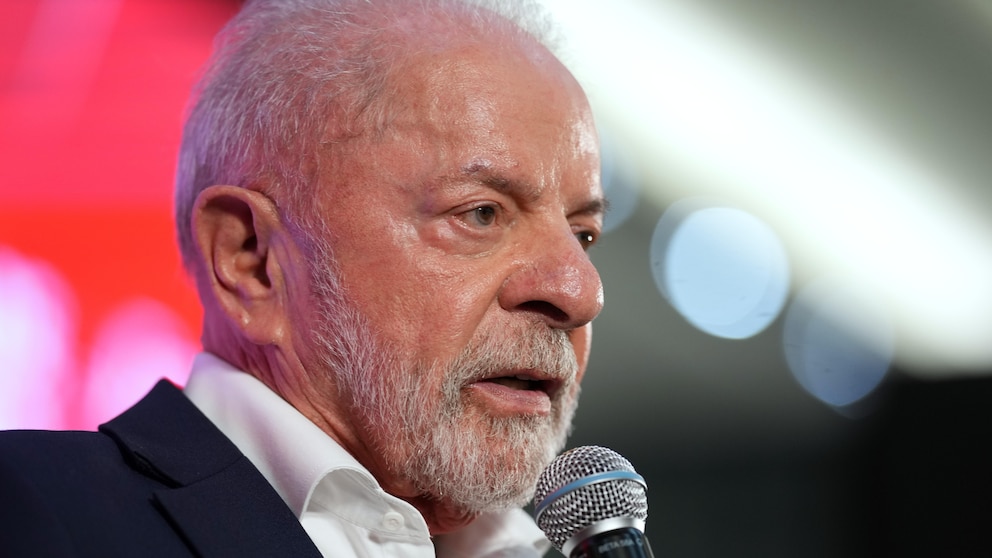
Brazilian bettors finally saw Brasília move on regulation, yet President Luiz Inácio Lula da Silva just told reporters he wishes he could ban online gambling outright. That clash puts your roadmap at risk today, not years from now. The administration is eyeing money laundering and fraud while the betting sector points to tax revenue and player protections. If the mainKeyword is Brazil online gambling ban, what practical steps should you take as the rules still settle? Look, this is a fast shift that could reshape your licensing, marketing, and compliance budgets in a single vote.
What to watch right now
- Presidential stance: Lula publicly said he would ban online gambling if he had the votes.
- Legislative reality: Congress passed Law 14,790 to regulate fixed-odds betting, but secondary rules remain fluid.
- Tax exposure: Draft rules include GGR levies plus operator fees that could squeeze margins.
- Compliance load: KYC and anti-fraud checks will tighten, with payment routing under scrutiny.
- Timing risk: Regulatory decrees can change quickly, so contingency planning matters.
Brazil online gambling ban realities
The president’s remark signals political cover for stricter enforcement, even if a full ban is unlikely in the short term. Congress already backed regulated fixed-odds betting to capture tax revenue, so scrapping the model would burn political capital. And can Congress push ahead when the president hints at a veto?
The stakes for operators are higher than last year.
“If I had the power, I would ban online gambling,” Lula said, framing it as a gateway for fraud and money laundering.
That line gives regulators room to harden payment controls. Think of it like tightening the screws on a bicycle: no one tosses the bike, but every bolt now matters. Expect closer checks on bank transfers, prepaid cards, and digital wallets.
Paths around a Brazil online gambling ban
- Front-load compliance. Map your KYC, AML, and affordability checks to current Brazilian banking rules, then add headroom for stricter ID verification.
- Model tax outcomes. Run scenarios for GGR taxes, licensing fees, and potential advertising caps. A small shift in rate assumptions can flip margins.
- Localize payments. Use payment partners with strong anti-fraud tooling and local rails (think PIX) to stay in regulators’ good graces.
- Lobby with data. Show job creation and channelization figures. Legislators respond to concrete numbers, not vague promises.
- Prepare a blackout plan. Draft messaging, customer funds protocols, and tech toggles in case of sudden restrictions.
Risk signals to monitor
Watch for executive decrees that tweak tax rates or licensing timelines. Track Central Bank advisories on suspicious transaction monitoring. If media coverage starts framing betting as a moral panic, ad spending may be the first lever pulled. This is like cooking on low heat: slow shifts still change the flavor.
How to communicate with players
Be direct about responsible gambling tools and fund safety. Avoid hype. Players want clarity on withdrawals and support channels, not marketing slogans. A single-sentence FAQ update can calm nerves. But do you have the copy ready?
Where the Brazil online gambling ban talk goes next
Lula’s wish may never become law, yet it will shape the tone of enforcement. Operators who act as if scrutiny is a given will be better positioned if new decrees land. Regulators move faster when they sense public backing, so stay close to industry councils and consumer groups to keep the conversation balanced. Next step: run your compliance gap analysis this week and share the findings with your legal team.