Best Foods for Muscle Recovery: A No-Nonsense Game Plan
You finish a hard session and want your muscles ready for tomorrow, not two days from now. The best foods for muscle recovery make that happen by replacing glycogen, repairing tissue, and calming inflammation. I have covered sports nutrition for years, and the same truth holds: you need quick carbs, quality protein, and smart fats right after the workout and through the day. That matters now because training loads are high, stress runs hot, and injuries flare when fuel runs low. Skip the sugar crash and the vague advice. Here is what to put on your plate, when to eat it, and why it works.
Recovery Snapshot
- Pair fast carbs with 20–30 grams of protein within 60 minutes post-workout.
- Use omega-3 sources to cool joint soreness and reduce swelling.
- Hydrate with electrolytes after long or sweaty sessions.
- Plan evening protein to support overnight repair.
Why Best Foods for Muscle Recovery Start With Carbs and Protein
Think of your muscles like a race car coming off the track. The pit crew tops off fuel and swaps tires fast, not later. Simple carbs such as fruit, rice, or a whole-grain bagel refill glycogen so your next session starts with a full tank. Pair them with protein to rebuild fibers.
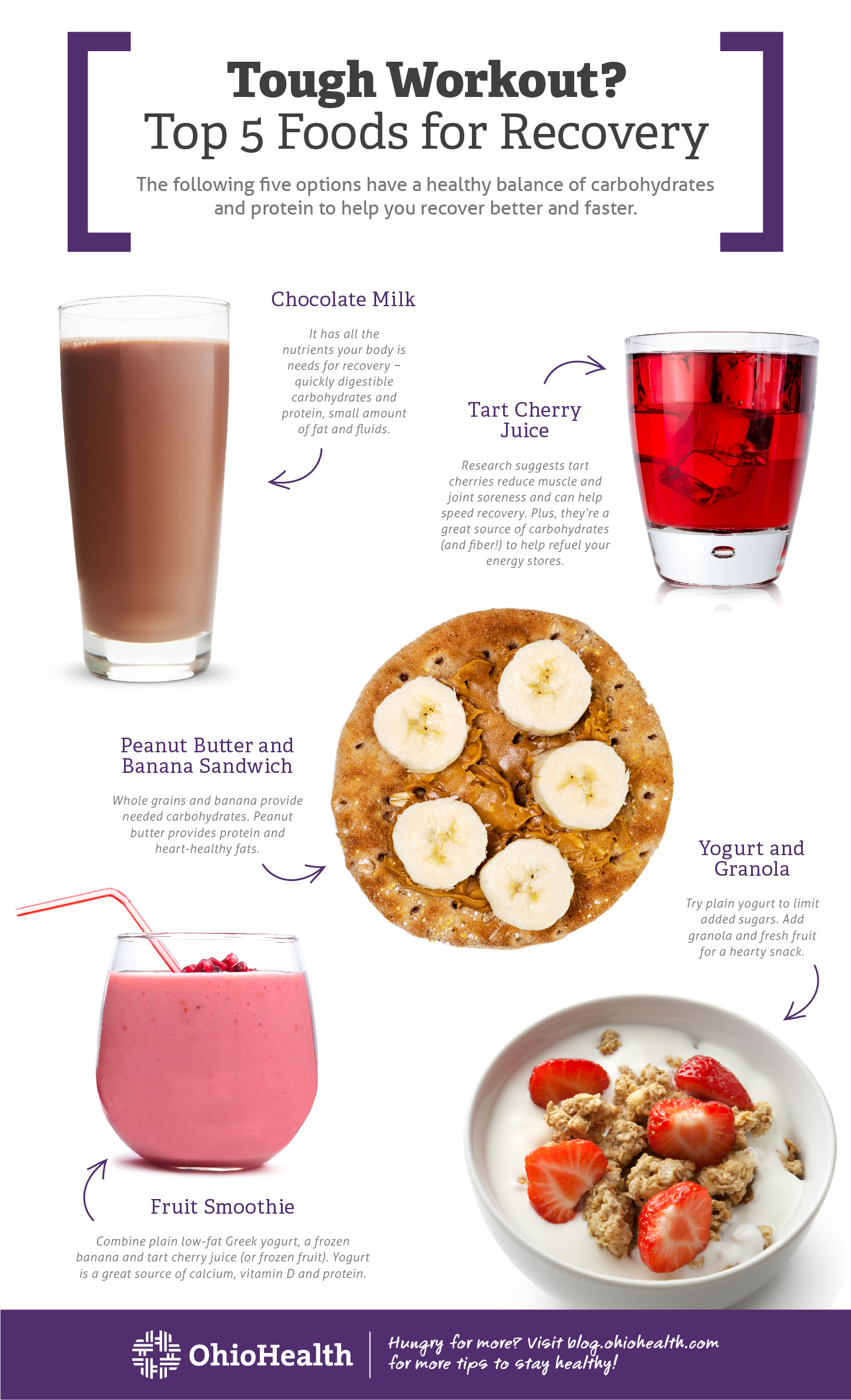
Pro tip: Aim for 0.25 to 0.3 grams of protein per kilogram of body weight right after training, with at least an equal gram amount of carbs. Chocolate milk, Greek yogurt with berries, or a turkey sandwich all fit.
“Protein timing matters, but total daily protein matters more,” says a registered dietitian I trust. “Hit both and soreness drops.”
Best Foods for Muscle Recovery That Fight Inflammation
Omega-3 rich picks like salmon, trout, sardines, or even algae oil reduce muscle tenderness. Pair them with colorful produce. Berries, tart cherries, spinach, and peppers supply antioxidants that tamp down oxidative stress without blunting gains.
Recovery is fuel, not decoration.
Want a plant option? Try edamame with brown rice and a side of roasted Brussels sprouts. It is like balancing a budget in finance: inputs and outputs must match, or the system breaks.
Hydration and Electrolytes Keep Repair on Track
Dehydration slows protein synthesis, so you fix less muscle. Weigh yourself before and after long sessions to estimate sweat loss, then replace each lost pound with 16–24 ounces of fluid plus sodium. Coconut water with a pinch of salt works. Sports drinks are fine on long runs or rides. On short lifts, water plus a salty snack is enough.
Smart Timing Through the Day
- Post-workout: carb plus protein within an hour.
- Midday: balanced meal with lean protein, whole grains, and vegetables.
- Evening: 20–40 grams of slow-digesting protein (casein from cottage cheese is a winner) to feed overnight repair.
Best Foods for Muscle Recovery on a Budget
Look, wild salmon is great, but canned tuna, eggs, beans, and frozen berries deliver the goods without wrecking your wallet. Add oats, potatoes, and peanut butter for cheap carbs and fats. Are supplements required? Only if you miss targets with food. Whey or soy isolate helps, but it is not magic.
Why gamble with tomorrow’s training when simple shopping can lock in gains?
Common Mistakes That Slow Muscle Recovery
- Skipping carbs because you fear weight gain.
- Relying only on protein shakes and ignoring whole foods.
- Undershooting fluids after hot sessions.
- Waiting until dinner to eat real protein.
And if you train twice a day, double down on timing. Eat a carb-heavy snack between sessions so the second effort is not a slog.
Moving Forward With a Solid Recovery Plate
You do not need exotic powders. You need a repeatable plan that respects workload and budget. Build meals around carbs for fuel, protein for repair, and omega-3s for calm joints. Keep fluids steady. Then watch how much better the next workout feels. Ready to test it this week?