Banijay Gaming Bets Big on France with JOA Deal
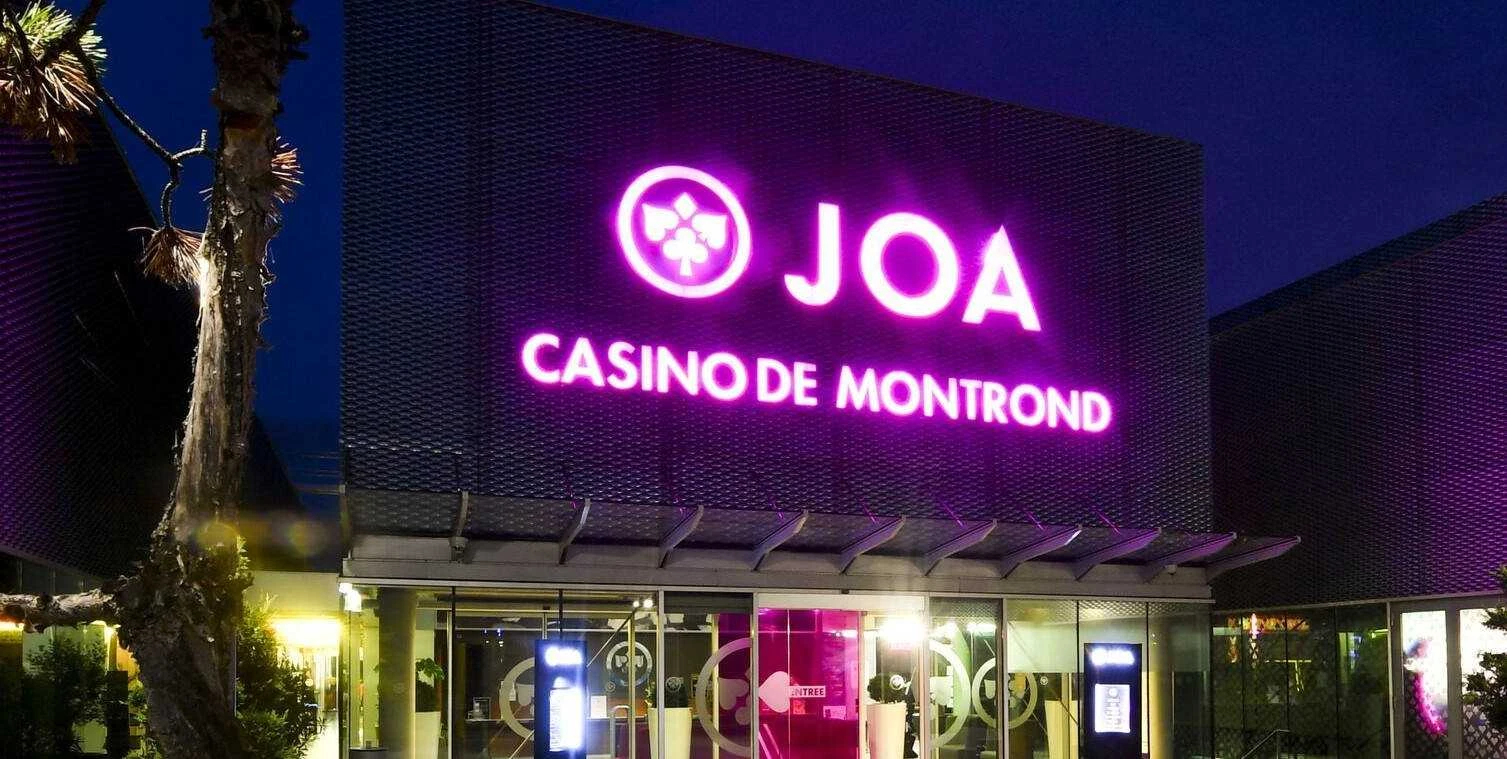
Banijay Gaming has made a clean, strategic move in France, and it says a lot about where the market is heading. The JOA deal gives the group a stronger position in a tightly controlled gambling market where land-based assets, brand trust, and local know-how still carry real weight. If you work in gaming, betting, or regulation, this matters because France does not reward sloppy expansion. It rewards patience, structure, and a sharp read on the rules. And that makes this deal worth a close look.
For operators, the message is plain. Growth in regulated markets often looks less like a sprint and more like a chess match. Who already has the licences? Who has the customer base? Who can move across channels without tripping over compliance? Banijay Gaming’s latest step is a reminder that the old pieces on the board still matter.
What the JOA deal changes for Banijay Gaming
- It deepens Banijay Gaming’s presence in France. That gives the group more local scale in a market that is hard to enter quickly.
- It strengthens the land-based side of the business. Physical venues still matter for brand visibility and customer loyalty.
- It supports a broader omnichannel strategy. Retail and digital can feed each other if the execution is disciplined.
- It signals confidence in regulated European markets. France remains complex, but it is also attractive to operators that can handle the rules.
Why France is still a hard market to crack
France is not a free-for-all. The market is shaped by strict oversight, local competition, and a regulatory culture that tends to move with caution. That creates friction for fast-growth operators, but it also creates a moat for companies that already understand the terrain.
Banijay Gaming is not walking into a blank slate. It is entering a market where customer acquisition costs can bite, product rules can be tight, and brand credibility matters. That is why a deal like JOA is more than a headline. It is infrastructure.
“In regulated gambling, speed helps, but permission matters more.”
How the JOA deal fits the larger Banijay Gaming plan
Look, this is not just about buying reach. It is about building a platform that can support future moves in sports betting, gaming, and cross-channel entertainment. Banijay has spent years building a broader entertainment footprint, and that gives it an edge few pure-play betting firms can match.
Think of it like opening a restaurant chain in a city where the best locations are already taken. You do not win by shouting louder. You win by taking the right site, earning trust, and making the operation work night after night. That is the logic here.
Three practical advantages Banijay gets from the deal
- Local market access. JOA brings established assets and a presence that would take years to build from scratch.
- Operational depth. Existing teams, systems, and relationships reduce execution risk.
- Cross-sell potential. A stronger retail base can support digital engagement if product and CRM are handled well.
What operators should learn from this move
The industry loves to talk about digital scale, but this deal is a reminder that physical assets still have strategic value. In markets with strict regulation, retail venues can do more than generate revenue. They can anchor the brand, support acquisition, and create a defensible position.
That said, ownership alone is not enough. If Banijay Gaming wants this to pay off, it will need clean integration, sensible compliance work, and a clear view of how JOA fits its broader commercial model. Deals fail when companies treat local expertise like a box to tick. They succeed when they protect it.
What happens next will depend on execution, not press release language. Can Banijay turn a French foothold into a durable growth engine? That is the real question. And it is the one the rest of the market should be asking too.
What to watch next in Banijay Gaming and France
The next test is how the company uses the asset, not just how it presents it. Watch for changes in product mix, marketing focus, and any signs that Banijay Gaming is building a more connected retail-to-digital strategy in France.
If the integration is sharp, this could become a template for other regulated markets. If not, it will still be a useful lesson. In this business, the difference between a smart acquisition and an expensive distraction is often just one bad operational decision.
So the real story is not whether Banijay Gaming can buy into France. It is whether it can turn that purchase into leverage. That is where the market starts separating adults from tourists.