Bally’s Chicago Casino Construction: Why April 2026 Is a Moving Target
Chicago finally signed off on a downtown casino, yet the Bally’s Chicago casino construction clock now ticks louder than the roulette wheel. City leaders want a permanent site that starts throwing off tax revenue by April 2026, but zoning hurdles, financing questions, and neighborhood pushback keep slipping into the schedule. If you count on those funds for pensions or you run a competing venue, you need to know how fragile that date looks and what could shift it. The Bally’s Chicago casino construction story is about more than cranes and concrete. It’s about whether political promises can outrun real-world permitting, design complexity, and public patience.
What to Watch Next
- Zoning approvals still sit on a knife edge, with design revisions in play.
- Financing costs rise as rates stay elevated, squeezing project returns.
- Temporary Medinah Temple performance will shape public sentiment and revenue forecasts.
- Labor availability and supply chain pricing could push the April 2026 opening.
Where Bally’s Chicago casino construction stands now
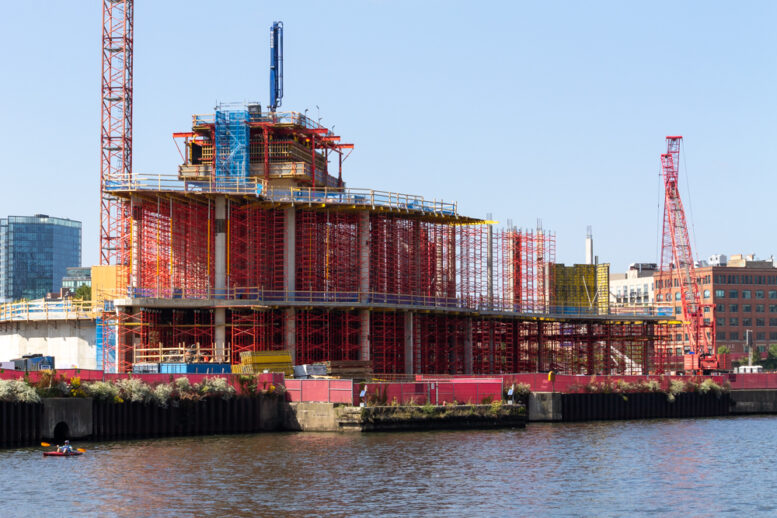
The permanent site at the Chicago Tribune printing plant needs fresh approvals after feedback on traffic, lighting, and design. Bally’s promised an April 2026 opening to keep pension relief on track, but construction sequencing depends on final permits and infrastructure work along the river. The temporary casino at Medinah Temple has been a useful bridge, yet its performance also sets expectations for the permanent build.
One sentence that stands alone.
The city wants steady tax receipts from slots and table games, so every month of delay matters. A veteran builder compared the timeline to a marathon where the last miles are uphill—accurate for a riverfront project that must juggle utility moves, environmental checks, and neighborhood access.
Chicago signed a deal for speed, but construction moves at the pace of permits and steel deliveries.
Risks that could derail the April 2026 target
Financing risk sits at the top. Higher interest rates raise carrying costs, and lenders now scrutinize casino demand forecasts more aggressively. Even a small redesign to address traffic can ripple through budgets and timelines. Labor is the next swing factor. Chicago’s pipeline includes data centers, apartments, and transit upgrades, so skilled crews may be stretched. Supply chain volatility hasn’t vanished either. A single delayed chiller or steel batch can stall whole floors. Do you see how one late component can snowball into weeks of lost time?
Political risk lingers too. Aldermen face residents worried about congestion and policing. If new conditions land late in the process, contractors must rework plans, burning time and money. For Bally’s, that means keeping contingency funds and float in the schedule instead of betting on a perfect run.
What the temporary Medinah site signals
The Medinah Temple venue acts like a scrimmage before the real game. Early revenue gives the city data on patron mix, peak hours, and security needs. It also shows lenders whether demand holds up outside a permanent footprint. If the temporary site underperforms, expect tighter financing terms and a harder look at capital allocations for the main build. Think of it like a chef testing a menu before opening a flagship restaurant—the feedback loop is invaluable.
On the upside, the temporary site has already trained staff, refined surveillance workflows, and flagged operational quirks. That knowledge can shave weeks off commissioning in the permanent venue, assuming teams document and apply the lessons.
Practical steps for stakeholders
- Demand transparent schedules: Ask for monthly critical-path updates and slippage reports tied to the April 2026 milestone.
- Pressure-test financing: Model debt service under higher-rate scenarios and confirm contingency reserves cover supply and labor shocks.
- Lock in materials early: Pre-purchase long-lead items like chillers and structural steel to cap price risk.
- Coordinate with the city: Align utility relocations and traffic mitigation plans now to avoid late-stage redesigns.
- Track Medinah performance: Use real revenue and security data to calibrate floor mix and staffing for the permanent build.
These steps turn a vague promise into measurable checkpoints.
Will April 2026 stick?
Deadlines in construction often move, yet April 2026 carries political weight. If Bally’s nails permits by year end and locks materials before another rate hike, the target stays plausible. Miss those beats and the date drifts. In sports terms, the project is in the third quarter with a slim lead; disciplined play keeps the score, sloppy penalties hand momentum to opponents.
And if the opening slides a quarter? Pension math changes, competitors gain breathing room, and community goodwill thins. The smart money keeps a close watch on zoning calendars and procurement orders rather than press releases.
Looking ahead
I expect a tighter, phased opening with core gaming ready first and amenities following. That approach banks revenue while finishing touches continue, buying time without losing face. The bigger question is simple: will the city and Bally’s prioritize speed or durability in the final stretch? Choose durability and April 2026 might flex. Choose speed and expect a leaner launch that gets cash flowing while crews keep working.